Spacious homes with different types of flooring
For a mix of hard floors, rugs and carpet, check the suction performance on each surface, the floor head supplied and the reach you’ll need to move from room to room.


For a thorough clean of different types of flooring, rugs and soft furnishings, a cylinder vacuum is a good option if its brushes and attachments are suited to the surfaces in your home. Que Choisir says bagged models expose you to less dust when disposing of the contents. A bagless model saves you buying bags, but you’ll need to empty the bin and maintain its filters. A stick vacuum or robot can make frequent cleans easier, but won’t necessarily replace manual cleaning of furniture, rugs and awkward corners.
A cylinder vacuum is worth considering if your cleaning involves more than just clear floors, and attachments matter just as much as the main floor head.
For a mix of hard floors, rugs and carpet, check the suction performance on each surface, the floor head supplied and the reach you’ll need to move from room to room.
For sofas, bedding, skirting boards and narrow spaces, check whether it comes with an upholstery tool, a crevice tool and, if your needs call for it, a mini turbo brush.
A suitable pet-hair brush and the way dust is disposed of can influence your choice. Check the attachments included with the version you’re buying, whether it has a bag or bin, and how to maintain the filters.
First decide how you want to deal with dust, then compare each model against your flooring, soft furnishings and the layout of your home.
Consider it if: you do longer cleaning sessions and want to minimise contact with dust when disposing of it.
The trade-off: you’ll need to replace the bags and check which type is compatible with your chosen model.
Consider it if: you’d prefer a reusable bin and don’t mind emptying it after use.
The trade-off: you’ll still need to empty and maintain the bin and filters. Que Choisir notes that bagless models expose you to more dust than bagged ones.
Consider it if: you want to do quick cleans with a stick vacuum, or have a robot keep your floors clean between more thorough cleans.
Bear in mind: these uses don’t mean the model you choose will also clean the rugs, soft furnishings and awkward corners you need to tackle.
| What to consider | What to check | What I need |
|---|---|---|
| Performance on different floors | Compare tests carried out on the same types of flooring: wood, tiles, rugs or carpet. Check which floor head is included rather than judging suction from the motor’s wattage alone. | I move between hard floors and rugs, and want to know how the vacuum performs on each. Que Choisir assesses these surfaces separately in its tests. |
| Soft furnishings and awkward corners | Check the exact list of attachments: an upholstery tool, a crevice tool and, if needed, a mini turbo brush. | Sofas, bedding or pet hair are part of my cleaning routine; a floor brush alone won’t cover these needs. |
| Bag, bin and filters | Check the capacity, how to empty it and the filter maintenance instructions. For a bagged model, note the reference number of compatible bags. | I’d prefer to minimise contact with dust, or I’m happy to empty a bin regularly to avoid buying bags. Que Choisir’s guide compares these two dust collection methods, including the level of dust exposure. |
| Moving it around and noise | Check the operating radius, weight and how easy the floor head is to manoeuvre around your home. Compare noise levels in dB(A) only if they were measured under comparable conditions. | If I have several rooms or stairs, I want to avoid frequently changing sockets and be able to move the vacuum around easily. |
| Maintenance and repairability | Find the reference numbers for filters and brushes, then check which parts are available for the exact model. Look up its repairability index if one is shown. | I plan to maintain the vacuum and want to be able to replace worn parts. ADEME presents the repairability index as a useful way to compare this. |
The motor’s power rating doesn’t tell you how well a vacuum will clean a rug or the gaps in a wooden floor. Que Choisir tests suction on several types of flooring, including when the bag or bin starts to fill up.
Compare test results for the floors in your home, and check which floor head and attachments are included.
You’ll need to empty the bin, and the filters and brushes also need looking after. A build-up of dirt can affect suction performance, as Que Choisir’s testing takes into account.
Check how the bin opens and follow the model’s instructions for cleaning or replacing its filters.
Also allow time to empty the bin and maintain the parts you can access.
A full bag needs replacing, and the filters still need to be maintained according to the instructions. So the stated capacity doesn’t tell you everything about day-to-day use.
Note the reference number of compatible bags and check that they’re available, along with filters for the version you’re buying.
Attachments, capacity and stated noise levels can vary between models in the same range. A brand’s commitment to repairability doesn’t, by itself, confirm which parts are available for each model.
Check the full model number, list of attachments and parts specified for that model before choosing.
These range examples can help you identify different configurations; always check the details of the version you’re interested in.
The Silence Force range includes bagged and bagless cylinder vacuums. Rowenta states that the Effitech models featured here have a 12 m operating radius.
The Series 4 ProAnimal BGLS4PET2 is a bagged cylinder vacuum that Bosch markets for homes with pets.
The PowerPro range includes bagless cylinder vacuums with reusable bins, with capacity varying by model.
Miele’s bagged cylinder vacuum range includes models designed for hard floors, quieter cleaning or homes with pets.
These two bagged models are suited to manual floor cleaning. If you also need to clean rugs, furniture and bedding, compare the attachments included with each version before choosing a vacuum for all your cleaning needs.
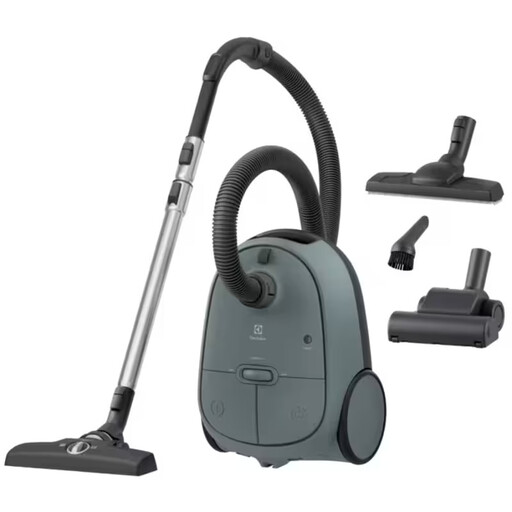 Image unavailable
Worth considering for manual cleaning across different types of flooring, provided the brushes included with the version on sale are suitable for your floors and rugs. Also check the attachments for soft furnishings and awkward corners, and the reference number of compatible bags.
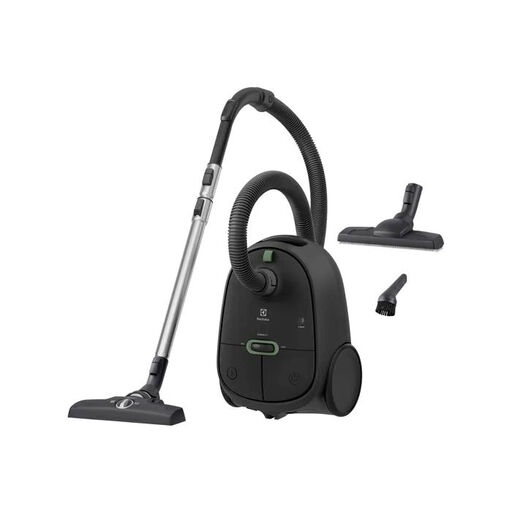 Image unavailable
Worth considering for homes with several rooms: the 550 W stated in the product name isn’t enough to judge suction performance on every surface. Check the brushes and attachments included, then find the reference number of compatible bags.
No. The motor’s wattage alone doesn’t tell you how well a vacuum will clean. Que Choisir highlights the importance of the floor head and tests vacuums on different surfaces, so compare relevant test results for your floors and check which brushes are included.
Check that it has a floor head suited to each surface, an upholstery tool for fabrics and a crevice tool for narrow spaces. If pet hair or soft furnishings are a big part of your cleaning routine, also check whether the exact model comes with a mini turbo brush.
With a bagged model, replace the bag as instructed and maintain the filters and brushes. With a bagless model, you’ll also need to empty the bin and clean the parts designed for this. Instructions and filter reference numbers vary by model.
Check the repairability index shown for the model and look up parts using its full model number. ADEME explains that the index takes into account factors including parts availability and how easy the appliance is to dismantle. It doesn’t replace checking that the specific parts you might need are available.