Households that deep-clean several surfaces
You vacuum several rooms, carpets, furniture or the gaps in wooden floors, and don’t mind a larger, corded appliance. UFC-Que Choisir describes cylinder vacuums as suitable for larger homes.


For frequent, quick clean-ups, choose a cordless upright for easy handling; if you have clear floors and want to clean regularly with less effort, consider a robot. According to UFC-Que Choisir’s guides, cylinder vacuums are better suited to larger homes and deep cleaning, while wet and dry vacuums are mainly designed for DIY or outdoor tasks. Whichever type you choose, check how well it performs on your floors and what maintenance it requires before settling on a model.
You vacuum several rooms, carpets, furniture or the gaps in wooden floors, and don’t mind a larger, corded appliance. UFC-Que Choisir describes cylinder vacuums as suitable for larger homes.
You want to get the vacuum out and put it away quickly to clean a high-traffic area or a small home. A cordless upright is handy for this, provided its run time in the mode you use is long enough.
You have clear floors and want to schedule vacuuming. A robot still requires you to check how it performs on different floor coverings and to maintain its bin and brushes, as UFC-Que Choisir points out.
Start with the task you do most often at home. The type of vacuum will determine which compromises to make and which features to check.
Worth considering: for several rooms, carpets or a thorough clean of floors and furniture.
Bear in mind: you’ll have a cable, more to store and, with a bagged model, bags to replace.
Worth considering: for quick clean-ups that are easy to start and repeat.
Bear in mind: check the run time and bin capacity against the area you need to clean.
Worth considering: for scheduled cleaning on clear floors.
Bear in mind: performance varies across floor coverings, and the robot still needs maintenance.
Worth considering: for DIY debris or outdoor tasks, depending on the uses permitted for the model.
Bear in mind: its bulky tank can make it less practical for everyday cleaning around the home.
| Criteria | What to check | Relevant needs |
|---|---|---|
| Cleaning several surfaces | Performance on your floors and carpets; brushes and accessories for furniture. | If my carpets and furniture need a thorough clean, I’d choose an appliance suited to those surfaces rather than one designed for quick clean-ups; about 34% of consumers prioritise this need. |
| Quick clean-ups | Weight in use; run time at the required power setting and storage. | If I clean a high-traffic area often, I want to be able to get the appliance out and put it away easily. This is the top priority for about 33% of consumers. |
| Automation | Performance on different floor coverings and along edges; bin and brush maintenance. | When my floors are clear, I want to schedule cleaning but still be able to check hard-to-reach areas; about 25% of consumers put reducing the effort involved first. |
| DIY or outdoor debris | Whether the model can handle water or fine dust; hose diameter and storage space. | For small amounts of rubble, leaves or water, I need an appliance designed for that kind of waste rather than just for the floors in my home. About 8% of consumers prioritise this use. |
According to UFC-Que Choisir, this figure usually refers to use at a low power setting. It may not reflect the run time you’ll get when tackling carpets or the gaps in wooden floors.
Compare run time in the mode you’ll need, performance on your floor coverings and whether the battery can be replaced.
UFC-Que Choisir notes that performance varies depending on the floor. You’ll also need to maintain the bin and brushes, even if a docking station takes care of some tasks.
Consider the carpets, obstacles, edges and corners in your home. If the model uses an app, check that it’s compatible with your device.
The power rating doesn’t tell you everything about cleaning performance. The cleaner head and how it works on different floor coverings matter too.
Look for tests on the types of flooring in your home, then compare the brush, accessories and emptying requirements of bagged and bagless models.
UFC-Que Choisir describes wet and dry vacuums as suitable for DIY dust and small amounts of rubble, but their tanks can make them less convenient to move and store between everyday clean-ups.
Check the weight, dimensions and accessories, as well as the types of waste the model can actually vacuum.
UFC-Que Choisir includes Dyson among the cordless upright brands to consider if easy handling and accessories are important to you.
UFC-Que Choisir mentions Rowenta in both the cordless upright and robot vacuum categories.
UFC-Que Choisir lists Roborock among the robot and cordless upright vacuum brands.
Kärcher is among the cordless upright brands mentioned by UFC-Que Choisir.
These models illustrate three of the uses covered here: cleaning with a bagged cylinder vacuum, quick clean-ups with a cordless upright, and scheduled cleaning with a robot. First choose the format that suits your tasks, then check the specifications of the model you’re interested in.
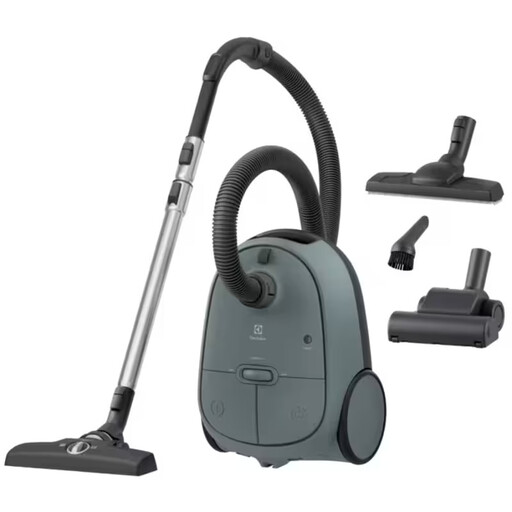 Image unavailable
Worth considering if you prefer a cylinder vacuum for cleaning several rooms and different floor coverings.
Its bagged design means you’ll need to replace the bags. Before choosing, check which brushes are included and how it performs on your floors and carpets.
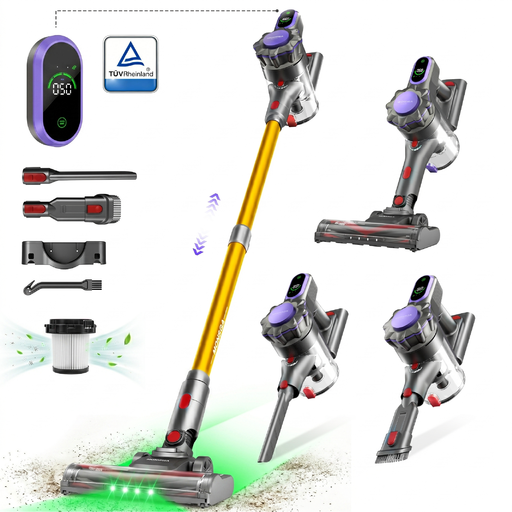 Image unavailable
Worth considering for quick clean-ups where a cordless design and easy storage matter.
The product details list 55 kPa, 550 W and up to 55 minutes in hard floor mode. Check the run time in the mode you’ll need for carpets or other floor coverings; these figures alone don’t tell you how well it cleans.
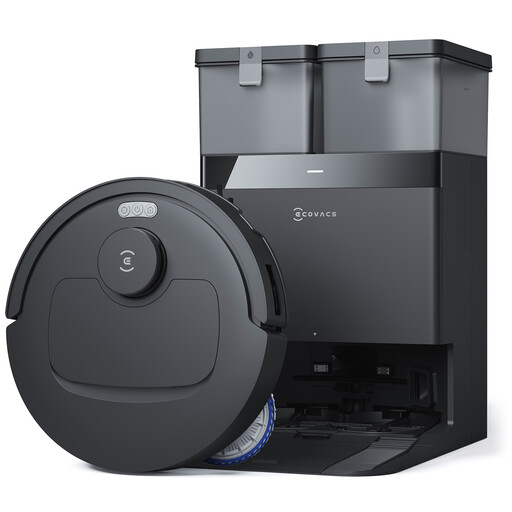 Image unavailable
Worth considering if you want to schedule cleaning and have space for its Omni station.
The model is listed with OZMO Turbo 2.0 mopping. Check how well it vacuums your floors and carpets, and make sure the app is compatible.
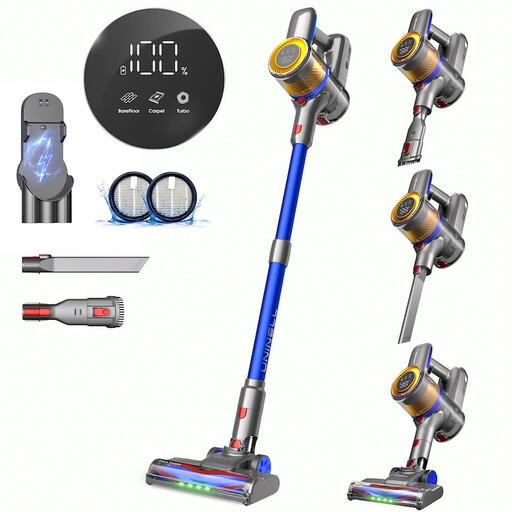 Image unavailable
Another upright option for frequent clean-ups around the home.
The product details list 45,000 Pa and a removable battery. Compare the run time in the mode you’ll use and how it performs on your floor coverings rather than judging its effectiveness by the suction figure alone.
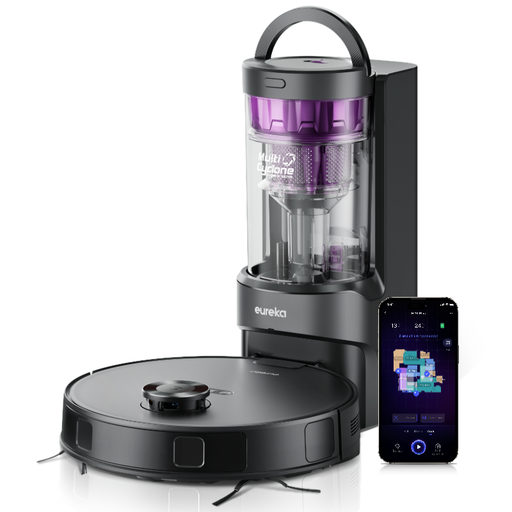 Image unavailable
Worth considering if your priority is scheduled cleaning with an emptying station.
The product details list 8,000 Pa and up to 180 minutes of operation. Check how it performs on your floors, how it handles obstacles and whether it’s compatible with your 2.4 GHz Wi-Fi network.
Yes. It lets you compare how repairable different models are, but doesn’t tell you how well they clean. According to ADEME, corded, cordless and robot vacuum cleaners are among the appliances covered. Check the rating for the specific model and the information about its spare parts.
Check the model-specific information on disassembly, access to parts and their stated availability. For an upright, pay particular attention to the battery; for a robot, check the parts that need regular maintenance.
No. Compare the run time in the mode you’ll actually use. UFC-Que Choisir says that the maximum run time shown usually refers to a low power setting, while cordless uprights last around ten minutes on average at full power.
Not necessarily. UFC-Que Choisir has found that robot performance varies depending on the floor. Before deciding whether a robot can handle your regular cleaning or should complement a cylinder vacuum, look for tests on your carpets and hard floors, as well as its performance along edges and in corners.