
Livraison le jour même ou le lendemain

Qualité garantie

Débloquez vos offres de bienvenue: Livraison GRATUITE | Jusqu'à -80 % | 30 jours d'essai gratuits à JoyPlus
Téléchargez l'application
A pair of UV400 sunglasses should be chosen based on more than just the frame shape or lens colour. In France, the key factors are protection against ultraviolet rays, the amount of light filtered, how securely they sit on your face and how easy they are to care for.
Some marketing claims can nevertheless cause confusion. The “UV400” label does not necessarily indicate the sunglasses’ filter category, and a very dark lens is not automatically more protective. Here are the points to check before placing your order, along with a selection suited to several different uses.
A lens tint reduces the brightness you perceive, but it does not by itself guarantee effective UVA and UVB filtration. The UV400 label means that ultraviolet radiation is filtered up to 400 nanometres. You should still check the product details and labelling to confirm compliance and the filter category.
Very dark sunglasses with poor filtration can even feel uncomfortable in bright sunlight. When driving, also make sure that the tint does not reduce visibility too much, particularly at dusk or when the sky is overcast.
Polarised sunglasses reduce reflections from water, tarmac and car bodywork. They are useful for daytime driving, fishing and water sports. However, polarisation does not replace UV400 protection and can make some screens harder to read, depending on their orientation.
A frame that is too wide may slip, allow light in from the sides or press against your temples. Conversely, a frame that is too narrow can quickly become uncomfortable when worn for long periods. When comparing models, check the frame width, bridge width, arm length and weight.
Lightweight sunglasses made from TR90 are often comfortable for everyday wear. However, their flexibility does not mean you can overlook the quality of the hinges and nose pads.
UV400 protection concerns ultraviolet filtration. The sun protection category, usually stated on the product or in its instructions, indicates the amount of visible light that passes through the lenses. For everyday use in town, a category suited to typical levels of brightness may be sufficient. In the mountains or in highly reflective surroundings, read the manufacturer’s recommendations carefully.
Sports sunglasses sometimes state a VLT value, meaning their visible light transmission. For example, a specification of around 15.2% allows less light through than a model showing 48%. This information helps distinguish sunglasses designed for intense sunshine from those intended for more changeable conditions.
A TR90 frame is made from a lightweight, flexible polymer. It can be suitable for everyday travel, holidays or cycling, provided it is properly cared for. Nylon, TAC and polycarbonate lenses do not offer exactly the same characteristics. One-piece PC lenses are used in some cycling models, where they are valued for their coverage and impact resistance.
Please note: impact-resistant sunglasses are not personal protective equipment intended for industrial use. They are not suitable for welding, looking directly at the sun or activities requiring specialised protection.
Folding sunglasses take up less space in a bag or glove compartment. Before choosing a pair, check their thickness when folded and the sturdiness of the folding mechanism. Adjustable arms, non-slip nose pads and soft tips can also improve the fit.
Clean the lenses with clean water or a suitable wipe, then dry them with a microfibre cloth. Avoid abrasive products, alcohol unless recommended by the manufacturer, and storing them without a case: these habits can encourage scratching.
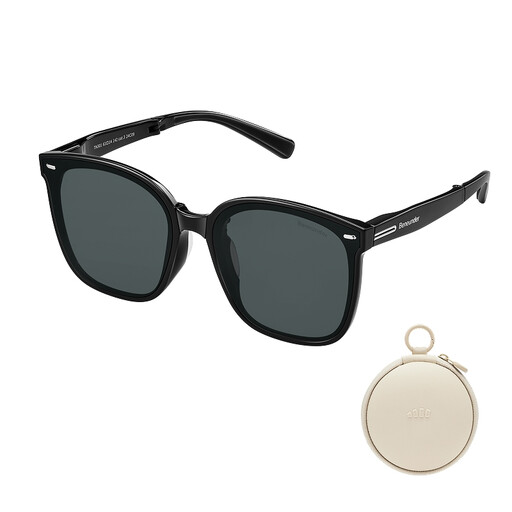
Why this choice suits this profile : This foldable frame is practical for everyday journeys, holidays and anyone who wants to slip their sunglasses easily into a bag. The product details state a weight of around 26 g and a thickness of 35 mm when folded.
The description distinguishes UV400 protection from glare reduction and specifies the frame dimensions, rather than relying solely on a dark tint.
TR90 frame, nylon lenses, three-part construction and an anti-reflective treatment, as stated in the product details.
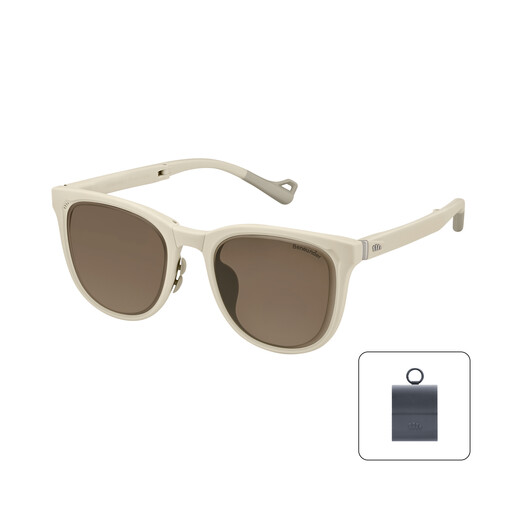
Why this choice suits this profile : This model combines a classic Boston silhouette with a flexible TR90 frame and several lens treatments. It is suitable for regular wear in town, on public transport or while travelling.
The adjustable arms and dual-axis nose pads address the problem of a standard fit that may not suit every face shape.
Nylon lenses advertised with UV400 protection, anti-reflective, oleophobic and anti-scratch treatments, plus a foldable design.
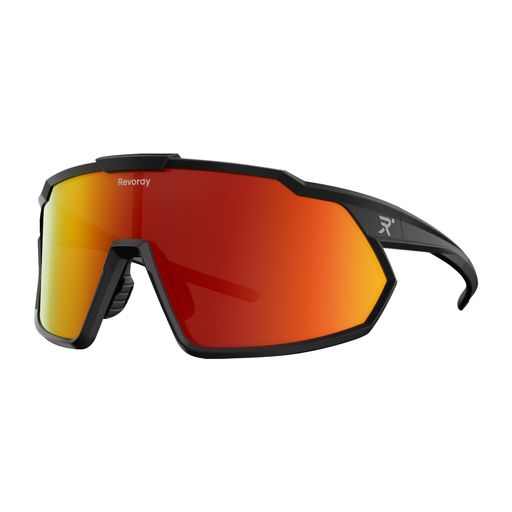
Why this choice suits this profile : These cycling glasses are designed for road rides, mountain biking and outdoor activities where a secure fit is essential despite movement.
The description mentions a weight of around 33 g, adjustable nose pads and non-slip tips: three details to look for when taking part in sport for extended periods.
Polarised TAC lenses, light transmission of around 15.2%, TR90 frame, and water-repellent, oleophobic and anti-scratch treatments.
We have brought together a comprehensive, real-time updated selection of products that meet these exacting criteria, as well as European safety requirements.
Reading glasses and magnifying glasses meet a different need from UV400 sunglasses. Models marked 200D, 300D, 350D or 400D are reading aids without prescription correction. They should not be used for driving or as safety glasses.
For working at a desk or reading at home, choose a comfortable strength and stop wearing them if discomfort persists. Half-moon styles make it easier to look upwards, while a full-frame design keeps the lenses better positioned in front of your eyes.
They can be suitable for daytime driving, provided the filter category, tint and visibility are appropriate for the conditions. Avoid lenses that are too dark at night, at dusk or in a tunnel. Polarisation can reduce reflections, but check that you can read your screens clearly before setting off on a long journey.
There is no universal lifespan. Replace your sunglasses when the lenses are scratched or distorted, or when the frame no longer stays securely in place. Prolonged exposure to heat, the weight of objects in a bag or unsuitable cleaning can speed up wear and tear.
No. It is an additional feature that is useful for reducing reflections from tarmac, water or metal surfaces. In town, the priority is clearly stated UV protection, a stable frame and a tint suited to the level of brightness.