
Livraison le jour même ou le lendemain

Qualité garantie

Débloquez vos offres de bienvenue: Livraison GRATUITE | Jusqu'à -80 % | 30 jours d'essai gratuits à JoyPlus
Téléchargez l'application
A pair of UV400 sunglasses shouldn't be chosen based solely on lens colour or frame shape. For daily commutes, holidays, driving or cycling, certain details directly affect comfort, durability and ease of use.
Three common pitfalls often crop up when buying:
UV400 protection means filtering ultraviolet rays up to 400 nanometres. On the product page, look for a precise indication of the filtration level as well as the regulatory markings applicable to sunglasses sold in the European Union.
The lens tint alone doesn't guarantee good UV filtration. A very dark lens can reduce brightness without, on its own, providing the necessary information about ultraviolet protection. For driving, also check the manufacturer's warnings and never wear tinted sunglasses at night.
Polarised sunglasses are designed to limit reflections from surfaces such as roads, water or car bodywork. They can be particularly suitable for daytime driving, fishing or water sports. However, do check their compatibility with the screens and equipment you use.
An anti-reflective coating can improve visual perception by limiting reflections on the lens surface. Beneunder product pages, for example, mention an OAR coating along with reflection reduction rates specific to the models in question. These figures should be treated as features stated by the manufacturer, not as a guarantee valid in all conditions.
Photochromic sunglasses adjust their tint according to UV exposure. They're handy for moving from shaded areas to outdoor spaces, but their behaviour can vary in a car, as the windscreen filters out some UV rays.
A lightweight TR90 frame is often appreciated for its flexibility and low weight. However, the material doesn't replace the need to check the dimensions:
For sport sunglasses and cycling glasses, prioritise a secure fit, adequate coverage and good ventilation. A frame designed for cycling isn't necessarily suitable for daily driving or city wear.
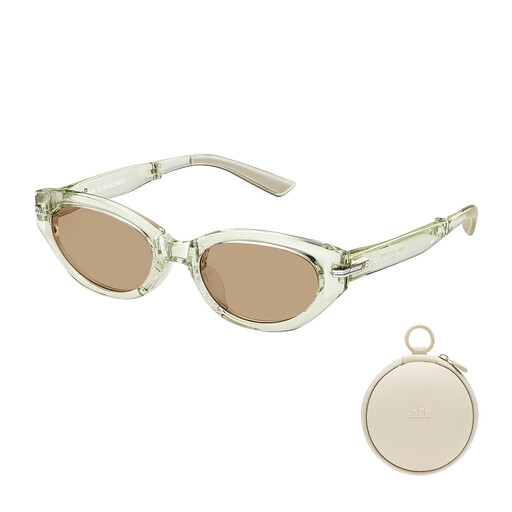
Why this choice suits this profile: Its translucent cat-eye shape works well for urban wear, while the foldable design fits easily into a bag or pouch.
The product page mentions a foldable TR90 frame, soft nose pads and five-point spring hinges. Dimensions are provided to make comparison easier.
Nylon lenses stated as UV400, OAR coating and a compact design for easy storage.
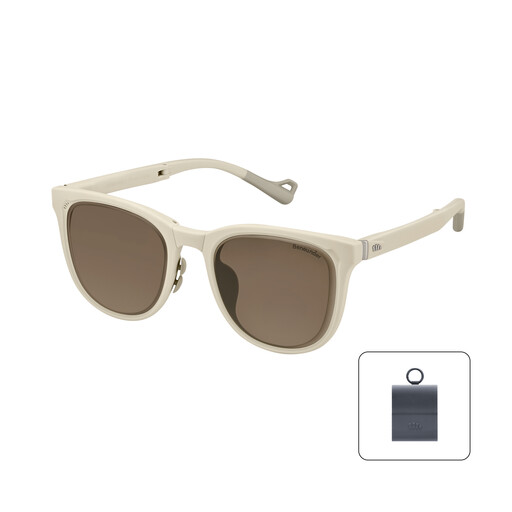
Why this choice suits this profile: Its understated Boston silhouette complements a versatile wardrobe, while the adjustments allow you to fine-tune the fit.
The foldable frame and adjustable arms prevent you from ending up with a bulky or poorly fitting pair.
Nylon lenses stated as UV400, anti-reflective, oleophobic and scratch-resistant coatings.
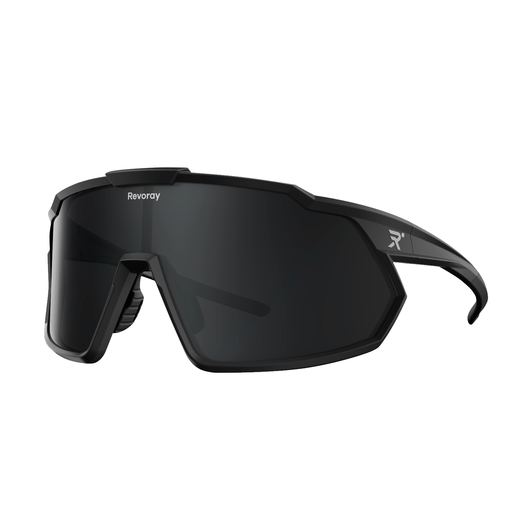
Why this choice suits this profile: This design is aimed at road cycling, mountain biking and outdoor activities, with a secure fit and coverage suited to movement.
The adjustable silicone nose pads and non-slip arms minimise movement during exertion.
Polarised TAC lenses stated as UV400, light transmission of approximately 15.2% and water-repellent coatings.
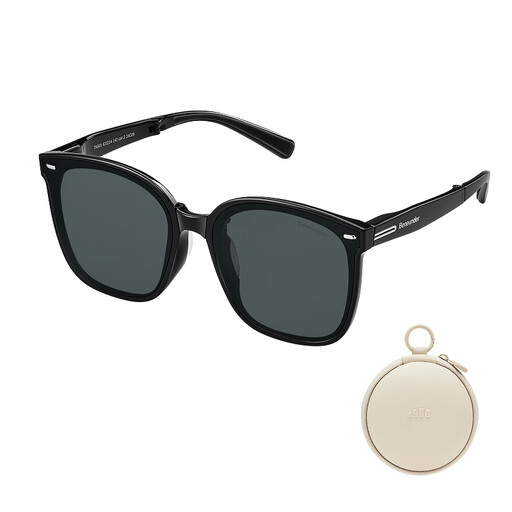
Why this choice suits this profile: Its foldable design and stated weight of 26 g make it practical for commutes, weekends and travel.
Its three-part design folds down to just 35 mm thick, reducing bulk in a case.
TR90 frame, lenses stated as UV400, OAR coating and a double-layer coating according to the product page.
We've put together a comprehensive, real-time updated list of products that meet these strict selection criteria and European safety regulations.
The lifespan of a pair depends mainly on how you use, store and treat the lenses. Clean them with clean water when needed, then dry them with a microfibre cloth. Avoid kitchen roll, solvents and household cleaning products.
Store your sunglasses in their case and avoid leaving them in a car exposed to high heat. Operate a folding hinge along its axis without forcing it. Replace the pair if the lenses become scratched or cracked, or if the frame no longer holds properly.
They can be suitable for daytime driving if the tint, lens category and manufacturer's instructions are compatible with this use. They should not be worn at night. Polarised models can reduce certain reflections, but check that they don't prevent you from reading dashboard screens properly.
There's no universal lifespan. Regularly check the condition of the lenses, hinges and nose pads. A well-maintained pair can remain usable as long as none of its components are damaged and the fit remains good.
Not necessarily. Their tint varies depending on UV exposure and may behave differently in a car or behind glass. For a specific activity, compare the light transmission, stated category and usage conditions before making your choice.