
Livraison le jour même ou le lendemain

Qualité garantie

Débloquez vos offres de bienvenue: Livraison GRATUITE | Jusqu'à -80 % | 30 jours d'essai gratuits à JoyPlus
Téléchargez l'application
A pair of UV400 sunglasses isn’t just about lens colour or frame shape. Whether you’re driving, cycling, on holiday or simply strolling through town, certain details make all the difference when it comes to comfort and durability.
However, the market does hold a few nasty surprises:
The term UV400 refers to protection against ultraviolet radiation up to 400 nanometres. Dark-tinted lenses alone don’t guarantee this feature – dark lenses without proper protection can reduce brightness while still letting UV rays through.
When shopping in the UK, check the technical specifications and compliance information. Look for the appropriate regulatory marking, a filter category and usage instructions. Everyday sunglasses are not a substitute for equipment designed for direct sun observation or industrial environments.
Polarised sunglasses filter out some reflected glare, particularly from roads, water or metal surfaces. They can be useful for daytime driving, fishing or outdoor activities. However, some screens may become harder to read depending on the filter orientation, and these glasses should not be worn at night.
An anti-glare or anti-reflective coating mainly reduces reflections on the lens surface. It is not automatically the same as polarisation.
Photochromic lenses change tint depending on UV exposure. This feature can be handy for cycling, but its effectiveness behind a windscreen varies, as the windscreen already filters out some UV. If you plan to use them while driving, carefully check the stated usage conditions.
A pair of lightweight sunglasses generally offers better comfort when worn for several hours. TR90, used in several models in this selection, is a flexible, lightweight polymer. However, it alone doesn’t guarantee a perfect fit – also compare the frame width, arm length and bridge width.
For sports activities, look for specific features:
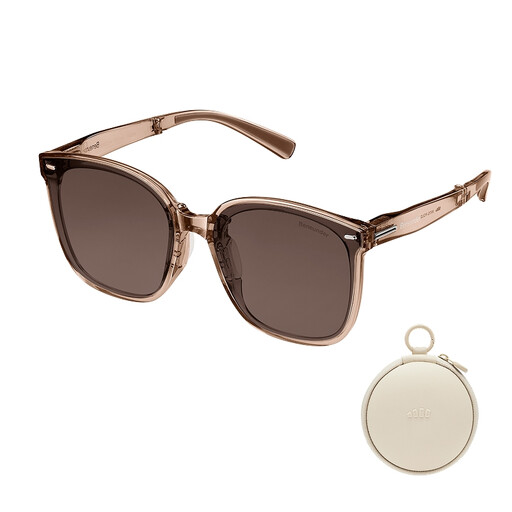
Why this fits the profile: This model combines a foldable TR90 frame, UV400-rated lenses and a weight of just 26 g. Its compact size slips easily into a bag for daily commutes or travel.
The product page states a folded thickness of 35 mm and details the UV400 protection, rather than relying on a simple aesthetic promise.
Three-fold design, TR90 frame, nylon lenses and OAR anti-reflective coating.
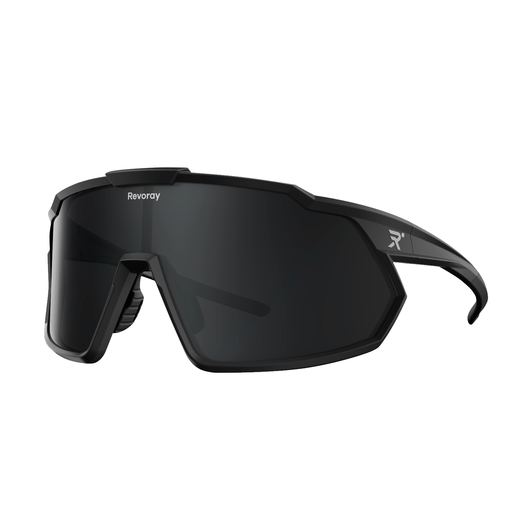
Why this fits the profile: This model is aimed at cyclists looking for polarised TAC lenses, a TR90 frame and enhanced grip for regular rides.
The product page states a light transmission of around 15.2 %, UV400 protection and an ANSI Z87.1 reference – check the supplied labelling.
Polarised lenses, water- and oil-repellent coating, claimed weight of around 33 g and adjustable silicone nose pads.
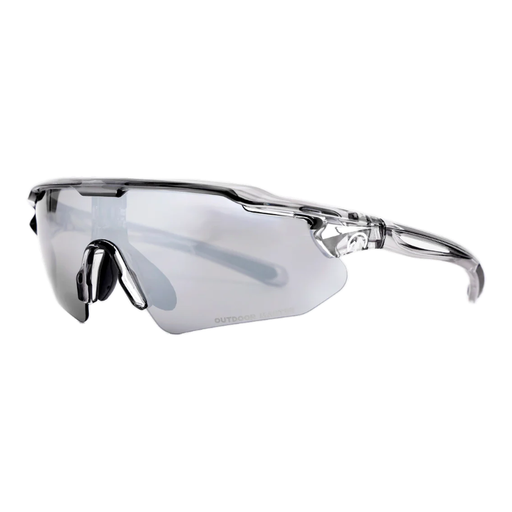
Why this fits the profile: Cyclists and outdoor sports enthusiasts benefit here from lenses that are both photochromic and polarised, paired with a lightweight frame designed for varied activities.
The product page clearly distinguishes the two technologies and separately states a weight of 26 to 29 g. The reaction behind a windscreen should still be checked according to your intended use.
PC lenses claimed to be impact-resistant, TR90 frame, adjustable nose pads and an expanded field of vision mentioned on the product page.
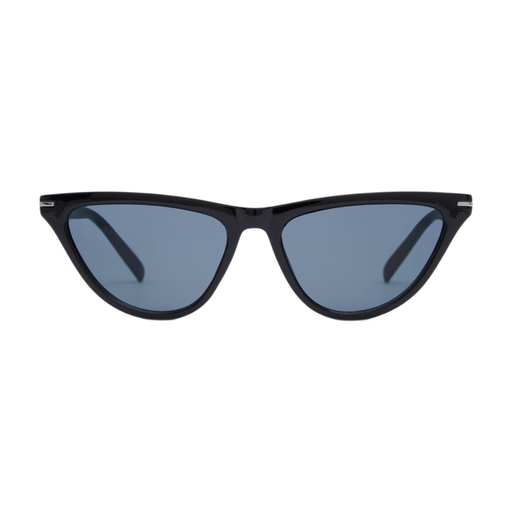
Why this fits the profile: This black cat eye silhouette pairs easily with urban outfits and suits those who prioritise style and lightness every day.
The product page details care and storage instructions. However, check the UV400 marking and filter category before using them in strong sunlight.
Cat eye shape, easy-to-match black colour and lightweight construction for daily wear.
We’ve put together a full, real-time updated selection of products that meet these strict criteria and European safety requirements.
How long a pair lasts depends mainly on how you use it, where you store it and the condition of the lenses. To minimise wear:
With foldable sunglasses, handle each movement gently without forcing the arms. A hinge designed to save space isn’t meant to be opened quickly or in the wrong direction.
They can be suitable for daytime driving, provided the filter category and tint offer sufficient visibility. Avoid lenses that are too dark in tunnels, in low light or at night. Polarised sunglasses can reduce some glare, but check that dashboard screens remain clearly readable.
No. Polarisation and UV400 protection are two different features. A pair can be polarised without its product page clearly confirming its UV protection level. Look for both indications separately.
There’s no universal lifespan for all pairs. Replace them when the lenses are scratched or distorted, or when the frame no longer stays in place properly. For sports use, also inspect the nose pads, arms and any cracks after each period of intensive use.