
Livraison le jour même ou le lendemain

Qualité garantie

Débloquez vos offres de bienvenue: Livraison GRATUITE | Jusqu'à -80 % | 30 jours d'essai gratuits à JoyPlus
Téléchargez l'application
A pair of UV400 sports sunglasses does more than just complete a cycling outfit. It needs to reduce glare, stay firmly in place during exertion, and provide clear vision as light conditions change. Yet some marketing claims can easily lead you to buy a pair that isn't right for you.
The UV400 label indicates protection against ultraviolet rays up to 400 nm. However, it tells you nothing about the lens tint or how much visible light is transmitted. Polarisation, on the other hand, mainly reduces reflections from roads, water or metal surfaces. So it doesn't replace the need to check UVA and UVB protection, the CE marking and the filter category.
Lightweight sports glasses can become uncomfortable if the bridge slips, the arms press against your temples, or the frame restricts your peripheral vision. For cycling, running or sailing, adjustable nose pads, silicone grips and a wraparound shape matter at least as much as the stated weight.
A polycarbonate or nylon lens may be marketed as impact-resistant without offering protection suitable for industrial environments. Product specifications usually state the intended uses and their limitations. If your activity involves particular mechanical risks, it's better to check the standard and certification level listed rather than rely on a marketing slogan.
Look for a clear indication of UVA/UVB protection or UV400, along with the regulatory information on the product page. A very dark tint does not automatically mean better protection. For driving, also check that the tint and filter category are suitable for the intended use, especially in low light.
Visible light transmission, often expressed as VLT, lets you compare lenses. A low value is better for very bright conditions, while a high value lets in more light on overcast days. Glasses with photochromic lenses adapt their tint to light intensity, but how they perform depends on the technology used and the actual conditions.
Polarised cycling glasses reduce horizontal reflections, which can be useful on wet roads, water or shiny surfaces. An anti-reflective coating can also limit certain reflections on the inside of the lens. However, these two features should not be confused: polarisation filters out some reflections, while anti-reflective coating acts on light reflected from the lens surface itself.
For fishing, golf, sailing or daytime driving, anti-glare sunglasses can improve visual comfort. They should never be used to look directly at the sun.
TR90 is a thermoplastic material often used for lightweight sports glasses. It combines low weight with a degree of flexibility, but doesn't guarantee the same fit on every face. Check the frame width, arm length, bridge width and whether adjustable nose pads are present.
Airflow between the lenses and frame helps reduce condensation during exercise. Anti-fog sports glasses don't eliminate fogging in every situation though: sweat, cold and lack of ventilation can still affect performance.
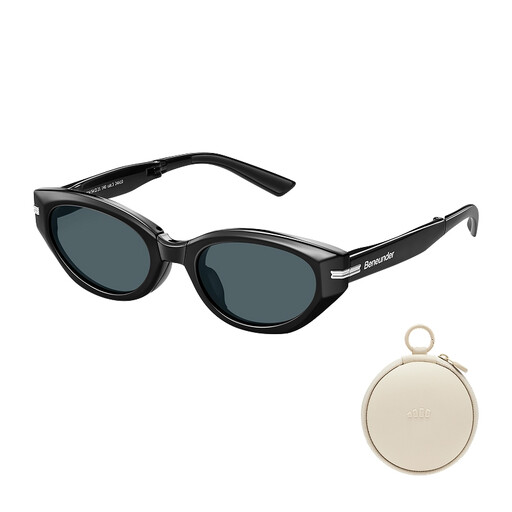
Why this choice suits this profile: this model is designed for those who want a compact pair for daily commutes, daytime driving and occasional outings, without needing sophisticated multi-sport equipment.
The foldable frame stores easily and the soft nose pads help prevent slipping. The product page mentions HD nylon lenses with UV400 protection and OAR anti-reflective coating.
Foldable TR90 frame, five-point spring hinges, padded arms and nose pads. Available in several colours.
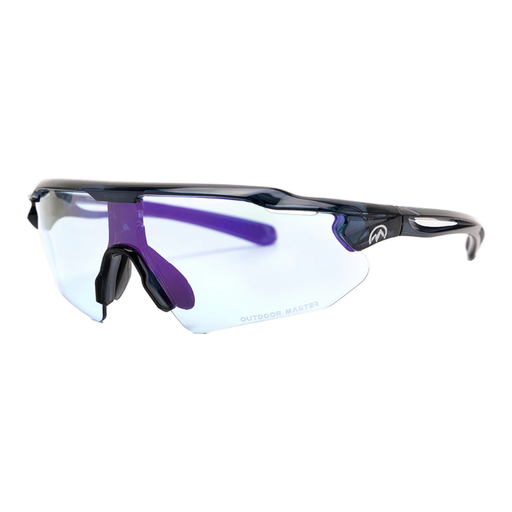
Why this choice suits this profile: this model is aimed at cyclists and sportspeople who want several features in one pair, so they can move between shaded areas and bright sunshine without swapping glasses.
The photochromic technology is said to adapt the tint to light levels, while polarisation targets reflections. It's still essential to check the conditions of use before driving.
TR90 frame, adjustable nose pads, polycarbonate lenses, stated weight of 26 to 29 g and UV400 protection listed on the product page.
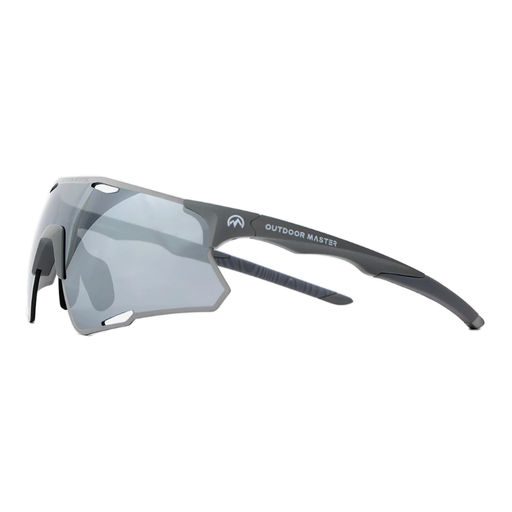
Why this choice suits this profile: its wraparound shape and ventilation make it suitable for cycling, running and activities where your glasses need to stay perfectly stable.
The product page mentions a ventilated design to reduce fogging, adjustable nose pads and an expanded peripheral field of vision. These features don't replace proper adjustment.
Stated weight of 25.5 g, polarised polycarbonate lenses, UV400 protection and internal prescription lens holder included according to the product page.
We've put together a comprehensive, real-time selection of products that meet these demanding criteria as well as European safety regulations.
How long your glasses last depends mainly on scratches, heat and stress on the frame. After each outing, rinse the lenses with clean water if needed, then clean them with a microfibre cloth. Avoid solvents, abrasive products and dry wiping on a dusty surface.
Store the glasses in their case and don't leave them in a car parked in direct sunlight. Replace them if the lenses are heavily scratched, if the frame becomes distorted, or if the hinges no longer hold the arms in place properly.
They can be suitable when the product page clearly states UV protection, CE marking and a filter category appropriate for the use. For driving, avoid tints or categories that aren't compatible with low light, and never wear sunglasses at night.
Choose polarisation if your priority is reducing reflections on the road, water or shiny surfaces. Photochromic lenses can be useful if you regularly move between shaded areas and sunny spaces. These two technologies can be combined, as on some cycling models, but they don't address exactly the same need.
It's best to replace them when the lenses are scratched enough to affect your vision, when the markings or protection information are no longer legible, or when the frame no longer stays stable. Gentle cleaning and storage in a case can slow down wear, but no pair is indestructible.