
Livraison le jour même ou le lendemain

Qualité garantie

Débloquez vos offres de bienvenue: Livraison GRATUITE | Jusqu'à -80 % | 30 jours d'essai gratuits à JoyPlus
Téléchargez l'application
Whether you’re cycling, driving, fishing or strolling by the water, UV400 polarised sunglasses serve two distinct purposes: limiting your exposure to ultraviolet rays and cutting down on annoying glare. But not every pair that makes these promises delivers the same level of comfort. A frame that’s too heavy will slip, lenses that are too dark can hinder driving, and flimsy hinges quickly turn foldable sunglasses into a bad idea.
Here are the criteria to check before you buy, followed by a selection tailored to different profiles.
Polarisation mainly reduces glare reflected from water, roads, sand or metal surfaces. It does not replace UV400 protection. When comparing two models, check the UV400 marking and a clearly legible regulatory label separately.
Polarisation can make a real difference for sunglasses intended for driving or fishing. However, it alone doesn’t make a model suitable for every situation: the tint, visible light transmission and the manufacturer’s recommendations matter just as much.
A very dark lens isn’t necessarily the one that filters UV best. In a car, especially when light levels change quickly, a tint that’s too dark can even impair visual comfort. Some manufacturers indicate the visible light transmission, or VLT. The lower this value, the less light the lens lets through.
Photochromic lenses adapt their tint to light intensity, but their behaviour can differ behind a windscreen. They’re best suited to people who regularly move between sunny areas and shaded spots without wanting to change their glasses.
An attractive frame can quickly become uncomfortable if the bridge presses on your nose or the arms squeeze your temples. For cycling and sports sunglasses, go for adjustable nose pads, silicone elements and arms that stay put during exertion.
Also check the frame width, arm length and lens height. These measurements are far more useful than a vague mention like ‘one size fits all’.
The UV400 label indicates that ultraviolet rays are filtered up to 400 nm. It must be clearly shown on the product page or label. For Beneunder models, the manufacturer’s page states filtration of at least 99.8% of UV rays. For the other references shown below, the pages mention UV400 protection, with features that may vary depending on the version.
UV protection does not mean the sunglasses can be used to look directly at the sun. Always follow the manufacturer’s warnings: standard sunglasses are no substitute for industrial protection or specialist equipment.
A polarised lens can reduce glare, but several other elements deserve your attention:
Anti-fog sunglasses are particularly useful for cycling, running and outings in cool weather. A well-ventilated frame encourages air circulation, though it won’t eliminate all condensation in damp conditions.
TR90 is a lightweight, flexible synthetic material commonly used in sports sunglasses. It alone doesn’t guarantee durability or comfort: the frame shape, hinge quality and adjustability also play a key role.
For prolonged wear, a weight of around 25 to 33 g can reduce the feeling of pressure, provided the frame is properly adjusted. Foldable sunglasses are handy for carrying in a pocket or small bag, but their hinges need to be handled gently.
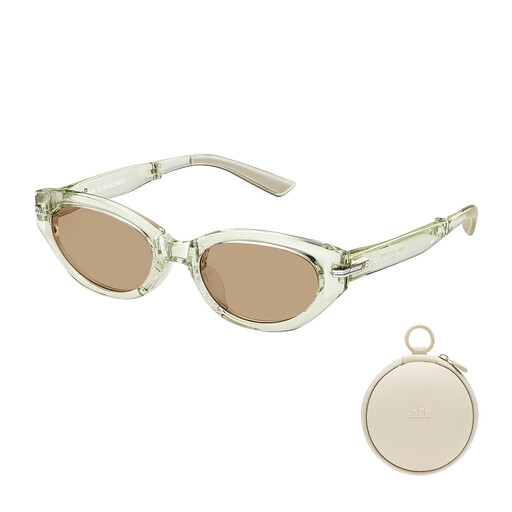
Why this choice suits this profile: this foldable cat-eye frame is ideal for everyday wear and city trips. It’s perfect for anyone who wants to stow their sunglasses away easily.
The page mentions UV400 protection, an OAR anti-reflective coating and air-cushion nose pads: the product doesn’t rely solely on the look of its lenses.
TR90 foldable frame, padded arms and detailed dimensions: frame width 14.7 cm and arm length 14.2 cm.
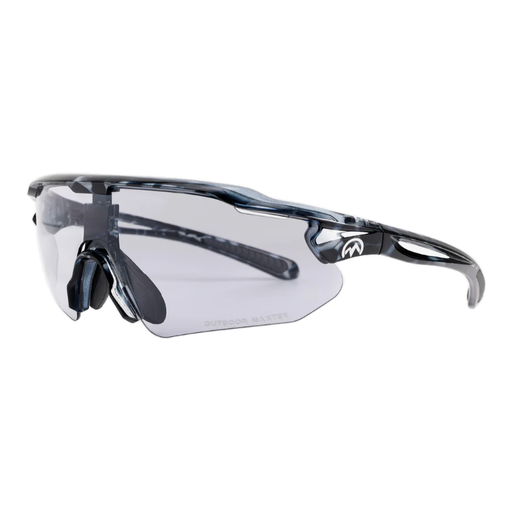
Why this choice suits this profile: this model is aimed at cyclists who tackle rides in full sun, shaded sections and a variety of sporting activities.
The page clearly distinguishes the photochromic and polarised functions, and states that the nose pads are adjustable rather than promising a ‘universal’ fit.
Polycarbonate lenses, TR90 frame, claimed 20% wider peripheral field of vision and weight between 26 and 29 g depending on the version.
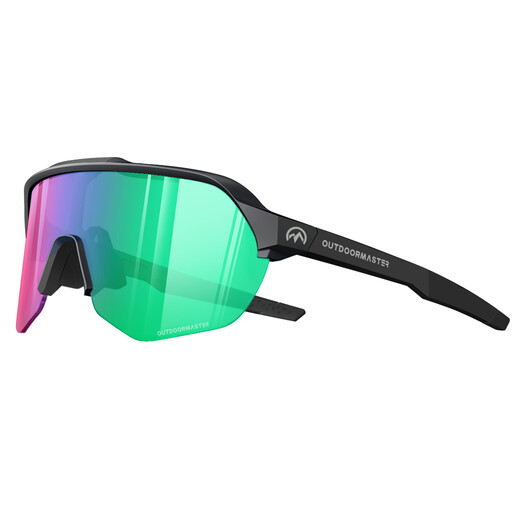
Why this choice suits this profile: fishing, golf, sailing, baseball and daytime driving all require effective glare reduction and a frame that stays securely in place.
The page mentions UV400 polarised lenses as well as an interchangeable clear lens for cloudy days or lower light conditions.
TR90 memory-shape frame, lenses claimed to be impact-resistant and a hard case included.
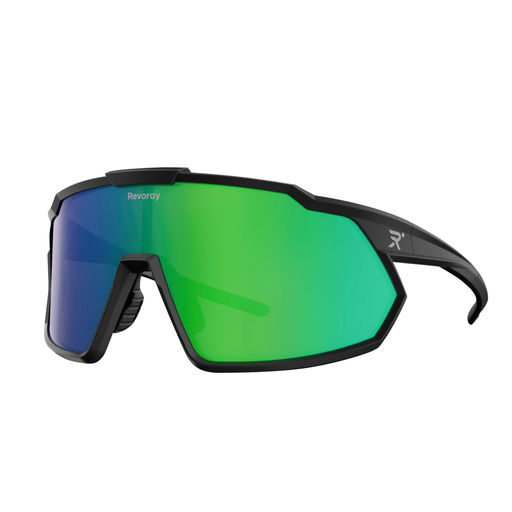
Why this choice suits this profile: this model is designed for cyclists and outdoor enthusiasts who need their glasses to stay put on rough roads.
The page states adjustable non-slip nose pads and arms, plus a water- and oil-repellent coating.
Claimed weight of around 33 g, TAC polarised lenses, UV400 protection and visible light transmission of approximately 15.2%.
We’ve put together a comprehensive, real-time selection of products that meet these demanding criteria as well as European safety regulations.
The lifespan of your sunglasses depends mainly on how you care for and store them. Rinse the lenses with clean water after exposure to dust or salt, then dry them with a clean microfibre cloth. Avoid kitchen roll, abrasive products and alcohol if the manufacturer advises against it.
Store the sunglasses in their case and never place the lenses against a surface. With a foldable frame, only use the intended mechanism and avoid leaving them in a car exposed to high heat. Replace your sunglasses if the lenses are deeply scratched or if the frame no longer holds properly.
They can reduce glare from the road and other vehicles, improving comfort during the day. However, check the filter category, visible light transmission and any warnings on the product page. Do not use them at night or to look directly at the sun.
They can be useful on routes that alternate between sun and shade. Their tint changes gradually and may react differently behind a windscreen. In very bright, steady light, a fixed-tint polarised lens often offers more predictable behaviour.
Choose a ventilated frame, adjust the nose pads to encourage air circulation and avoid touching the lenses with your fingers. A clean microfibre cloth helps preserve the surface coatings, but no solution eliminates fogging in all weather conditions.