
Livraison le jour même ou le lendemain

Qualité garantie

Débloquez vos offres de bienvenue: Livraison GRATUITE | Jusqu'à -80 % | 30 jours d'essai gratuits à JoyPlus
Téléchargez l'application
A pair of UV400 foldable sunglasses slips easily into a bag, glove compartment or suitcase. But not all compact frames are created equal. A fragile hinge, poorly documented sun protection, or a shape that’s too wide – a tempting purchase can quickly end up at the back of a drawer.
Before you let colour or the latest trends guide you, keep three pitfalls in mind.
The UV400 label means the lenses are claimed to protect against ultraviolet rays up to 400 nm. On its own, it says nothing about the tint, the sun filter category or visual comfort. For everyday use, take the time to read the full description of UV400 protection sunglasses, and check whether an anti-reflective coating is offered.
Lenses designed to limit glare can improve comfort when facing reflective surfaces, such as a wet road, a window or a very bright terrace. For driving, however, they must maintain perfectly clear vision and not interfere with reading dashboard information. And if you need a prescription, sunglasses are not a substitute for it.
A TR90 frame is often appreciated for its lightness and flexibility. This material does not mean you can skip checking the dimensions: frame width, temple length, bridge width and lens height all directly affect comfort.
Lightweight sunglasses are particularly pleasant to wear all day. However, a frame that is too light or poorly adjusted may lack stability. Compare the stated measurements with those of a pair you already own. Oversized models cover more of the sides of your face, but their width may not suit narrower faces.
For travel foldable sunglasses, measure the space available in your case or small pocket. A compact mechanism is only truly practical if used correctly: fold the temples in the intended direction, never force the frame, and clean the lenses with a microfibre cloth.
Anti-reflective, oleophobic or scratch-resistant coatings make maintenance easier, but they do not make the lenses completely scratch-proof. Avoid placing your sunglasses face down on a table and store them in their case after every use.
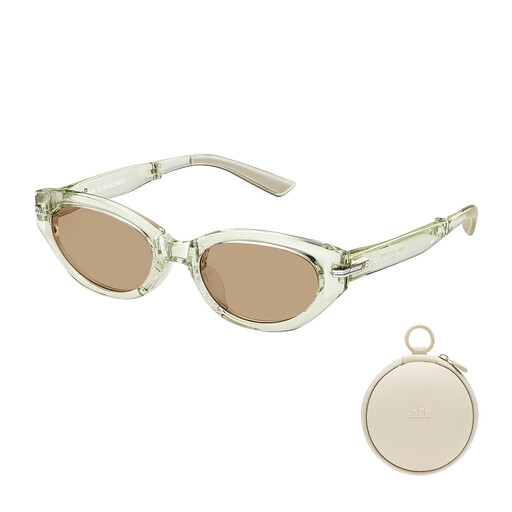
Why this model suits you: Its translucent cat-eye shape adds a trendy touch without taking up much space. It works well for everyday wear and city commutes, making it a great first pair of foldable sunglasses.
The product page mentions a foldable TR90 frame, air-cushion nose pads and flexible temples – features that address issues of pressure and insufficient fit.
UV400 protection stated, OAR anti-reflective coating and a frame width of 14.7 cm according to the product page.
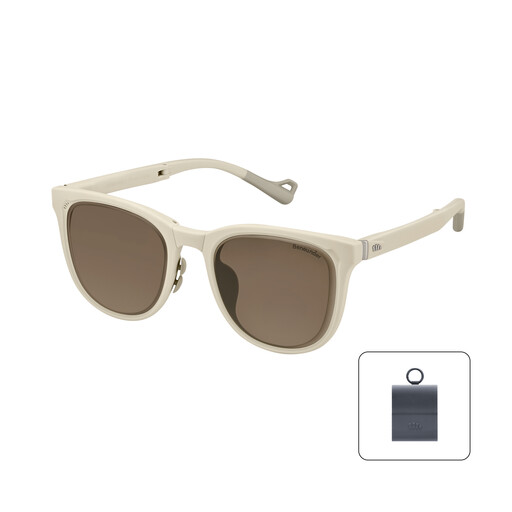
Why this model suits you: The Boston silhouette complements both professional attire and a casual look. The available adjustments are particularly useful when the sunglasses are worn for several hours a day.
The three-position adjustable temples and dual-axis butterfly nose pads reduce the risk of an imprecise fit.
UV400 nylon lenses stated, with anti-reflective, oleophobic and scratch-resistant coatings, for a claimed weight of 27.5 g.
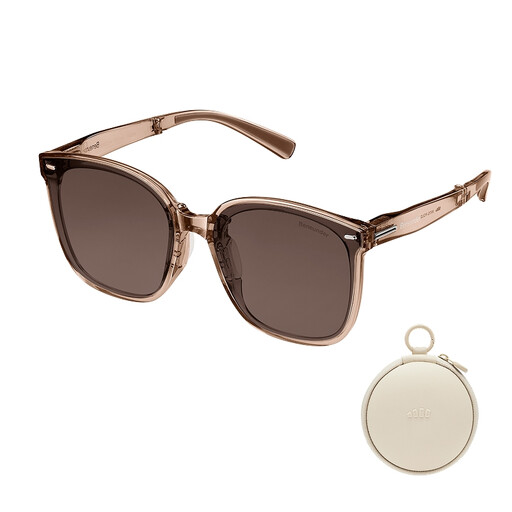
Why this model suits you: This format is ideal for travel, driving and outdoor activities when you want wide lenses in a frame that is easy to carry.
The three-part folding design is stated to have a thickness of 35 mm and a weight of 26 g, making regular travel easier.
UV400 and anti-reflective lenses stated by the manufacturer, TR90 frame and a double-layer coating presented as scratch-resistant.
We have put together a comprehensive, real-time updated selection of products that meet these demanding criteria, as well as European safety standards.
Yes, provided the lenses offer clear vision, the frame stays securely in place and the tint is appropriate for driving conditions. Check the information on the product page and avoid sunglasses that are too dark or unsuitable for the light levels.
It all depends on how often you handle it, how you store it and the quality of its hinges. To preserve the mechanism, fold it without forcing, clean the lenses with a microfibre cloth and use a rigid or sufficiently protective case.
No. An anti-reflective coating and polarisation are two different technologies. The former reduces certain reflections on the lens surface, while polarisation specifically filters reflected light. Check the precise specifications of the model before choosing your anti-glare sunglasses.