
Livraison le jour même ou le lendemain

Qualité garantie

Débloquez vos offres de bienvenue: Livraison GRATUITE | Jusqu'à -80 % | 30 jours d'essai gratuits à JoyPlus
Téléchargez l'application
Whether you ride on the road, on a mountain bike or on a challenging outdoor excursion, cycling glasses do more than complete your outfit. They need to filter ultraviolet rays, stay securely in place despite vibrations and provide clear vision in the face of wind, dust and spray.
However, some marketing claims should be treated with caution. Dark lenses do not necessarily guarantee UV400 sun protection, while a highly wraparound frame can become uncomfortable after several hours. Here are the criteria to consider before buying UV400 cycling glasses in France.
A lens tint mainly indicates how much visible light it filters. It is not enough to confirm its ability to block ultraviolet rays. When choosing UV400 cycling glasses, look for an explicit statement about UVA and UVB protection, along with the compliance information provided by the seller.
A very dark lens can also reduce visibility in woodland or when the sky becomes overcast. Visible light transmission should therefore be considered alongside UV protection.
Polarised cycling glasses reduce reflections from water, wet tarmac and certain car bodywork. They are particularly useful in bright conditions, but polarisation does not replace UV protection. It can also alter the appearance of some screens and displays.
For routes that alternate between sun and shade, photochromic sports glasses may be more practical. Their tint adapts to UV exposure, but the speed and extent of this transition vary depending on the conditions.
A frame that slips as soon as you start to sweat forces you to keep readjusting your glasses and takes your attention away from the road. Conversely, a pair that is too tight can put uncomfortable pressure on your nose or temples.
Insufficient ventilation can also encourage fogging, particularly during slow climbs or in cool weather. For mountain biking, also check the stated impact resistance of the lenses and the side protection against spray and debris.
The term UV400 refers to stated filtration of ultraviolet rays up to 400 nanometres. It covers UVA and UVB rays, but does not mean that the glasses are designed for looking directly at the sun or for industrial use.
The category of the sunglass filter is also important:
For standard rides, check the information on the product page, along with any usage restrictions.
Polycarbonate (PC) lenses are commonly used in impact-resistant cycling glasses because they are lightweight and stated to offer good resistance to impacts. Polarised TAC lenses focus more on reducing reflections and improving image clarity.
These features do not, however, turn sports glasses into professional protective equipment. Replace the pair if a lens is scratched, cracked or distorted. For intensive use, also look at the stated standards and performance levels, such as the ANSI Z87.1 reference when it appears on the product page.
Lightweight cycling glasses reduce pressure during long rides. The models shown below weigh between 25.5 and 33 g, depending on the version. Weight alone does not guarantee comfort, however: the width of the frame, the shape of the nose pad and the length of the arms are just as important.
Here are the features to prioritise:
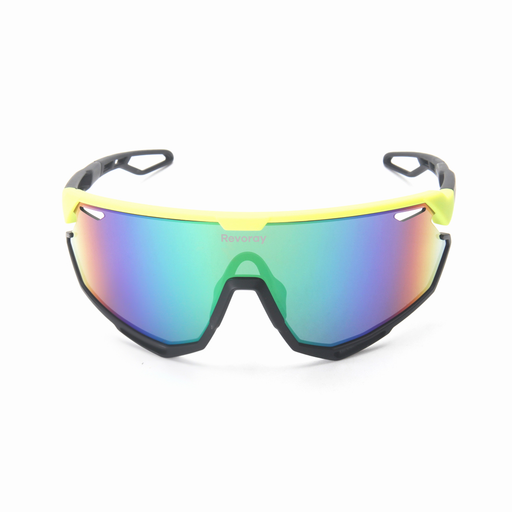
Why this choice suits this profile : This pair includes everything you need to get started on the road or on a mountain bike: a single-piece PC lens, a TR90 frame and stated UV400 protection.
The product page specifies UV400 protection, a weight of around 30 g, plus a nose pad and non-slip arms.
A wide lens without a visible central frame, an aerodynamic design and easy cleaning with clean water or a soft cloth.
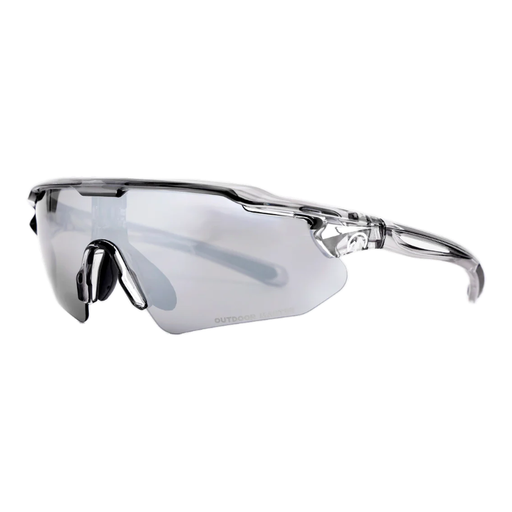
Why this choice suits this profile : Cyclists who want several features in a single pair will appreciate the stated combination of photochromic, polarised and UV400 lenses.
The product page distinguishes between the photochromic and polarised versions, with a stated weight of 29 or 26 g. Check the selected variant before placing your order.
Adjustable nose pads, TR90 arms and several accessories included, including a storage box, a case and a prescription-lens insert.
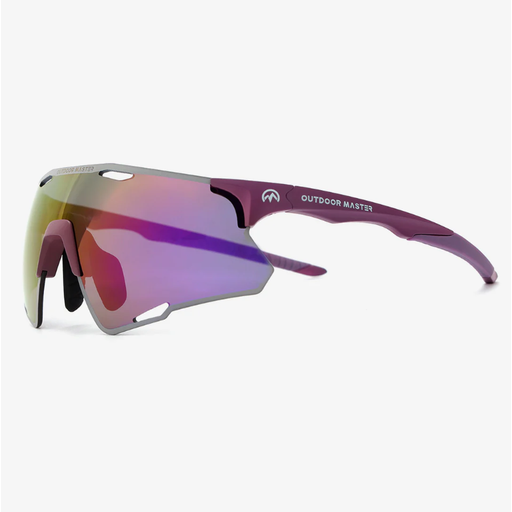
Why this choice suits this profile : Its ventilated design and stated weight of 25.5 g make it well suited to long rides, mountain biking and activities where fogging can quickly become a nuisance.
The ventilation helps limit the risk of fogging, while the adjustable nose pads and silicone elements help keep the glasses securely in place during exercise.
Polarised PC lenses with stated UV400 protection, a wider peripheral field of vision and an included retention strap.
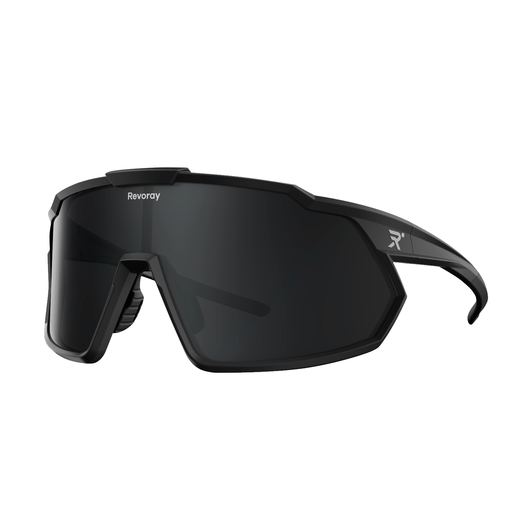
Why this choice suits this profile : The polarised TAC lens is designed for cyclists who regularly encounter reflections from tarmac, water or metal surfaces.
The product page clearly distinguishes polarisation from UV400 protection and states visible light transmission of around 15.2 %. This helps you better assess its suitability for very bright conditions.
A stated weight of around 33 g, adjustable silicone nose pads and arms, plus a water-repellent and oleophobic coating.
We have brought together a complete, real-time updated selection of products that meet these demanding criteria and European safety requirements.
After a dusty ride or time by the sea, rinse the glasses with clean water, then dry them with a clean microfibre cloth. Avoid kitchen roll, abrasive fabrics, alcohol and household cleaning products, which could damage certain surface treatments.
Store them in a hard case, away from high temperatures. Do not leave them on a car dashboard in direct sunlight. Regularly inspect the lenses, nose pads and arms: a deep scratch or distorted component can affect visual comfort and stability.
They are an important part of filtering ultraviolet rays, but they do not remove the need to choose a suitable lens category, impact-resistant lenses and a stable frame. Always check the compliance information and warnings shown on the product page.
Choose polarised glasses if you mainly ride in bright conditions and on reflective surfaces. Photochromic sports lenses are more versatile when routes alternate between sunshine, shade and wooded sections. These two technologies meet different needs.
Replace them if a lens is cracked, badly scratched or distorted, or if the frame no longer stays securely in place. Lifespan depends on how often you ride, storage conditions and exposure to impacts. Gentle cleaning and a protective case can nevertheless help reduce everyday wear.