
Livraison le jour même ou le lendemain

Qualité garantie

Débloquez vos offres de bienvenue: Livraison GRATUITE | Jusqu'à -80 % | 30 jours d'essai gratuits à JoyPlus
Téléchargez l'application
In many places, the weather can be full of surprises. A sunny morning can turn into a downpour in the blink of an eye, forcing you to choose between a parasol and a rain umbrella. The solution? The UV protection umbrella, a true two-in-one that shields you from both the sun's harmful rays and the whims of the weather. But with so many options on the market, how do you make the right choice? Our guide is here to help you navigate the choices and introduce you to models that stand out for their ingenuity and design.
To ensure you're making a smart investment, several criteria need to be carefully considered. Protection, durability, portability?— we'll break it all down for you.
The number one criterion for a UV protection umbrella is, of course, its Ultraviolet Protection Factor (UPF). Aim for a UPF 50+ rating, which guarantees the fabric blocks at least 98% of UVA and UVB rays. This feat is typically achieved through technical coatings, such as the L.R.C (Light-blocking, Reflective, Cooling) technology found on some models. This type of black inner lining doesn't just block light; it also helps reduce the feeling of heat under the canopy, a real bonus in the middle of summer.
To take it with you everywhere, a folding and compact model is a must. Therefore, pay close attention to its weight and folded dimensions. A lightweight umbrella, ideally under 300 grams, and small enough to slip into a handbag or glove compartment, is a daily game-changer. The most portable options, nicknamed pocket parasols, take compactness to the extreme and often come with a rigid or waterproof carrying case.
A good umbrella must be able to handle downpours and gusts of wind unfazed. Its sturdiness primarily depends on its frame. Frames made from a fibreglass and aluminium alloy offer an excellent balance between lightness and strength. A wind-resistant umbrella is identifiable by its flexible, reinforced ribs that can bend without breaking. The quality of the canopy, often a high-density polyester with a water-repellent treatment, is also crucial for express drying.
We've scoured the market to bring you models that meet a variety of needs?— for kids, globetrotters, or simply for everyday use.
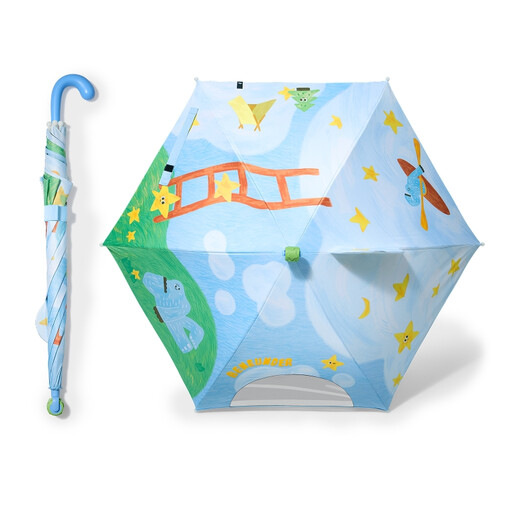
What sets it apart?: This model is specially designed for the safety and comfort of little ones. It combines playful details with safety features that make it as fun as it is practical.
Key features?:
Who is it for?? This kids' umbrella is the perfect ally for parents who want to provide complete (sun and rain) and safe protection for their children on all their outings.
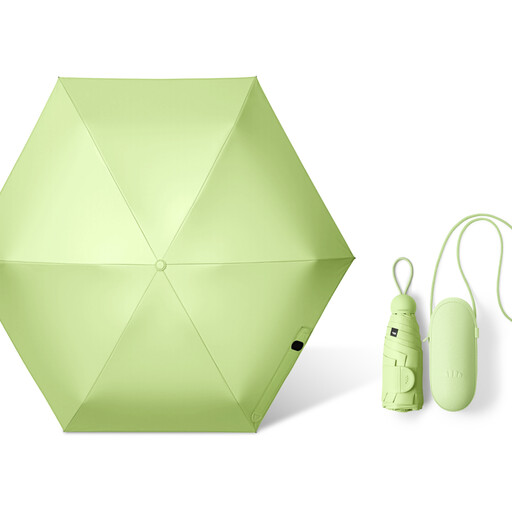
What sets it apart?: Its record-breaking compactness and capsule pouch make it the ideal travel companion. Foldable into 5 sections, it achieves a mini size.
Key features?:
Who is it for?? This travel umbrella is perfect for commuters, globetrotters, and anyone who wants discreet protection to slip into their bag.

What sets it apart?: This three-fold model achieves the feat of combining a featherlight weight with a reinforced structure, making it perfect for intensive daily use.
Key features?:
Who is it for?? This folding umbrella is the ideal versatile solution for daily use, whether for commutes, business trips, or weekend outings.
Our selection highlights specific models, but the world of protective umbrellas is much broader. To discover an extensive range of models, colours, and features, feel free to browse our complete collection.
Discover our collection of portable sun protection umbrellas
The entire difference comes down to the fabric. A UV umbrella features a special coating, often a dense black layer on the inside, designed to absorb or reflect ultraviolet rays. This characteristic is measured by the UPF rating. A standard umbrella will provide shade, but without guaranteeing true UV blockage.
Yes, absolutely. These umbrellas are designed for dual use. Their canopy has a water-repellent treatment that causes raindrops to slide off, just like a classic rain umbrella. It's the best of both worlds in a single accessory.
To preserve your umbrella's qualities, a few simple steps are all it takes. After a downpour, shake it to remove excess water and let it dry completely open, but away from direct sunlight to avoid damaging the fabric. Most importantly, never fold it while it's still damp: that's the surest way to encourage mould and damage the coating. To clean it, a simple damp cloth will do the trick. Once it's completely dry, store it in its sleeve to protect it from dust and snags.