
Livraison le jour même ou le lendemain

Qualité garantie

Débloquez vos offres de bienvenue: Livraison GRATUITE | Jusqu'à -80 % | 30 jours d'essai gratuits à JoyPlus
Téléchargez l'application
Fickle skies, an unexpected downpour, scorching sun in the middle of the city… Having a good umbrella on hand quickly becomes essential. But when it comes to finding a model that protects from both rain and UV rays, things get tricky. The market is flooded with marketing promises that too often lead to disappointing purchases.
As a Product Expert at Joybuy, my mission is to help you cut through the noise. Here are the most common pitfalls to avoid and the objective criteria for choosing a UV-protection umbrella that will become a true everyday ally.
The 3 pitfalls that make an umbrella useless:
To avoid these traps, simply focus on a few key technical features. They make all the difference between a disposable gadget and a durable, high-performance accessory.
The only reliable indicator for sun protection is the UPF (Ultraviolet Protection Factor) rating. For protection worth its salt, aim for a UPF 50+ rating. This means the fabric blocks over 99% of UVA and UVB rays. This performance is typically achieved with a specific technological coating, like the black L.R.C. (Light-blocking, Reflective, Cooling) coating found on higher-end models. It's the guarantee of a true UV sun parasol, not just a colourful shelter.
An umbrella's durability depends entirely on its frame. Entry-level models often use basic steel or aluminium, which are both heavy and inflexible. The best compromise is a frame made from a fibreglass and aluminium alloy. Fibreglass provides the flexibility needed to withstand gusts without breaking, while aluminium ensures it remains lightweight. A wind-resistant umbrella means guaranteed peace of mind when facing the whims of the weather.
A good travel umbrella must, above all, be easy to carry. To that end, keep two numbers in mind:
The quality of the case is also a detail that makes all the difference. A rigid or semi-rigid case better protects the umbrella and makes storage much easier.
To put this advice into practice, here are a few models that suit different user profiles.
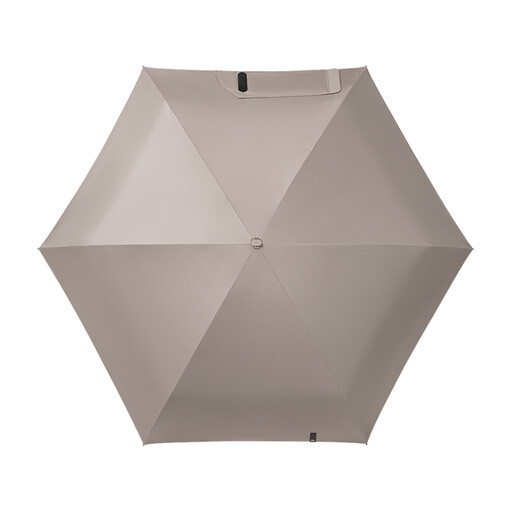
Why it stands out: Its flat, ultra-slim design (approx. 170g and 15.5cm) is engineered for those who want protection always at hand, without the bulk. It slips into a satchel or a small handbag for daily commutes.
It boasts certified UPF 50+ protection, and its ultra-slim "card" format solves the storage problem, avoiding the "compact but cumbersome" trap.
Extreme portability thanks to its feather-light weight and flat shape. Dual sun and rain use with quick-drying fabric.
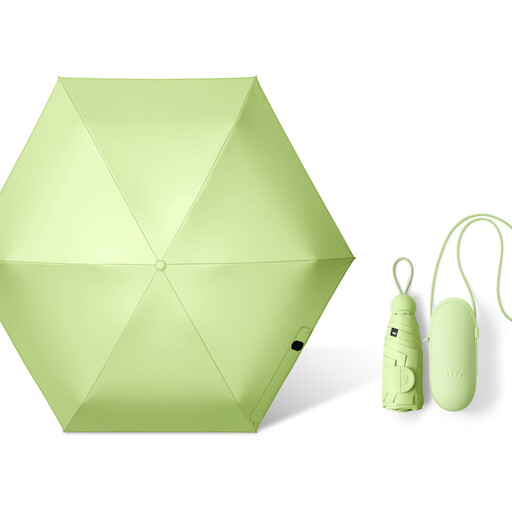
Why it stands out: This is the perfect compromise for travel. Compact (19 cm), lightweight (approx. 247g), and equipped with a rigid, capsule-shaped case that can be worn with a strap, it frees up your hands and stores away hassle-free after a downpour.
Its fibreglass-aluminium alloy frame offers excellent wind resistance, avoiding the fragility trap. The capsule case ends the nightmare of flimsy, often unusable soft sleeves.
Clever, rigid carrying case. Optimal balance of compactness, light weight, and durability for mixed sun/rain use.
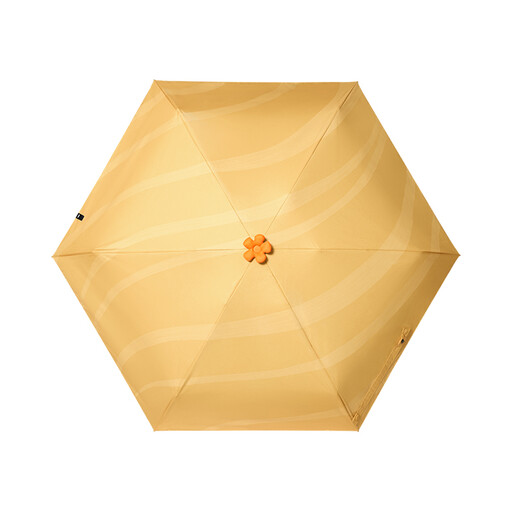
Why it stands out: For those who see an umbrella as a true fashion accessory. The 3D floral pattern and original cactus-shaped case make it a designer piece that sacrifices nothing in performance.
It proves that style doesn't preclude quality. It features UPF 50+ protection, a water-repellent canopy, and a reinforced 6-rib frame, avoiding the "pretty but useless" accessory trap.
Original and playful design. Versatile case (hand-carry or strap). High sun protection and wind resistance.
We have curated a full selection of products that meet our strict criteria and quality standards.
Yes, absolutely. Quality models are designed for dual use. Their canopy features not only a UV-blocking coating but also a water-repellent (hydrophobic) treatment. This causes water to bead up and roll off the surface instead of soaking in, allowing the umbrella to dry very quickly after a shower.
Maintenance is simple but crucial. After each use in the rain, shake off excess water and let it dry completely in the open position, away from direct sunlight. Storing it in its case while still damp can, over time, damage the protective coatings and encourage mildew growth.
Yes, it's all about design and materials. Resistance doesn't come from size, but from the materials used. A compact umbrella with a flexible frame made of a fibreglass and aluminium alloy and reinforced ribs will be far more durable than a large umbrella with a low-grade metal frame. This is a criterion that should not be overlooked when making your choice.