
Livraison le jour même ou le lendemain

Qualité garantie

Débloquez vos offres de bienvenue: Livraison GRATUITE | Jusqu'à -80 % | 30 jours d'essai gratuits à JoyPlus
Téléchargez l'application
In summer, UV arm sleeves for cycling offer a lightweight alternative to long-sleeved jerseys and sunscreen. You can slip them on quickly before heading out and take them off just as easily when the temperature rises or once you arrive at the office. The trick is finding a pair that won't slip down, won't compress your arms, and can handle long hours in the saddle.
The most common pitfall is blindly trusting the "UV protection" or "cooling" claims printed on the packaging. Before you place an order, take the time to check the technical details available, the size guide and the fabric composition.
Some UV arm sleeves are sold as sun protection without clearly stating a UPF rating or a specific standard. A dark colour, a thick fabric or a pleasant cooling sensation are not enough to guarantee a given level of ultraviolet filtration.
If the product page doesn't mention a verifiable UPF rating, treat the sleeve as a clothing accessory, not as complete sun protection. Exposed areas – particularly your hands and shoulders, depending on what you're wearing – remain uncovered.
A sleeve that's too loose is likely to slide down towards your wrist. On the other hand, one that's too tight can compress your bicep and become uncomfortable to wear. The discomfort is especially noticeable on long rides or daily commutes with lots of stops.
Unisex elastic sleeves are best chosen based on your arm circumference, when that measurement is provided. A one-size-fits-all option may suit several body shapes, but it doesn't replace a precise size chart.
A so-called "cooling" material doesn't necessarily offer good moisture wicking. The sensation you feel also depends on the temperature, how much you sweat, the fit and the airflow.
For cycling, go for a lightweight, stretchy and breathable fabric. Breathable cycling sleeves should stay flexible when your arm is bent and avoid creating uncomfortable creases under your jersey.
A good sleeve moves with your arm without restricting the bend of your elbow. For cycling, look for a close-to-body fit without excessive compression. Compression cycling sleeves serve a specific purpose: their level of tightness needs to be chosen carefully, because too much pressure quickly compromises comfort.
In particular, check for:
For commuting to and from work, a pair that's easy to put on and take off can be more practical than a highly technical model. On a long ride, however, staying in place and moisture management become the priority.
One-size models, like some men's cooling sleeves or unisex options, can suit those looking for a simple solution. Versions available in L or XL allow a more precise choice, provided you check the measurements given by the seller.
On the product page, look for a UPF rating, the fabric composition and care instructions. Without detailed data, don't treat the product as certified protection. A sleeve remains a practical textile accessory for covering your arms: it doesn't replace the usual precautions for prolonged sun exposure.
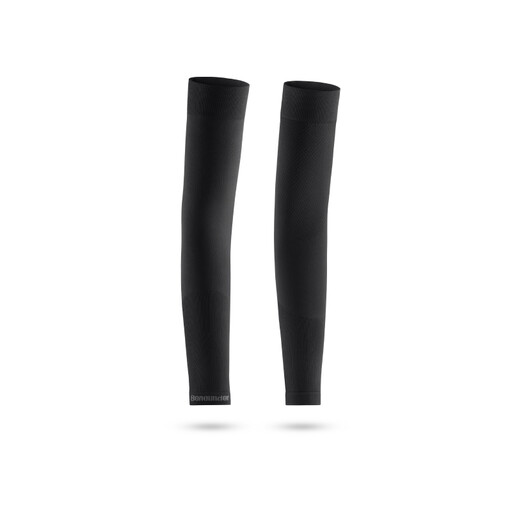
Why this choice suits this profile: With its size F and black colour, this versatile first pair works well for both urban commutes and occasional rides.
The product page clearly states the ES370 reference, the unisex model and size F: you can check these details before ordering instead of assuming a standard fit will suit everyone.
One size, unisex design and midnight black colour that's easy to match with cycling kit.
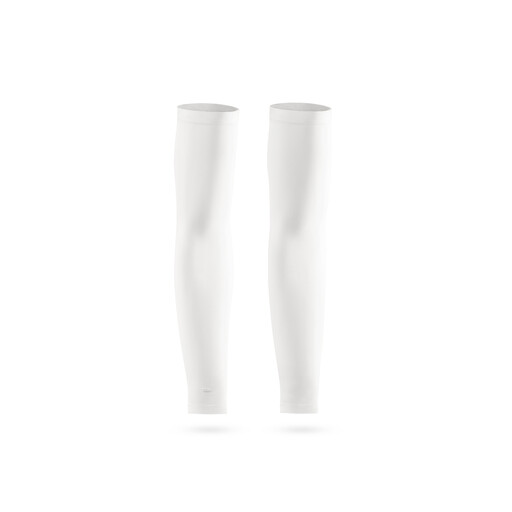
Why this choice suits this profile: The XL size is aimed at users who need a roomier fit, particularly for long rides or larger arms.
The XL size is included in the product name: this reference reduces the risk of choosing a one-size option without considering your build.
XL size and cool white colour, with the AL375 reference designed for cycling and outdoor activities.
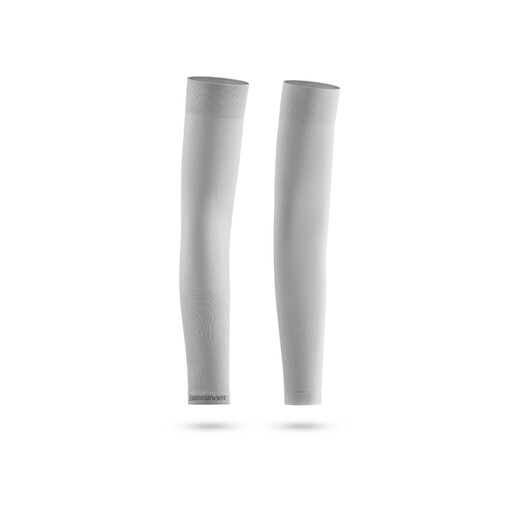
Why this choice suits this profile: Mist grey offers a discreet alternative to black for regular cyclists who want to vary their summer accessories.
Check the composition and UPF rating on the product page: a colour or stretchy material alone does not constitute a sun protection certification.
ES370 reference, unisex model and size F: a combination suited to those looking for versatile arm protection.
Why this choice suits this profile: The soft white colour pairs easily with a light-coloured outfit and works well for daily cycling commutes.
Size F is explicitly stated: check your arm circumference before buying and don't rely solely on the colour or the promise of sun protection.
ES370 unisex model, one size and soft white colour for everyday use.
We've compiled a full selection, updated in real time, of products that meet these demanding criteria and European safety regulations.
How long a pair lasts depends on how often you ride, how you wash them and the friction from your jersey or other gear. To preserve their elasticity:
Replace the sleeves when the fabric has become noticeably loose, when they regularly slip down, or when certain areas start to thin out. A worn sleeve can still feel soft to the touch while no longer covering your arm properly.
No. They cover your arms, but leave other areas exposed and don't always allow you to confirm a UPF rating. Check the product's technical specifications and adapt your protection to the duration and conditions of exposure.
Measure your arm circumference and compare it with the information provided. The sleeve should stay in place without compressing too much. If it slips from the first movement, its size or fit probably isn't right for your build.
Yes, if their material, fit and care routine match your usage. For daily commutes, choose a model that's easy to put on, stretchy enough and compatible with your outfit. Also remember to wash them regularly to prevent sweat build-up.