
Livraison le jour même ou le lendemain

Qualité garantie

Débloquez vos offres de bienvenue: Livraison GRATUITE | Jusqu'à -80 % | 30 jours d'essai gratuits à JoyPlus
Téléchargez l'application
Is your drawer overflowing with tangled cables that charge at a snail's pace or have simply given up the ghost? Don't worry, it's a common problem. The world of USB-C cables can be dizzying, with a jungle of standards, power ratings, and connectors. Making the wrong choice doesn't just slow down your device's charging; it can also cause damage.
Our goal? To help you make sense of it all. As the Head of Product Recommendations at Joybuy, I'll guide you step-by-step to find the perfect USB-C fast charging cable for your needs, whether you're looking to power your smartphone, tablet, or laptop.
Before diving into our top picks, let's review the key points to check to ensure you make the right choice.
Power, measured in watts (W), is the most critical factor for fast charging. Your cable must be able to handle the maximum power output of your charger and the maximum power input of your device.
While USB-C has established itself as the new standard, the connector on the other end of the cable can vary.
A cable gets used, bent, and coiled—in short, it's put through its paces daily. It's worth investing in a durable braided cable made of nylon or composite materials. Some manufacturers even guarantee resistance to tens of thousands of bends.
The environmental argument is also an increasingly important factor. An eco-friendly cable, made from bio-based or recycled materials, is a more sustainable alternative that doesn't sacrifice performance.
We've selected three cables that meet specific needs, combining high performance with thoughtful design.
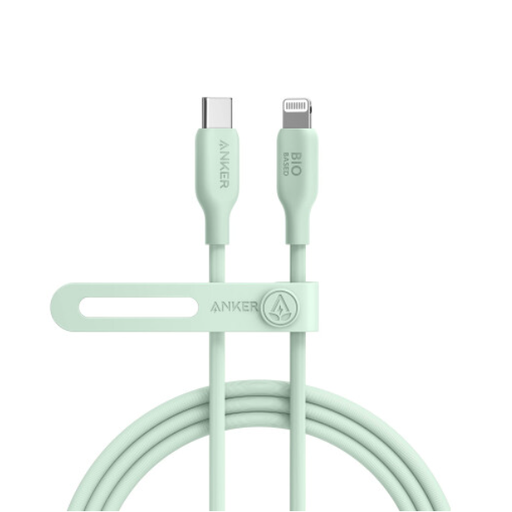
Why it stands out: This cable combines performance with an eco-conscious design. Its outer sheath is made from plant-based materials (corn, sugarcane), making it a top choice for anyone looking for an eco-friendly cable.
Advantages:
Who is it for? For owners of iPhones (up to model 14) or iPads with a Lightning port who want a USB-C to Lightning cable that is reliable, robust, and better for the planet.
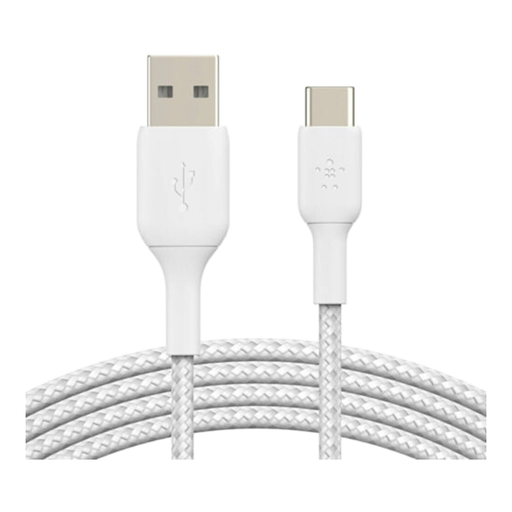
Why it stands out: The Belkin USB-C cable is the ideal, sturdy bridge between your new devices and older power sources. Its USB-IF certification is a mark of compliance and safety, ensuring it works flawlessly.
Advantages:
Who is it for? For anyone who needs a durable braided cable to connect their new USB-C devices to chargers or computers still equipped with USB-A ports.
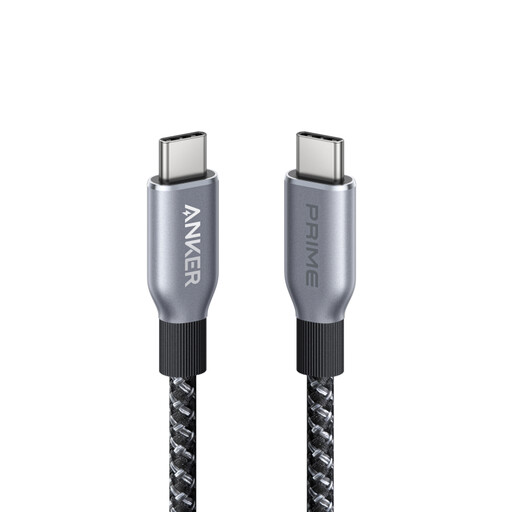
Why it stands out: This cable is simply built for raw performance. With its 240W capability, it's ready to power the most demanding devices, from high-performance laptops to future high-end smartphones.
Advantages:
Who is it for? For mobile professionals, content creators, and tech enthusiasts who juggle power-hungry devices and for whom every minute of charging counts. This is a future-proof investment.
Our selection covers the main needs, but you might have specific requirements. A different length, a particular colour, another combination of connectors? Other options are available.
Explore our complete collection to find the cable that perfectly matches your devices. Discover All Our Type-C and USB Cables
The difference comes down to the internal components. A USB-C fast charging cable includes thicker copper wires and, crucially, an electronic chip (E-Marker). This chip communicates with the charger and the device to safely negotiate the maximum charging power, using protocols like USB Power Delivery (PD). A standard cable, lacking this chip or equipped with thinner wires, will throttle the power and thus slow down the charge.
Absolutely not. Charging is a smart process: the charger, the cable, and your device communicate constantly to agree on the power to be delivered. Using an overpowered cable like an Anker 240W cable with a smartphone limited to 30W is completely safe. The device will only "request" and receive the 30W it needs.
Yes, and this is a crucial point. MFi (Made for iPhone/iPad/iPod) certification is your best guarantee of quality and safety. An MFi-certified cable contains an Apple authentication chip that ensures perfect compatibility, saving you from the infamous "Accessory not supported" error messages. Most importantly, it protects your device from the risks of overvoltage or overheating that can be caused by poorly made cables.