
Livraison le jour même ou le lendemain

Qualité garantie

Débloquez vos offres de bienvenue: Livraison GRATUITE | Jusqu'à -80 % | 30 jours d'essai gratuits à JoyPlus
Téléchargez l'application
USB-C is now everywhere, from our smartphones like the iPhone 17 or Samsung Galaxy to our laptops such as the MacBook Pro. Yet, finding a simple USB-C to USB-C cable can often be a headache. Between promises of "ultra-fast charging" and sheaths that fray in a few months, it's easy to make the wrong purchase.
As the Head of Product Recommendations at Joybuy, my mission is to help you see things more clearly. Let's cut through the marketing jargon and get to the facts. Here are the pitfalls to avoid and the essential criteria for making the right choice, every time.
A bad cable isn't just frustrating: it can throttle your charging speed or, worse, damage your devices. Watch out for these three common traps:
To avoid these pitfalls, you just need to check three key parameters. They determine the performance, longevity, and convenience of your future cable.
This is the number one criterion. Power, expressed in watts (W), indicates how much energy the cable can carry. To take advantage of it, your charger and device must, of course, be compatible.
A cable's lifespan depends primarily on its construction.
Think about your daily comfort.
Here are a few options that meet distinct needs, taking into account our criteria for performance and reliability.
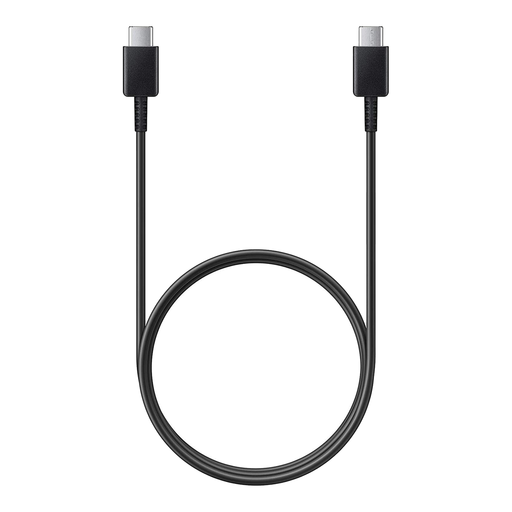
Why we recommend it: For owners of Samsung devices or other smartphones, this official cable is a safe bet. It's designed to work in perfect synergy with a Samsung charger and ensures fast, reliable charging for daily use.
It puts an end to the trap of vague performance. As an official product, its 25W power rating is guaranteed and perfectly matched to the brand's fast-charging protocols.
Guaranteed reliability and compatibility for devices supporting 25W charging. Lightweight and practical design for portability.
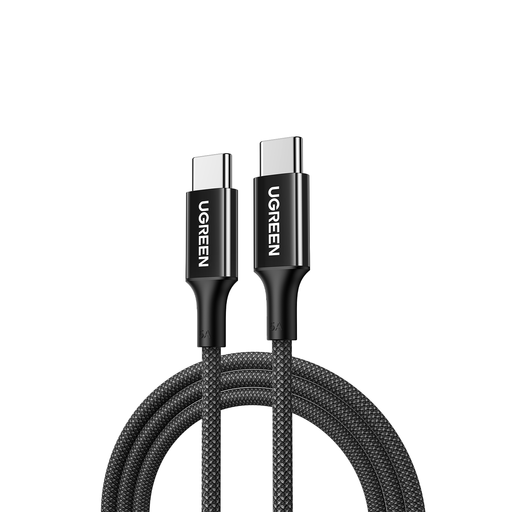
Why we recommend it: Perfect for professionals and students juggling a powerful laptop. Its 100W capacity and braided design make it a powerful, robust, and high-performance ally for charging a MacBook Pro or any other power-hungry device.
It directly tackles the pitfalls of insufficient power and false durability. The 100W rating is clearly specified, and the braided sheath is built to withstand heavy use.
Supports Power Delivery charging up to 100W. Braided nylon sheath for enhanced longevity and a 2-metre length for maximum convenience.
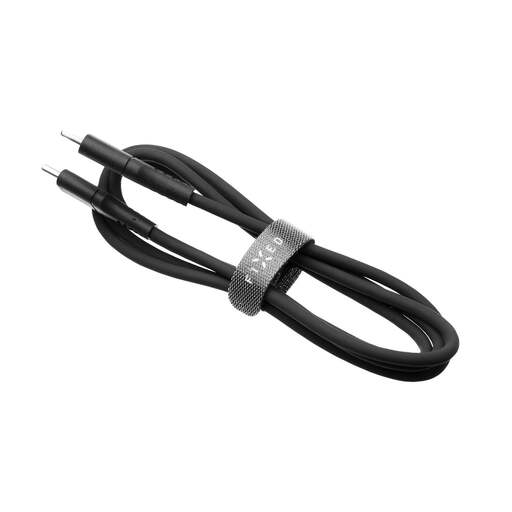
Why we recommend it: For anyone tired of stiff, tangled cables. Its 2-metre length and liquid silicone sheath offer remarkable flexibility and ease of use, whether on the sofa or at a desk.
It solves the problem of using the wrong cable for the job. Its long length and tangle-free flexibility make it infinitely more practical than a standard cable, which is often too stiff and too short.
Ultra-flexible, tangle-resistant silicone material. A comfortable 2-metre length and 60W power suitable for most devices.
We've put together a complete selection of cables that meet our quality criteria and safety standards.
No, rest assured. The charging system is intelligent. Thanks to the Power Delivery protocol, the charger, cable, and device communicate to determine the maximum power the device can safely accept. A 100W cable will only send 25W to a phone that cannot accept more.
It's hard to give a precise figure, but a braided USB-C cable is designed to better withstand the rigours of daily use (bending, twisting, friction). The nylon sheath protects the internal wires more effectively than a standard PVC sheath, so its lifespan is generally longer, especially if you're often on the move.
No, and this is a common trap. Most USB-C cables focused on charging are limited to the USB 2.0 (480 Mbps) standard. This speed is sufficient for basic syncing. If your work (video editing, photography, transferring large files) requires high speeds, you must opt for cables certified for USB 3.2 (5 Gbps or more) or Thunderbolt (up to 40 Gbps), which are logically more expensive. Always check this specification if data transfer is a priority.