
Livraison le jour même ou le lendemain

Qualité garantie

Débloquez vos offres de bienvenue: Livraison GRATUITE | Jusqu'à -80 % | 30 jours d'essai gratuits à JoyPlus
Téléchargez l'application
A fraying cable, a charge that never ends, a compatibility error message... Sound familiar? The switch to USB-C promised simplicity, but in the jungle of cables, not all are created equal. The wrong model can not only throttle your charging speed but also damage your valuable devices.
This guide is here to help you make an informed decision and choose a USB-C cable for fast charging that is both reliable and high-performing, whether for your iPhone 15, Samsung S25, or MacBook Pro.
Before diving into our top picks, let's review three essential criteria to ensure you make the right choice.
Charging speed doesn't just depend on the charger. The cable plays an equally crucial role. To take advantage of fast charging, your cable must be compatible with the Power Delivery (PD) protocol.
A 60W cable is a versatile choice. It will quickly charge most smartphones and tablets, and is even sufficient for powering many laptops like the MacBook Air or certain MacBook Pro models. This saves you from juggling multiple cables.
The stock cables that come with our devices, with their plastic sheaths, have a nasty habit of wearing out at the connectors. A durable braided cable, most often made of nylon, offers far superior longevity. These models are designed to withstand the twists, bends, and rough handling of daily use. A smart long-term investment.
A poor-quality cable can cause overheating or even short circuits. To protect your devices, choose a USB-IF certified cable. This certification, issued by the USB Implementers Forum, guarantees that the cable strictly adheres to all performance and safety standards. For Apple devices still equipped with a Lightning port, the equivalent is MFi (Made for iPhone/iPad/iPod) certification.
Let's get practical with a few models that caught our eye, selected for their performance, durability, and safety.
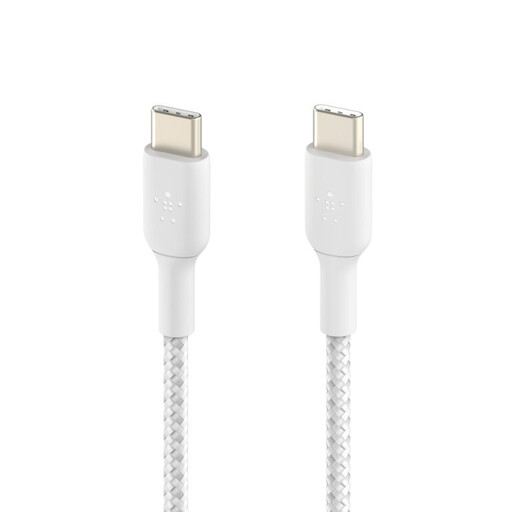
This USB-C to USB-C cable from Belkin is a reliable choice for your entire modern device ecosystem.
Even though the new iPhones have switched to USB-C, many of us still have Apple devices (iPhone 14 and older, certain iPads, AirPods) that use a Lightning cable.
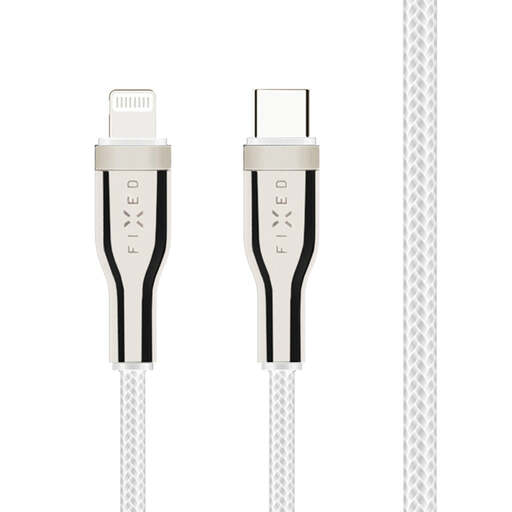
This cable bridges the gap between your older Apple devices and modern USB-C chargers.
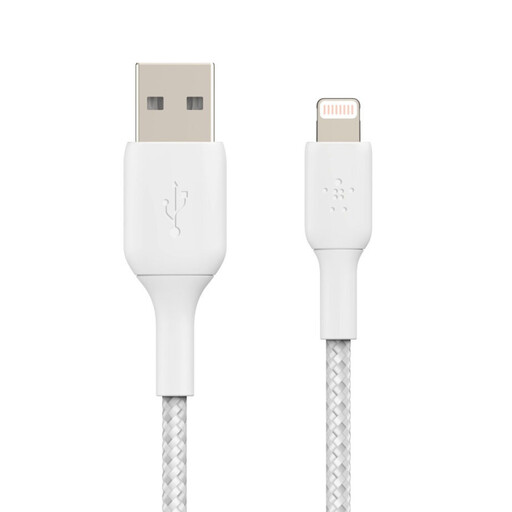
A solid option for those who still rely on classic USB-A chargers.
Not the right length, colour, or connector type? Don't worry, a multitude of other configurations are available. To explore more options, take a look at our complete selection.
? Discover Our Full Range of USB Cables
The main difference lies in the support for the Power Delivery (PD) protocol. A PD-compatible cable includes an electronic chip that communicates with the charger and the device to negotiate the fastest and safest charging power. A standard cable, without this chip, will be limited to a much slower charging speed.
No, there's absolutely no risk. Thanks to the Power Delivery protocol, a 60W cable can supply up to 60 watts, but it's your device (phone, tablet, etc.) that decides how much power it accepts. It will only "draw" what it needs (for example, 25W for a Samsung S25 smartphone), ensuring a charge that is both fast and safe.
Look for three key indicators: certification (USB-IF for USB-C, MFi for Lightning), materials (a braided nylon jacket is an excellent sign of durability), and the brand's reputation. Reputable brands like Belkin invest in rigorous testing to guarantee the safety and performance of their products.