
Livraison le jour même ou le lendemain

Qualité garantie

Débloquez vos offres de bienvenue: Livraison GRATUITE | Jusqu'à -80 % | 30 jours d'essai gratuits à JoyPlus
Téléchargez l'application
By Joybuy, Product SpecialistPublished July 28, 2026
Is your smartphone charging at a snail's pace? Is your laptop cable fraying after just a few months? With a jungle of standards, power ratings, and materials, choosing the right USB-C cable for fast charging can quickly become a headache. Between Power Delivery, different wattages (60W, 240W), and promises of durability, it's easy to get lost.
As a Product Specialist at Joybuy, my mission is to help you make sense of it all. This guide demystifies the key technical specs and presents a selection of reliable, high-performance cables designed for real-world use, like charging your iPhone 16, Samsung S24, or MacBook Pro.
Before diving into our top picks, here are the key things to check to make the right choice for your devices and your needs.
Power, measured in watts (W), determines how fast your device can recharge. To take advantage of fast charging, your cable, charger, and device must all support the same standard, the most common of which is Power Delivery (PD).
A cable is an accessory that's constantly handled, bent, and transported. Its construction is therefore critical.
The key advantage of USB-C is its universality. A USB-C to USB-C cable is now the standard for the vast majority of modern devices. However, a few exceptions remain. If you still own devices with a Lightning port (older iPhones, certain iPad or AirPods models), a cable with an MFi-certified (Made for iPhone) USB-C to Lightning adapter is a smart, versatile solution.
To help you find the ideal model, we've selected three options that stand out for their reliability, performance, and unique features.
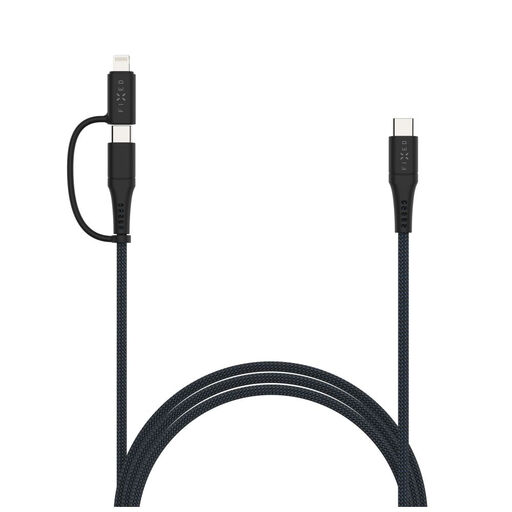
Why it stands out: This is the Swiss Army knife of cables. Its integrated, MFi-certified Lightning adapter makes it an all-in-one solution for those who juggle between the Apple ecosystem and Android or PC devices.
Key Features:
Who is it for? For those who own both an iPhone (or AirPods with a Lightning port) and newer USB-C devices (like an iPad Pro, an Android smartphone, or a laptop).
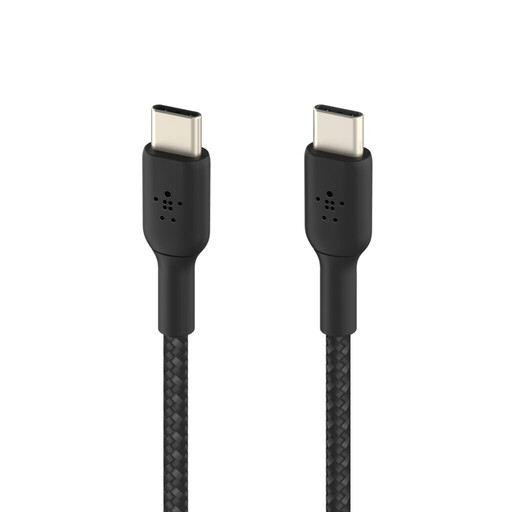
Why it stands out: Its ruggedness and ultra-compact design. According to Belkin, it's built to withstand over 30,000 bends, making it a highly durable travel companion.
Key Features:
Who is it for? For frequent travellers and adventurers looking for a short, ultra-durable, and reliable cable to charge their devices on the go without the clutter.
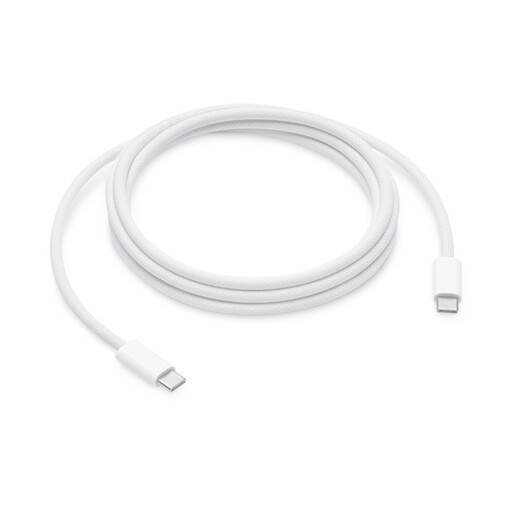
Why it stands out: Its maximum charging power. With its 240W capability, it's built to power the most demanding devices, especially high-end laptops.
Key Features:
Who is it for? For owners of a MacBook Pro or any other powerful USB-C laptop who want maximum charging speed in a cable that's built to last.
Our selection covers a variety of needs, but the world of accessories is vast. If you're looking for a different length, a specific colour, or other features, many other solutions are available.
? Explore our full collection of power cables and connectors on Joybuy.fr to find the perfect match.
1. What's the difference between a 60W and a 240W USB-C cable? The difference lies in the maximum power they can deliver. A 60W cable is perfect for smartphones, tablets, and small laptops. A 240W cable is necessary to charge the most powerful laptops (e.g., a 16-inch MacBook Pro) at full speed. Using a 240W cable on a smartphone is completely safe, as the device will only draw the power it needs.
2. Is a braided USB-C cable really more durable? Yes, generally. The braided sheath, made of nylon or another fabric, protects the internal wires from repeated bending and abrasion, which are the main causes of cable wear and failure. It's an excellent indicator of longevity, especially if you frequently travel with your cable.
3. Can I use any USB-C cable for my iPhone 16? Yes, the iPhone 16, like the iPhone 15, uses a standard USB-C port. You can therefore use any USB-C to USB-C cable to charge it and transfer data. For fast charging, pair it with a Power Delivery-compatible charger of at least 20W.