
Livraison le jour même ou le lendemain

Qualité garantie

Débloquez vos offres de bienvenue: Livraison GRATUITE | Jusqu'à -80 % | 30 jours d'essai gratuits à JoyPlus
Téléchargez l'application
USB-C has established itself as the universal connector for the vast majority of our electronic devices, from smartphones like the iPhone 16 to laptops like the MacBook. But be warned: not all cables are created equal. A poor-quality model can not only throttle charging speeds but also wear out incredibly quickly and leave you stranded at the worst possible moment.
This guide is here to help you make sense of it all. We'll break down the essential criteria for choosing a USB-C to USB-C cable that is both high-performing and durable, before presenting a selection of models that meet different needs and budgets.
Before you dive in, let's review the three features that separate a great cable from one to avoid.
This is arguably the number one criterion: the maximum power, expressed in watts (W), that the cable can handle. This capacity is directly linked to Power Delivery (PD) technology, which orchestrates both fast and smart charging.
Always check the maximum power supported by your device and charger to ensure perfect compatibility.
A cable goes through a lot. It gets bent, coiled, and tossed into the bottom of a bag. Its durability isn't an option—it's a necessity.
A braided USB-C cable, typically made of nylon, offers far better resistance to fraying and twisting than standard plastic models. Manufacturers often state the number of bends a cable can withstand, which is an excellent indicator of its longevity. Investing in a durable USB-C cable ensures long-term peace of mind.
Here is our selection of models that caught our eye for their performance, reliability, and unique features.
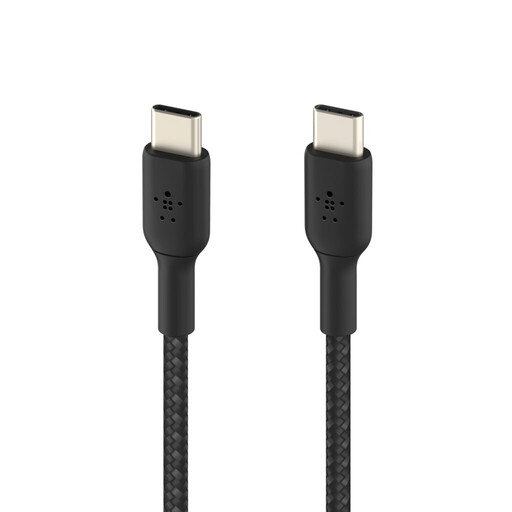
Why we like it: The Belkin BoostCharge Pro is the perfect everyday companion. It combines a 60W charging power, ideal for smartphones and tablets, with a robust design and an eco-conscious touch. Belkin states the jacket is made with 95% post-consumer recycled plastic.
Pros:
Who is it for? For anyone looking for a reliable and durable replacement for their original cable, with an eco-conscious streak. It's perfect for quickly charging a smartphone, tablet, or even a power-efficient ultraportable.
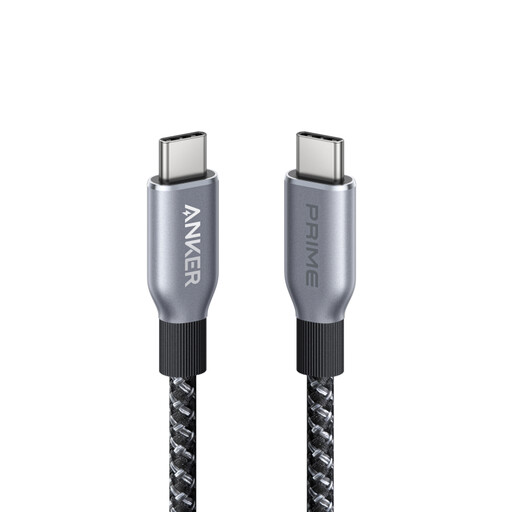
Why we like it: With its 240W of firepower, the Anker Prime is aimed at the most demanding users. It can power the most powerful laptops on the market at their maximum speed, slashing charging times. Anker also promises exceptional durability, with a claimed resistance to over 300,000 bends.
Pros:
Who is it for? For professionals, creatives, and tech enthusiasts with high-performance laptops. For anyone who wants to make no compromises on charging speed. It's the smart investment for those who need all available power, without the wait.
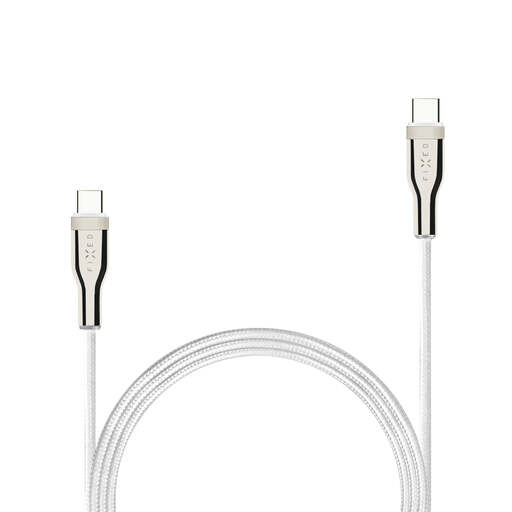
Why we like it: The FIXED cable is the ultimate all-rounder. Its 100W power allows it to quickly charge most USB-C laptops (including MacBook Air and Pro models), while remaining perfectly suited for tablets and smartphones. Its 1.2-meter length, slightly longer than standard, offers a welcome extra bit of flexibility.
Pros:
Who is it for? For the user seeking a single, versatile cable that can adapt to all their USB-C devices. If your goal is to simplify your setup and carry just one "do-it-all" cable, this is a very smart choice.
Our selection covers the most common needs, but you might be looking for a specific length, color, or power rating. If you haven't found what you're looking for, don't worry—other solutions are available.
Explore our full range of charging accessories to find the perfect cable.
For a smartphone or tablet, a 30W to 60W cable is sufficient to take advantage of fast charging. For a laptop, aim for at least 60W. A 100W cable is a very versatile choice that will cover the majority of needs. For the most powerful machines, a 140W or 240W cable will be essential to achieve optimal charging speed. In any case, refer to your device's spec sheet.
Yes, and the difference is often striking. The braided jacket (made of nylon or another fiber) protects the internal wires much better from daily wear and tear, such as repeated bending and twisting. It prevents fraying near the connectors, which is the number one weak point of standard plastic cables and the most common reason they are discarded.
Absolutely not. For the fast-charging magic to happen, a trio of components must be perfectly aligned: your device (smartphone, PC, etc.), your wall charger, and, of course, your USB-C to USB-C cable. The cable must explicitly state its compatibility with the Power Delivery (PD) standard and be able to handle the required power. A low-end cable without this certification will only charge your device at a standard, or even slow, speed.