
Livraison le jour même ou le lendemain

Qualité garantie

Débloquez vos offres de bienvenue: Livraison GRATUITE | Jusqu'à -80 % | 30 jours d'essai gratuits à JoyPlus
Téléchargez l'application
USB-C has established itself as the universal connector for nearly all our devices, from the iPhone 16 and MacBook to tablets and gaming consoles. However, choosing a simple USB-C to USB-C cable can quickly become a headache. Between promises of "ultra-fast" charging and cables that fray after just a few weeks, it's easy to make the wrong choice. As tech experts, our mission is to help you cut through the confusion. Let's break down the pitfalls to avoid and the essential criteria for a successful purchase.
Marketing is often misleading. Here are three common mistakes that cost you time and money.
To avoid these traps, focus on three objective technical specifications.
Power, measured in watts (W), is the name of the game: it determines how fast your devices recharge. But be warned, for the magic to happen, the entire chain must be compatible with the Power Delivery (PD) standard: your device, your charger, and of course, your cable.
A cable's lifespan is directly linked to the quality of its materials. A durable USB-C cable is almost always a braided USB-C cable.
Don't underestimate cable length; it should be tailored to your habits.
To put theory into practice, here is our selection of cables that meet specific needs.
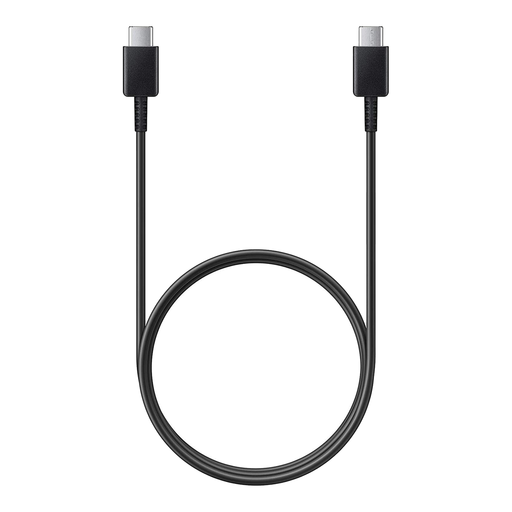
Why we chose it: For those seeking a reliable, no-frills cable for daily smartphone or tablet charging. It offers the quality and compatibility of an official accessory at an affordable price.
It's completely transparent, clearly stating its 25W power output. Goodbye to the vague 'fast charging' marketing trap. This is the perfect power level for modern smartphones, without making you overpay for capacity you don't need.
Guaranteed reliability and compatibility for Samsung devices and other standard USB-C gadgets. A simple and effective choice.
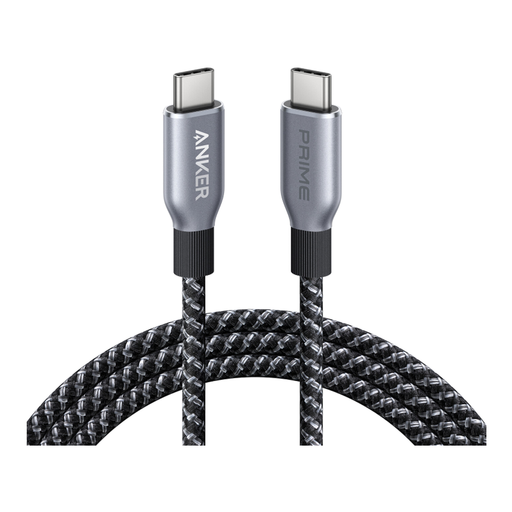
Why we chose it: For pros and power users with demanding devices like a MacBook Pro who refuse to compromise on speed, durability, or even environmental impact.
It tackles the durability trap head-on. Its braided sheath, made from recycled materials, is designed to withstand over 35,000 bends, according to Anker. This is a true long-term investment.
A colossal charging power of 240W (PD 3.1), ready for the devices of today and tomorrow, combined with a durable and eco-conscious design.
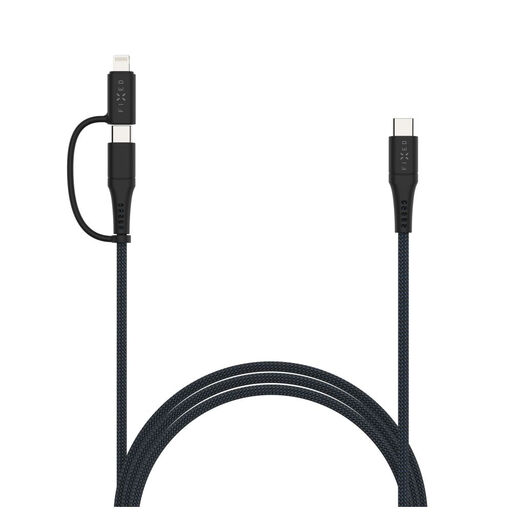
Why we chose it: The Swiss Army knife for nomads still juggling older Apple devices (Lightning) and modern gear (USB-C). One cable to charge everything, with an ultra-convenient length.
It solves the 'false universality' problem by integrating an MFi-certified Lightning (Made for iPhone) adapter. This guarantees perfect compatibility and safety with Apple devices, in addition to its native USB-C connectivity.
The 2-in-1 versatility (USB-C and Lightning) and a generous 3-metre length provide maximum convenience in any situation.
We have compiled a complete, up-to-date list of products that meet our strict selection criteria and safety standards.
It all depends on the most power-hungry device you plan to charge.
Yes, and the difference is often striking. A braided sheath made of nylon or other synthetic fibres protects the internal wires from bending, abrasion, and stretching far better than a standard plastic (PVC) jacket. It's a decisive factor if you travel frequently or are tired of cables giving up the ghost after just a few months.
Absolutely not. For fast charging to work, perfect harmony is required between three components: the device (smartphone, laptop), the wall charger, and the cable. A cable must be specifically designed to handle high power levels (the Power Delivery standard). A low-quality cable will act as a bottleneck, throttling your charger's power and significantly increasing charging time. Always check the maximum power (in W) supported by the cable.