
Livraison le jour même ou le lendemain

Qualité garantie

Débloquez vos offres de bienvenue: Livraison GRATUITE | Jusqu'à -80 % | 30 jours d'essai gratuits à JoyPlus
Téléchargez l'application
A cable that charges at a snail's pace, one that frays after just a few months, or one that simply isn't compatible with your new device... We've all experienced these frustratingly common situations. The arrival of USB-C promised simplicity, but today's market is a jungle of options with often misleading marketing claims. As a Product Specialist at Joybuy, my role is to help you navigate this overwhelming selection.
Before you make your choice, let's break down the two most common pitfalls that will cost you both time and money:
To make an informed choice, you just need to focus on a few objective technical details.
The best approach is to rely on technical specifications rather than marketing slogans. Here are the three crucial points to verify.
Power, measured in watts (W), determines how fast your device charges. But be aware, the cable isn't the whole story: the actual speed depends on the combination of "charger + cable + device".
Although the USB-C port has become the standard, the connectors on each end of the cable can vary.
A cable's lifespan depends directly on its construction.
Instead of an endless list, here is a curated selection for specific user profiles, all chosen based on our criteria for performance and durability.
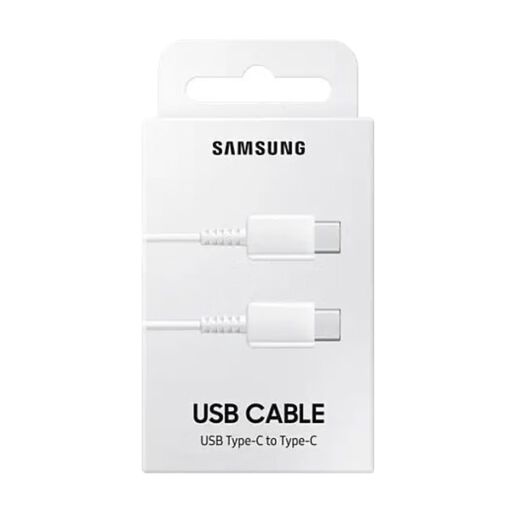
Why we chose it: For Samsung smartphone or other Android device users looking for a simple, reliable replacement cable for everyday charging, without needing extreme power levels.
This official cable is rated for 25W and is designed to deliver it stably. It avoids the trap of vague "fast charging" claims by clearly specifying its capacity, ensuring optimal compatibility and safety for its intended devices.
The reliability and compliance of a trusted brand. Its lightweight design and 1m cable length are practical for use at home and in the office.
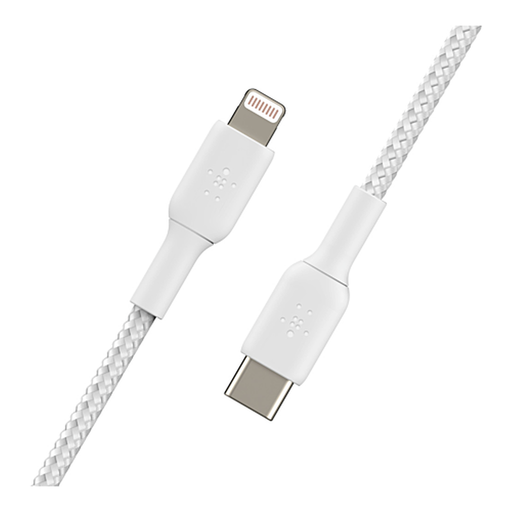
Why we chose it: Ideal for owners of iPhones (models 8 to 14) who want a more durable alternative to the original cable, while ensuring fast charging and perfect compatibility with the Apple ecosystem.
Its braided nylon jacket and reinforced connectors tackle the fragility pitfall head-on. Furthermore, its MFi (Made for iPhone) certification guarantees compliance with Apple's performance standards, protecting you from the compatibility issues and slow charging typical of non-certified cables.
MFi certification for complete peace of mind and enhanced durability thanks to its braided cable design, tested to withstand over 10,000 bends.
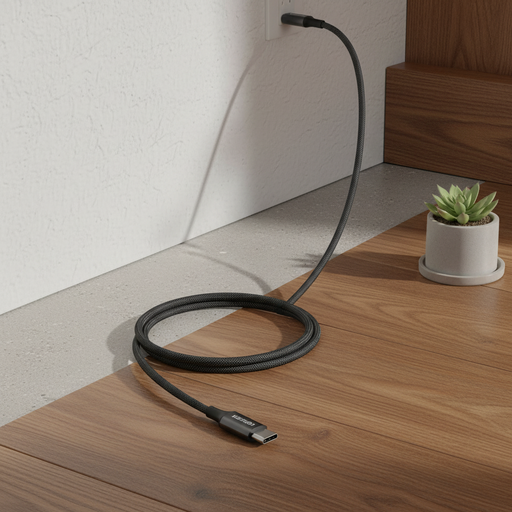
Why we chose it: For the user who juggles multiple power-hungry devices (MacBook, PC laptop, tablet) and needs a single, versatile, and robust cable capable of delivering maximum power.
This 100W cable is explicitly designed to handle high power, thus avoiding the pitfall of underpowered cables that throttle laptop charging. Its built-in E-Marker chip ensures perfect communication with the charger to safely deliver the required power.
Its high 100W power rating, compatible with Power Delivery, allows it to fast-charge even the most demanding laptops. Its braided construction ensures great durability, even with heavy use.
We have put together a complete, up-to-date selection of products that meet our strict selection criteria and current safety standards.
A 60W cable is more than enough for fast-charging most smartphones and tablets. However, many laptops, like the MacBook Pro, require higher wattage (often between 65W and 100W) to charge at full speed. Using a 60W cable on such a laptop will work, but charging will be much slower, and may even be insufficient if you are using the device intensively at the same time. A 100W cable therefore offers far greater versatility.
Generally, yes. The braided jacket provides better protection for the internal wires against wear and tear from friction and repeated bending, making it ideal for on-the-go use (in a bag, while travelling). However, the overall durability also depends on the quality of the connectors. A good braided cable must have reinforced joints for maximum longevity.
Technically, yes, any USB-C to USB-C cable will work to charge an iPhone 15. However, to ensure optimal charging speed and preserve your battery's health, it is highly recommended to use a cable from a reputable brand (like Belkin, Samsung, UGREEN, or Apple) that complies with USB-IF (USB Implementers Forum) standards. These certified cables ensure that power is delivered correctly, without risk of overheating or damage to your device.