
Livraison le jour même ou le lendemain

Qualité garantie

Débloquez vos offres de bienvenue: Livraison GRATUITE | Jusqu'à -80 % | 30 jours d'essai gratuits à JoyPlus
Téléchargez l'application
Fed up with traffic jams, packed public transport, and sky-high fuel costs? The electric-assist bike (e-bike) is emerging as the ultimate urban mobility solution. Efficient, sustainable, and enjoyable, it has it all. The only catch: with an overwhelming number of options on the market, how do you make the right choice?
Our mission at Joybuy is to empower you with clear, objective information. This guide is designed to demystify the technical features that truly matter and help you find the urban e-bike that meets your real-world needs, cutting through the marketing jargon.
Before comparing models, it's crucial to understand three elements that will shape your daily riding experience.
The motor's position is the heart of the system! It determines the feel and handling of your e-bike.
The system that transfers your power (and the motor's) to the rear wheel is a decisive factor for your comfort and peace of mind.
Here are three models that cater to different profiles, selected for their technical relevance and suitability for urban and suburban use.
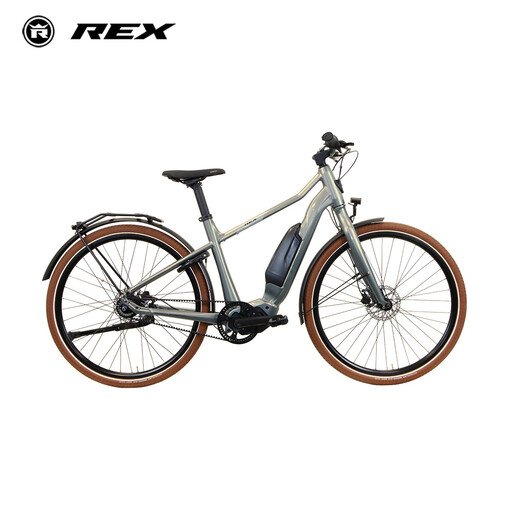
Why it stands out: It's the winning combination for the city: a reliable Shimano mid-drive motor paired with a maintenance-free Gates belt drive. The epitome of peace of mind.
Advantages:
Who is it for? The discerning commuter who wants a "zero-hassle" solution: a reliable, quiet commuter bike that requires almost no maintenance.
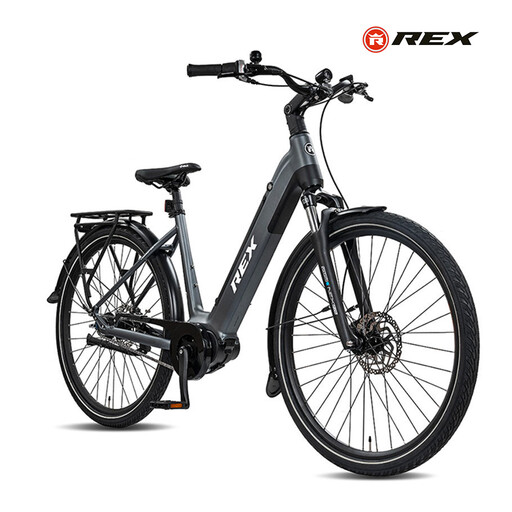
Why it stands out: Power meets comfort. Its generous motor torque and step-through frame make it the perfect ally for hilly cities and for cyclists who refuse to compromise on ease of use.
Advantages:
Who is it for? Those who prioritise ease of use and a step-through frame, while also wanting powerful assistance to climb hills without breaking a sweat.

Why it stands out: The versatile adventurer. With its large 29-inch wheels and 21 speeds, it's as comfortable on tarmac during the week as it is on towpaths at the weekend.
Advantages:
Who is it for? The cyclist looking for a lightweight and versatile trekking e-bike for daily commutes and weekend getaways, all at a budget-friendly price.
The perfect bike is one that's tailored to you. If our suggestions don't tick all the boxes or if you enjoy fine-tuning your gear, know that changing certain components can make all the difference.
Pedals, for example, are a crucial contact point that directly influences comfort and power transfer. A good pair, suited to your use, can transform your pedalling experience. Discover our selection of bike pedals to find your perfect match.
The range advertised by manufacturers is often calculated under ideal conditions. In reality, it depends on many factors: assist level, rider weight, terrain, wind, temperature... For an urban e-bike with a standard battery (400-500 Wh), you can expect a realistic range of 40 to 80 km. This is more than enough to cover several days of commuting.
Yes, let's be honest: an e-bike is heavier than a conventional bike due to the motor and battery. The average weight is between 20 and 27 kg. Once you're riding, this extra weight is completely offset by the assistance. However, it's something to consider if you live on the 4th floor without a lift or if you need to regularly lift it onto a bike rack.
Good news! In France, an electric-assist bike (e-bike) with a motor that does not exceed 250W and whose assistance cuts out at 25 km/h is legally considered a conventional bicycle. Therefore, you don't need a licence, registration, or a vehicle registration document. While third-party liability insurance is not mandatory, it is still highly recommended to cover you in case anything goes wrong.