
Livraison le jour même ou le lendemain

Qualité garantie

Débloquez vos offres de bienvenue: Livraison GRATUITE | Jusqu'à -80 % | 30 jours d'essai gratuits à JoyPlus
Téléchargez l'application
Whether you're on a bike, an electric scooter, or another Personal Mobility Device (PMD), zipping through the city means making zero compromises on safety. Choosing your urban bike helmet is more than just a formality?: it's a decision that impacts your protection, comfort, and even your style. But with a vast array of choices, how do you find the right one?
This guide is here to help you make sense of it all. We've broken down the essential criteria for you—safety, comfort, and features—so you can choose the perfect helmet for your daily commutes.
Before diving into our top picks, let's review the key points that will guide your decision.
A helmet's primary mission is obvious?: to protect your head. To be sure of its reliability, there's one simple rule?: check for the European EN 1078 standard. This certification guarantees that the helmet has successfully passed a battery of shock absorption and resistance tests. A certified protective helmet is therefore a non-negotiable prerequisite.
For even greater protection, some models incorporate MIPS (Multi-directional Impact Protection System) technology. This thin, low-friction inner layer allows for a slight movement of the head inside the helmet during an angled impact. The goal?? To better dissipate the rotational forces that would otherwise be transferred to the brain.
Let's be clear?: an uncomfortable helmet will end up collecting dust. To wear it every day, opt for a lightweight and well-ventilated helmet. The weight, expressed in grams, is an excellent indicator; a model around 400-500g often represents the ideal balance between sturdiness and lightness.
Ventilation is just as crucial, especially in the summer. A generous number of vents ensures good air circulation and wicks away sweat. Finally, a precise adjustment system (rear dial, adjustable straps) is essential to ensure the helmet stays perfectly in place without ever creating uncomfortable pressure points.
The urban jungle has its own rules. The first one?: be seen. Day or night, visibility is your best ally. An LED bike helmet with integrated front and rear lights will make you much more visible to other road users. This is a decisive advantage, whether you're on a bike or an electric scooter.
A helmet with a visor, on the other hand, acts as a real shield against wind, rain, insects, and debris. Whether it's clear, tinted, or even photochromic, it transforms your riding experience, no matter the weather.
Our editorial team has scoured the market to bring you a selection of three standout helmets, each catering to specific needs and priorities.
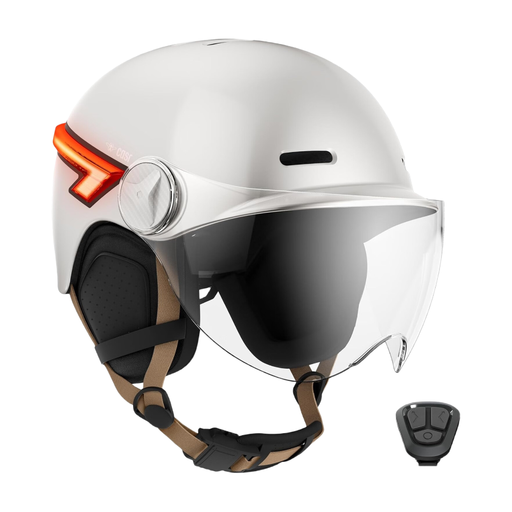
Why It Stands Out This model is distinguished by its unique design, featuring a translucent shell and a 360-degree LED lighting system. The light diffuses through the structure to create a halo that's visible from a great distance, providing outstanding active safety at night or in rainy weather.
Key Strengths
Who Is It For?? For cyclists and scooter riders who want maximum visibility without sacrificing style, and who often ride at night or in low-light conditions.
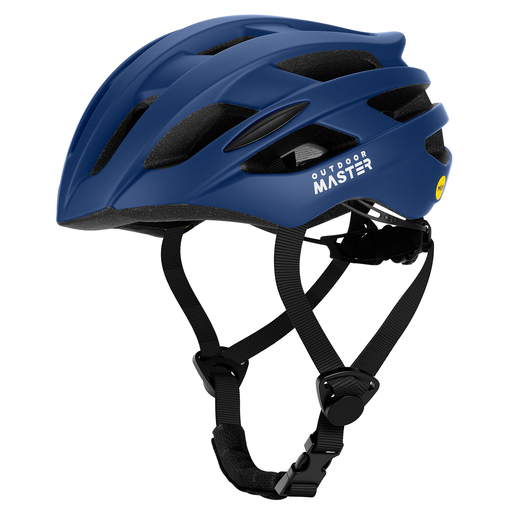
Why It Stands Out The integration of MIPS technology makes this helmet a top choice for those who place safety at the very top of their priorities. Designed to reduce rotational forces during certain impacts, it offers protection that goes beyond conventional standards.
Key Strengths
Who Is It For?? For bike commuters and daily riders who clock up miles in dense urban environments, and for whom advanced protection technology like MIPS isn't an option, but a requirement.
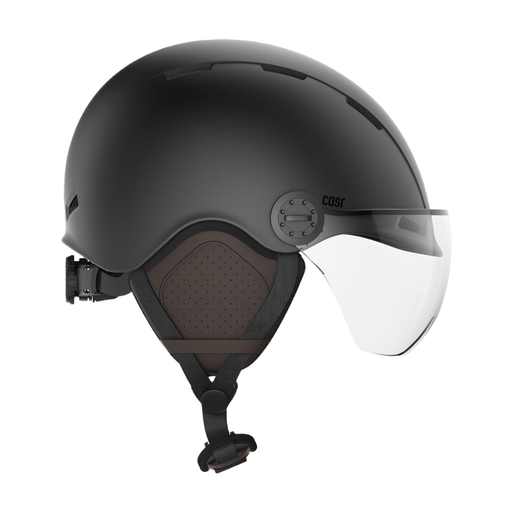
Why It Stands Out This helmet is all about versatility and comfort. Its key feature is a panoramic clear visor that effectively protects from wind and debris, combined with removable ear covers to adapt to weather conditions from summer to winter.
Key Strengths
Who Is It For?? For those who ride in all weather, all year round, and are looking for an ultra-practical, comfortable, and modular helmet with a visor to tackle any forecast.
Our selection highlights three models with distinct profiles. To go further and find the perfect helmet that perfectly matches your expectations, feel free to browse our complete collection.
? Discover All Our Urban Mobility Helmets
1. What is the lifespan of a bike helmet?? It is recommended to replace your helmet every 3 to 5 years, even with no apparent impact. Over time, materials like EPS foam degrade due to UV rays, sweat, and temperature changes, which reduces their shock-absorbing capabilities. And of course, it is imperative to replace it immediately after any impact, even if no damage is visible.
2. Is wearing a helmet mandatory on an electric scooter?? In France, wearing a helmet is mandatory for riders of electric scooters and other PMDs only outside of built-up areas. In the city, it is not legally required, but it remains more recommended than ever for your safety. In the event of a fall, the head is the most exposed part of the body.