If your priority is to cut down on fat for Friday-night drinks and nibbles, compare the amount per 100 g rather than relying on terms such as “dried fruit and nuts” or “no added salt”. A fruity mix may be lower in fat than a nut mix, but it could also contain added sugar and oils. If salt matters more to you, look for a plain or no-added-salt option, then check its fat content and allergens separately.
Who are these options for?
You’re comparing fat content above all
If you want dried fruit or a crunchy mix to enjoy with drinks, check the grams of fat per 100 g. Product listings from Carrefour France and E.Leclerc show that ingredients and nutritional values vary from one mix to another.
You enjoy nuts but are keeping an eye on salt
You’re looking for plain or no-added-salt almonds, nuts or cashews, without assuming that this also means they’re lower in fat. Manger Bouger, an initiative by Public Health France, includes unsalted nuts in its dietary recommendations.
You need to check the ingredients
Sugar, oils, peanuts, tree nuts and possible traces can all affect which bag you choose. If an allergen is a concern, check the label of the product you’re actually going to serve.
What should you look at first?
For Friday-night drinks and nibbles, start with what matters most to you, then compare the figures per 100 g with the ingredients list on the same bag.
| What to check |
What to look for |
Who is this for? |
| Fat |
Compare the “fat” value per 100 g across mixes intended for the same occasion. |
I want a mix for drinks and nibbles, but don’t want to choose based on its fruity appearance alone: fat content is my top priority. Around 36% of consumers put this need first. |
| Salt |
Look for “no added salt” or “plain”, then check the salt value per 100 g. |
If I’m picking up nuts to nibble on Friday, salt is the first thing I want to check. This is the top priority for around 29% of consumers. |
| Added sugars and oils |
Read the ingredients list and the “sugars” value; look out for added sugar or oil. |
I’m interested in a dried-fruit mix, but want to know what’s been added to the fruit. Around 21% of consumers put this check first. |
| Allergens and product availability |
Check the allergens and any “may contain” information on the bag on offer; confirm the product reference with your store. |
If the product I planned to buy is replaced before drinks and nibbles, I need to be able to check the ingredients of the bag I actually buy. This is the top priority for around 14% of consumers. |
What should you watch out for?
-
Assuming “no added salt” means “lower in fat”
Product listings from E.Leclerc and Auchan France show 25 g of fat per 100 g for TOKAPI’s no-added-salt mix, 27 g for Juste Bio’s no-added-salt mix and 34 g for Bénénuts’ unsalted mix. The salt claim doesn’t tell you anything conclusive about the fat content.
Choose the factor that matters most to you first, then check both nutritional values separately.
-
Focusing only on the fat content of a fruity mix
The ingredients lists published by Carrefour France for Carrefour Sensation Cocktail Exotic and Vico Apérifruits Le Classique include sugar and oils. So a lower fat value doesn’t tell you everything about the recipe.
After comparing the figures per 100 g, check the sugars and any added ingredients.
-
Guessing allergens from the name or picture
A mix may contain several types of tree nuts as well as peanuts. The Directorate General for Competition Policy, Consumer Affairs and Fraud Control reminds shoppers that allergens in prepacked foods must be listed and clearly highlighted.
If you have an allergy, read the label and any “may contain” information on the exact product you buy, especially if you’re offered a different bag.
-
Planning to buy a bag without confirming which product is available
The product on offer may differ from the one you chose, depending on the store or collection method. E.Leclerc notes, in particular, that some of its products aren’t sold on its website.
Before Friday, confirm the product reference with your chosen store and check the label again if it’s substituted.
Brands to know
Carrefour / Carrefour Sensation
Carrefour Sensation’s range includes the Cocktail Exotic dried-fruit mix.
- Its Carrefour France listing gives a fat content of 19 g per 100 g.
- The recipe also contains sugar, cottonseed oil and coconut oil, so this figure alone isn’t enough to call the product “reduced fat”.
Vico Apérifruits
The Le Classique mix combines ingredients including raisins, almonds, pineapple and hazelnuts.
- The listing published by Carrefour France gives this product a fat content of 18 g per 100 g.
- Its ingredients list also includes sugar and sunflower oil; check the allergens on the bag.
TOKAPI / Marque Repère
The range includes a mix of dried fruit and nuts with no added salt, listed by E.Leclerc.
- E.Leclerc gives this product a salt content of 0.1 g per 100 g.
- The same listing gives a fat content of 25 g per 100 g. The recipe includes peanuts, sweetened dried fruit and sunflower oil.
Bénénuts
The unsalted mix listed by Auchan France combines raisins, almonds, cashews and Brazil nuts.
- Its listing gives a salt content of 0.02 g per 100 g.
- It also gives a fat content of 34 g per 100 g: “unsalted” alone doesn’t meet the needs of someone looking for a lower-fat option.
Alesto
Lidl’s range includes nuts and dried fruit, with plain options among the products.
- The range may appeal to shoppers looking for nuts without added seasoning.
- To compare a specific product, check its nutritional values, ingredients and allergens on the bag.
Chestnuts to consider for drinks and nibbles
These two bags from Joybuy contain chestnuts, making them worth considering if you’d like to serve something other than a mix of dried fruit and nuts. Before choosing one for Friday, compare the nutritional information and preparation instructions on each bag.
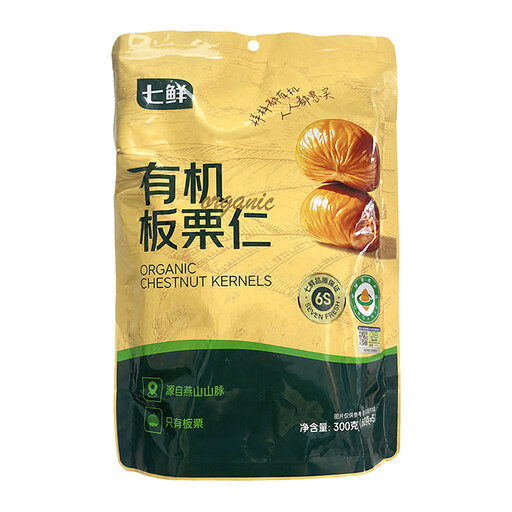 Image unavailable
7FRESH peeled chestnuts 300 g
If you’re thinking of sharing chestnuts with drinks and nibbles, this product comes in a 300 g bag. Before comparing it with a snack mix, check how it’s prepared, its nutritional information and allergen details on the packaging.
View on Joybuy
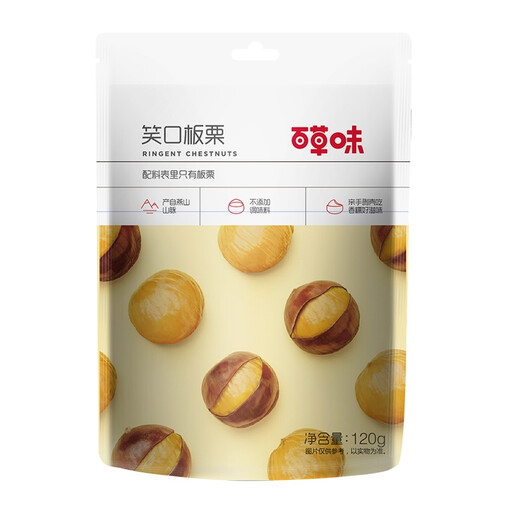 Image unavailable
Be&Cheery Smiling Chestnuts 120 g
If you’re looking for a 120 g bag of chestnuts to serve with drinks and nibbles, this is one to consider. Check the nutritional information, preparation instructions and allergen details for the product you receive.
View on Joybuy
Frequently asked questions
Is a dried-fruit mix automatically “reduced fat”?
No. The European Union regulates nutrition claims: a product’s aisle or an informal comparison between two bags isn’t enough to establish that it qualifies. When choosing, compare the fat content per 100 g first, and distinguish this figure from a claim on the packaging.
Why check the sugars if I’m looking for a lower-fat option?
Because these two details tell you different things about the recipe. Carrefour France’s listing for Carrefour Sensation Cocktail Exotic gives a fat content of 19 g per 100 g and lists sugar and oils among the ingredients. Consider both details before choosing this mix.
What should I choose if I mainly want to cut down on salt?
Look for plain nuts or a product specifically labelled “no added salt”, then check the salt value per 100 g. Manger Bouger, an initiative by Public Health France, includes unsalted nuts in its recommendations; this doesn’t mean that all these products are low in fat.
How can I check the allergens in a bag bought in France?
Read the ingredients list and any “may contain” information on the bag you’re buying, rather than relying on the details for a similar mix. The Directorate General for Competition Policy, Consumer Affairs and Fraud Control states that allergens must be listed and clearly highlighted on prepacked foods.


