Anyone who wants to plan their portion
You’d like to serve almonds during the match without eating straight from the bag. The energy content per 100 g helps you compare products; the amount you put in the bowl determines how much you serve.


For match night, compare almonds by their energy content per 100 g, then serve a set portion: ‘no added salt’ does not mean ‘low in calories’. Carrefour and Monoprix product listings show plain or unsalted options ranging from 579 to 640 kcal per 100 g. Check the ingredients too if you’d prefer a recipe with no added oil.
You’d like to serve almonds during the match without eating straight from the bag. The energy content per 100 g helps you compare products; the amount you put in the bowl determines how much you serve.
You’re looking for plain or roasted almonds with no added salt. Check the ingredients and nutrition information too: some roasted almonds contain oil, and no added salt tells you nothing about their calorie content.
Before putting a bag on the table, you want to check the ingredients, allergens and any ‘may contain’ warnings, then choose a way of serving that’s right for the people there.
When choosing almonds to share during a match, start with what matters most to you, then check the other details on the bag.
| What to consider | What to check | Who is it for? |
|---|---|---|
| Energy content | Compare the kcal per 100 g for almonds of the same type, then decide how much to serve. | If you want to keep the snack’s calorie content in check, you’ll need a reference point before filling the bowl. Around 42% of consumers rank energy content as their top concern. |
| Salt and recipe | Read the ingredients list and check the salt content; check the energy value separately. | You’d prefer a recipe with no added salt, but don’t want to assume it contains only almonds. This is the priority for around 25% of consumers. |
| Texture and sharing | Choose plain or roasted almonds depending on the texture you prefer, then check the net weight to plan how you’ll serve them. | For a snack with friends, you’re mainly looking for the right texture and a pack that’s easy to share out. Around 17% of consumers put this need first. |
| Serving safely | Check the allergens and any ‘may contain’ warnings on the packaging; adapt how you serve the almonds to suit your guests. | If the ingredients or whole almonds could be a concern for a guest, these checks come before choosing a texture. This is the main concern for around 16% of consumers. |
Auchan’s product listing for POUCE unsalted almonds gives an energy value of 585 kcal per 100 g. Salt and energy are two separate things.
Compare the kcal per 100 g for the specific product and prepare the amount you want to serve.
Auchan lists sunflower oil in the ingredients for its unsalted roasted Marcona almonds.
If you’re looking for a single-ingredient recipe, check the ingredients list rather than relying on the word ‘roasted’ alone.
Auchan’s product listing for roasted almonds with no added salt gives an energy value of 158 kcal per 25 g. When everyone is sharing from one bag, it’s harder to keep track of how much you’ve had.
Divide the almonds into bowls before the match starts.
A short ingredients list doesn’t mean you can skip checking for allergen or ‘may contain’ warnings. Whole almonds also need particular care when young children are present.
Check the packaging on the batch you buy and plan a way of serving that’s suitable for your guests.
The range includes plain almonds and roasted options with no added salt.
Monoprix lists unroasted, unsalted almonds from this range.
Monoprix lists a 250 g bag of roasted, shelled almonds with no salt.
Carrefour lists plain shelled almonds in a large bag.
Carrefour lists natural, unpeeled almonds in a 200 g bag.
If you’re looking for a bag to serve during the match, this selection features an almond and corn snack, not plain almonds. Don’t compare its energy value with that of almonds on their own as if they were the same recipe.
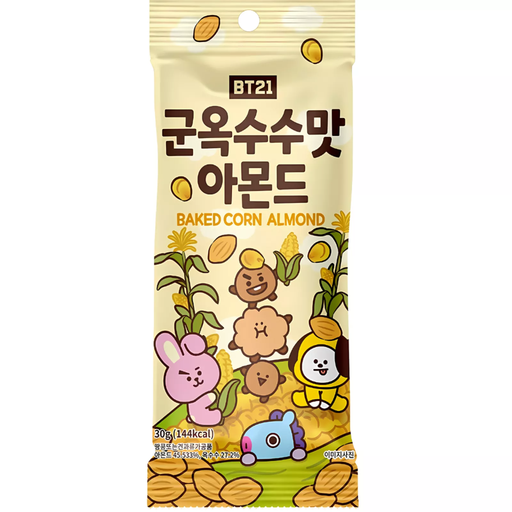 Image unavailable
This 30 g bag is a good choice if you’re after an almond snack that’s ready to serve during the match, rather than a large pack to portion out. The recipe also contains corn and sweetening ingredients. Check the packaging on the batch you buy if the ingredients or allergens will affect your choice.
Not necessarily. Carrefour’s product listing for Nut&Me natural almonds and Monoprix’s listing for Vico Natur’ & Bon unsalted almonds give energy values of 579 and 640 kcal per 100 g respectively. Compare the specific product and the amount you serve; don’t judge its energy content by the words ‘no salt’ alone.
Read the ingredients, allergens and any ‘may contain’ warnings on the packaging. To compare nutrition values, use the per-100 g information shown on pre-packed products; the DGCCRF reminds shoppers that allergenic ingredients must be clearly highlighted.
Whole almonds can pose a choking risk for young children. Before offering them during the match, check Manger Bouger’s guidance on whole nuts and choose a way of serving them that’s appropriate for the child’s age.