
Livraison le jour même ou le lendemain

Qualité garantie

Débloquez vos offres de bienvenue: Livraison GRATUITE | Jusqu'à -80 % | 30 jours d'essai gratuits à JoyPlus
Téléchargez l'application
The undated planner is the ultimate productivity tool for anyone seeking flexibility. Unlike a traditional planner, it lets you start whenever you want, adapt to projects with varying timelines, or simply take a break without wasting a single page. The problem: the market is flooded with models of wildly different quality, often hidden behind slick marketing. To avoid ending up with a notebook that's unusable after a few weeks, here’s how to spot the unforgivable flaws.
As a product expert at Joybuy, I analyze dozens of products every day. My mission: to help you cut through the clutter and find the organiser that will truly stay with you for the long haul.
Don't be blinded by a pretty design; it often hides deal-breaking flaws. Here are two common problems that can turn a good intention into a real disappointment.
To be sure you're making the right choice, scrutinise these three technical features.
Paper weight, expressed in grams per square meter (g/m?), is the number one indicator of paper thickness and opacity.
A 100g paper is therefore an excellent foundation for a personal journal or a weekly planner intended for daily use.
The ideal size will depend on your habits: are you more of a nomad or a desk-dweller?
A hardcover remains a key asset for longevity. It protects the pages, provides a stable writing surface even without a desk, and stands up much better to the rigours of transport.
The whole point of an undated planner is its adaptability. A well-designed layout should, at a minimum, offer:
Make sure the structure fits your organisational method, whether you prefer meticulous planning or the freer style of a bullet journal.
Here are a few models that check all our quality boxes, suited for different profiles.
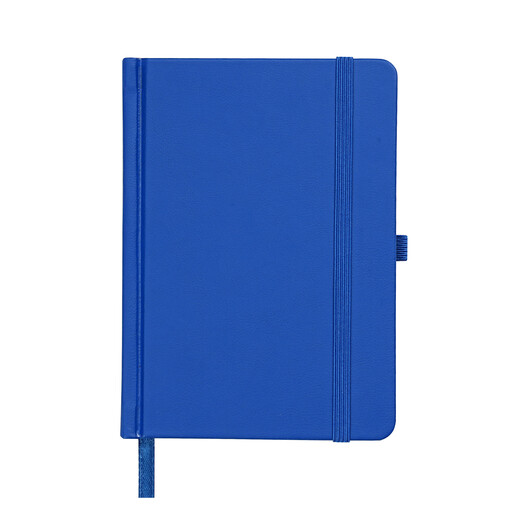
Why we chose it: The perfect companion for professionals and students who are always on the move. Its lined A6 notebook format is ultra-portable, while its sturdy cover and accessories (elastic band, pen loop) make it an all-in-one, ready-to-use tool.
Its PU hardcover easily withstands the rigours of transport, while its 100g paper protects you from bleeding and ghosting. Every page stays clean and legible.
Compact and clever with its integrated accessories (bookmark, elastic band, pen loop), it's the perfect tool for staying organised efficiently on the go.
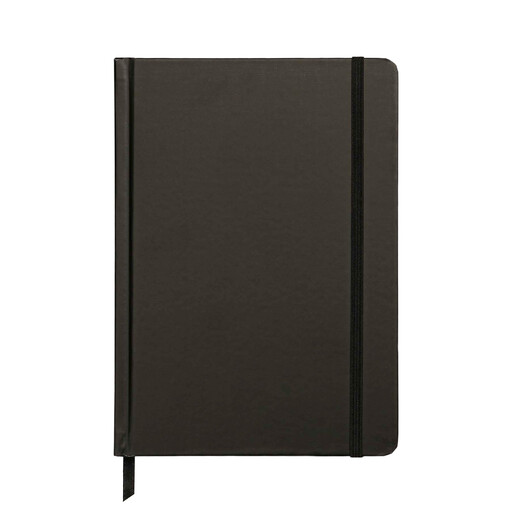
Why we chose it: Perfect for those who manage long-term projects or like to maintain a big-picture view. The A5 notebook format offers generous space, and its 18-month structure ensures continuous tracking without needing to switch planners.
Its hardcover is designed to go the distance for 18 months. The structured layout (monthly and weekly views) helps you avoid the trap of a planner that seems flexible but is impractical to use.
The combination of an extended planning period (18 months) and a spacious A5 format makes it a comprehensive productivity tool, ideal for office use.
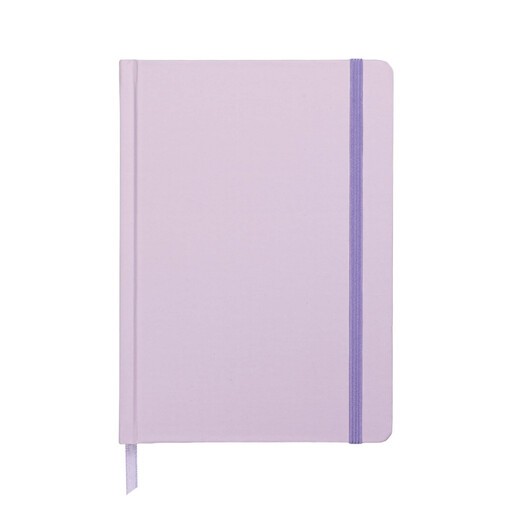
Why we chose it: For those who see their personal journal or planner as a true fashion accessory. This model combines a trendy colour with all the qualities of an excellent weekly planner, without ever sacrificing performance.
It doesn't just look good. Its cream-coloured 100g paper is a delight for both the eyes and the pen, while the hardcover ensures rock-solid protection.
The wide range of colours allows you to choose a planner that expresses your personality, all while benefiting from a high-performance organisational tool built to last.
Discover our complete selection of planners and notebooks, all approved by our experts according to these quality criteria.
That's the beauty of it: you start whenever you want! Open it to the first monthly view, write in the current month, and number the days. Do the same for the first weekly view. No need to wait for January or the start of a new school year to make good resolutions!
80g paper is thin and suitable for ballpoint pens, but ink from markers or fountain pens is very likely to show through. 100g paper is much more versatile and resists most inks without bleeding or ghosting, offering a far superior writing experience. 120g paper or higher is premium quality, ideal for calligraphy or drawing enthusiasts, or those who use highly saturated inks.
It all depends on your job. An A5 notebook is often preferred for office use, as it provides more space for project planning and taking notes in meetings. An A6 notebook is perfect for professionals on the go (salespeople, technicians, consultants) who need to take notes quickly without being weighed down.