
Livraison le jour même ou le lendemain

Qualité garantie

Débloquez vos offres de bienvenue: Livraison GRATUITE | Jusqu'à -80 % | 30 jours d'essai gratuits à JoyPlus
Téléchargez l'application
The urge to get organized can strike at any time. It might hit you in the middle of March after an intense project, or in September with the back-to-school buzz. The problem? Traditional planners lock us into a calendar that starts in January, forcing us to leave dozens of pages blank if we start mid-year. This is precisely where the undated planner is a game-changer.
Designed for maximum flexibility, it lets you start organizing whenever you feel ready, without wasting a single page. Whether you're a professional juggling multiple projects, a student balancing classes and exams, or a creative mind seeking structure for your ideas, the perpetual planner adapts to your unique rhythm. Follow our guide to find the perfect organizational notebook for you and discover our selection of the best models for 2026.
Before you dive in, let's review the essential criteria for finding the organizational companion that will never leave your side.
The choice of layout is crucial: it will dictate your day-to-day use.
A planner is an everyday object that takes a bit of a beating. Its size and the quality of its materials should not be overlooked.
The great advantage of a customizable planner is that it adapts to your organizational method, not the other way around. Look for the little extras that make all the difference:
To help you see more clearly, here is our selection of models, each with a distinct philosophy.
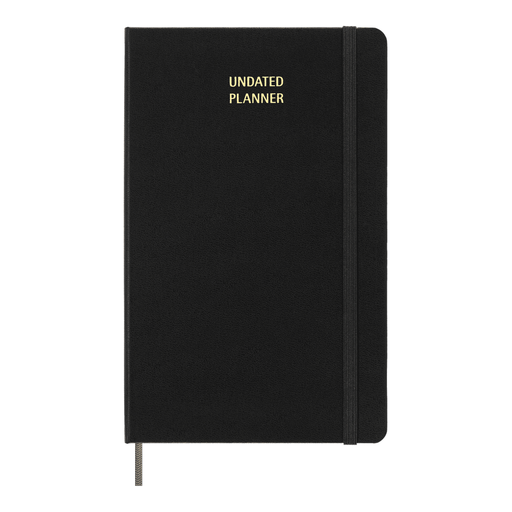
Why we love it
This Moleskine planner combines the brand's iconic design with total flexibility. Its secret? A well-designed two-page spread: the week on the left, and a lined note page on the right, perfect for to-do lists, sketches, or spur-of-the-moment ideas.
Key features:
Who is it for? Creatives, freelancers, and all professionals whose work doesn't follow the Gregorian calendar. It's an excellent tool for travel planning, goal tracking, or as a logbook.
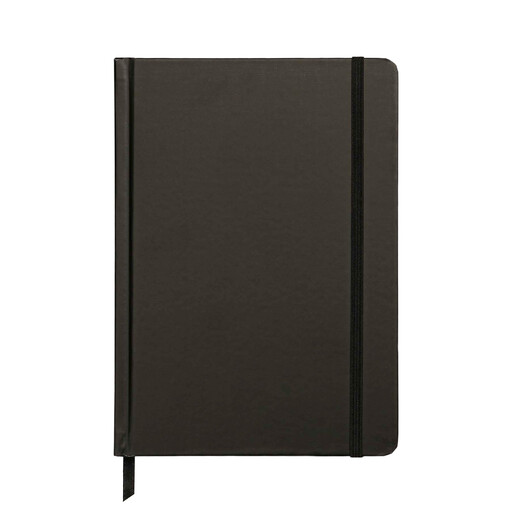
Why we love it
The Jubiluu model is a customizable planner built for the long haul. With a structure for 18?months, it's perfect for projects that span more than a year. Its key asset: high-quality, thick paper (100?g/m?) that handles most pens, even the most ink-heavy ones, without bleed-through or ghosting.
Key features:
Who is it for? Students, entrepreneurs, and project managers with a long-term vision. It's the perfect choice for those who refuse to compromise on paper quality or aesthetics.
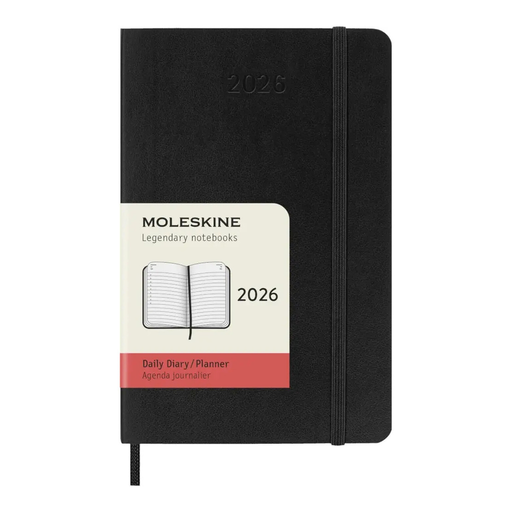
Why it stands out
While the freedom of an undated planner isn't for everyone, some prefer the discipline of a pre-established framework. For them, this is an essential alternative. This Moleskine daily planner for 2026 dedicates an entire page to each day, allowing you to plan your days in minute detail, take notes, or keep a logbook.
Key features:
Who is it for? Perfect for professionals, lawyers, or anyone who needs to document and plan their days exhaustively and chronologically.
Our selection is just a starting point. The world of organizational notebooks is vast and full of hidden gems. To explore other sizes, designs, or brands, feel free to browse our complete collection.
? Discover our selection of agendas and planners
An undated planner is freedom personified. You start it whenever you want, without ever wasting a single page. Going on vacation or taking a break? No problem, you just pick up where you left off. It's a choice that is economical, eco-friendly, and above all, perfectly adapted to your pace.
It's very simple. Use the monthly pages to define your main objectives. Then, in the weekly views, break them down into concrete, achievable tasks. Most undated planners offer dedicated pages for goal tracking or free-note spaces where you can create your own trackers to monitor your progress step by step.
It all depends on your need for detail. The weekly planner offers a big-picture view, ideal for balancing your week and planning ahead. The daily planner, on the other hand, provides a page per day for micro-level planning: schedules, long to-do lists, meeting notes, and more. It's a question of granularity: do you need a macro or micro view?