
Livraison le jour même ou le lendemain

Qualité garantie

Débloquez vos offres de bienvenue: Livraison GRATUITE | Jusqu'à -80 % | 30 jours d'essai gratuits à JoyPlus
Téléchargez l'application
An undated A5 18-month planner lets you start getting organised whenever you like, without wasting pages for quieter periods. This flexibility appeals to students and professionals alike, as well as people working from home and anyone who alternates between busy spells and occasional projects.
But first, you need to know what you’re buying. Product listings don’t always provide all the information you need about the paper, page layouts or cover durability. Here are the main pitfalls to avoid before you place your order.
“18 months” generally refers to the intended period of use, but it doesn’t necessarily mean the planner has a page for every day. An undated weekly planner can offer more flexibility, while a daily planner needs considerably more paper and is naturally thicker.
Check for monthly views, undated weekly spreads and a space for notes. If you’re tracking goals or managing a work project, these sections can prove much more useful than a simple run of dates.
A hardback planner generally stands up better to repeated handling in a bag, but it’s less flexible to carry around than a softcover option. A softcover planner is lighter and easier to slip into a bag, but it may show scuffs or creases sooner.
The best choice depends on your daily routine: regular commuting, use at your desk, writing at home or business travel. Also check for a closing elastic and a page marker. These small details make a real difference when you need to find the right page quickly.
Thin paper can show ink through to the other side, particularly when you use certain gel pens or felt-tip pens. Paper weight alone doesn’t guarantee a perfect writing experience, but 100 g/m² offset paper gives you a useful indication of its thickness.
The layout deserves just as much attention. A weekly spread with a notes section works well for keeping track of tasks, while an undated monthly view makes it easy to see deadlines, appointments and key project milestones at a glance.
A5 measures approximately 14.8 × 21 cm. It offers a good balance between writing space and portability. It fits into a rucksack, work bag or large school bag, while leaving enough room to note appointments and priorities.
If you write a lot, check the overall thickness and binding too. A planner that’s too heavy can quickly become a burden when you’re on the move.
For a versatile planner, look for at least:
This layout works well both as a personal organiser and for day-to-day work planning. You can start part-way through a month, take a break and pick up again without leaving unused pages behind.
A hardboard cover protects the pages from scuffs, but it should be kept away from moisture. The product listings for Jubiluu models specify 100 g off-white offset paper, a hardback cover, an elastic closure and a ribbon page marker. No specific environmental certification is claimed for these products, so it’s best not to attribute a certification that isn’t listed in the available information.
To keep your planner in good condition, store it somewhere dry and wipe the cover with a soft, dry cloth. Planners with an elastic, ribbon or small parts should be kept out of the reach of children under 3.

Why it suits this type of user : Its A5 size and undated layout let you get started without pressure, with no unused pages at the beginning of the year or after a break.
The monthly and weekly views are undated, so you only use the pages when you need them. This helps reduce waste and makes it easy to build up to using the planner gradually.
100 g off-white offset paper, hardback cover, elastic closure and ribbon page marker.
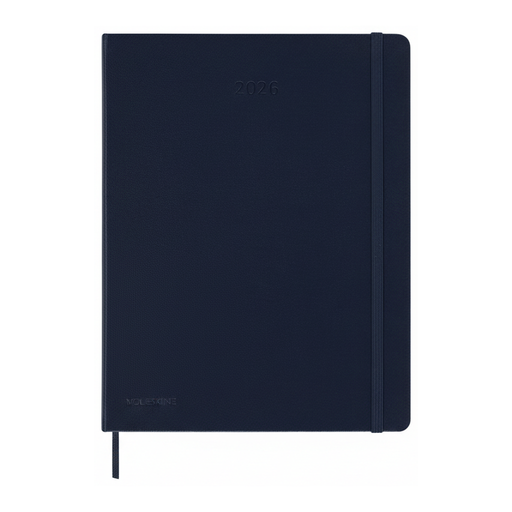
Why it suits this type of user : This planner is for anyone looking for a structured way to stay organised, with a hardback cover, weekly layout and several additional sections.
The product listing specifies the cover type, 70 g/m² ivory paper, lay-flat binding and a notes section. It offers more than just a good-looking design.
Hardback cover, elastic closure, page marker, expandable inner pocket and paper from FSC-certified forests, according to the product listing.
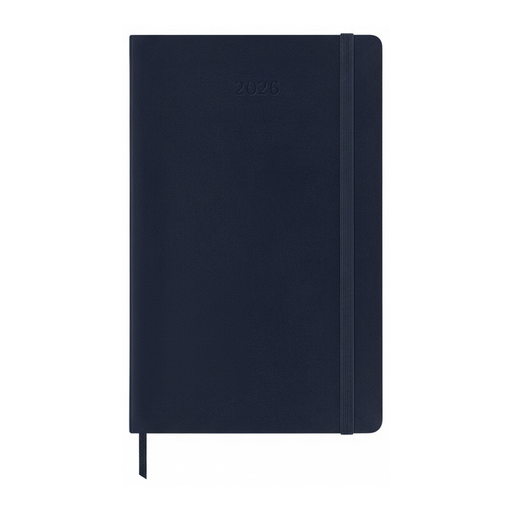
Why it suits this type of user : With a page for every day, this planner is ideal if you like to keep detailed notes on appointments, tasks, travel or work.
The listing confirms there’s a page for every day, along with dedicated sections for goals, ideas and travel. Bear in mind, though, that this is a dated planner, unlike the undated option you’re looking for.
Softcover, 70 g/m² ivory paper, elastic closure, page marker, inner pocket and binding designed to lie flat when open.
We’ve put together a comprehensive selection, updated in real time, of products that meet these exacting criteria as well as European safety standards.
Start by adding your fixed appointments to the monthly pages, then choose two or three priorities for each week. Use the notes section to keep track of tasks, ideas or goals. This approach helps you avoid trying to fill in every page on day one.
It all depends on how you use it. If you mainly plan your weeks, it could last around 18 months. If you add detailed information every day, you’ll fill the pages more quickly. So “18 months” is an approximate guide to how long it may support your planning, rather than a set duration for every use.
Yes. A5 gives you enough room for lessons, meetings, deadlines and to-do lists. For complex projects, look for a planner with weekly notes, monthly pages and sufficiently thick paper. If you’re organising family life, you can also compare the formats available in the dedicated category.