
Livraison le jour même ou le lendemain

Qualité garantie

Débloquez vos offres de bienvenue: Livraison GRATUITE | Jusqu'à -80 % | 30 jours d'essai gratuits à JoyPlus
Téléchargez l'application
A standard diary can quickly become unusable as soon as a period is left blank. With an undated A5 18-month planner, you can start whenever you like, pause your organisation if needed, and plan a career change without wasting pages.
However, not all models are created equal. A pretty cover can hide paper that is too thin, an impractical binding, or a layout limited to a single weekly view. Here are the criteria to consider before buying an A5 planner, along with a selection suited to different needs.
A diary with a large number of pages does not necessarily cover 18 months of planning. You need to distinguish between leaves — which make up two pages — and check how the space is divided between monthly views, weekly views and note pages.
A well-designed model should detail the different planning formats it offers. For versatile use, look for:
A smart finish does not guarantee the diary will withstand daily handling. For work or study, a hard cover protects the pages better in a bag, on a desk or during commutes. Also consider the weight, the quality of the binding and whether it has a closure system.
A ribbon page marker with an elastic band is particularly handy day to day: the ribbon lets you find your page in an instant, while the elastic keeps the diary closed when you're on the move.
Paper weight alone doesn't tell you everything about the writing experience, but it's still a good indicator. 100 gsm offset paper is thicker than the very lightweight paper used in some diaries. It generally works well with ballpoint pens, rollerballs and fine-tipped felt pens, while limiting ink show-through on the reverse. However, a test is still recommended if you use very liquid ink or a fountain pen.
The A5 format measures approximately 14.8 × 21 cm. It offers a good balance between writing space and ease of transport: enough room to jot down appointments and tasks, without taking up as much space as a large notebook.
If you travel frequently, also consider the thickness and weight. An A5 planner loaded with accessories can be less pleasant to carry than a more streamlined planning notebook.
A monthly and weekly organiser should let you switch quickly from an overview to detailed planning. The monthly view is for noting deadlines, exams, holidays and bills. The weekly view is better for appointments, priorities and recurring tasks.
People who track goals over several months will also appreciate:
A hard cover made from laminated cardboard protects the contents effectively, but it should be kept away from moisture. Clean it with a soft, dry cloth, then store the diary in a dry place, away from a heat source or naked flame. Handle the elastic and ribbon without pulling them excessively.
The models below are compared based on their stated features: size, number of leaves, paper and accessories. The best choice depends mainly on your organisation method and how often you use it.
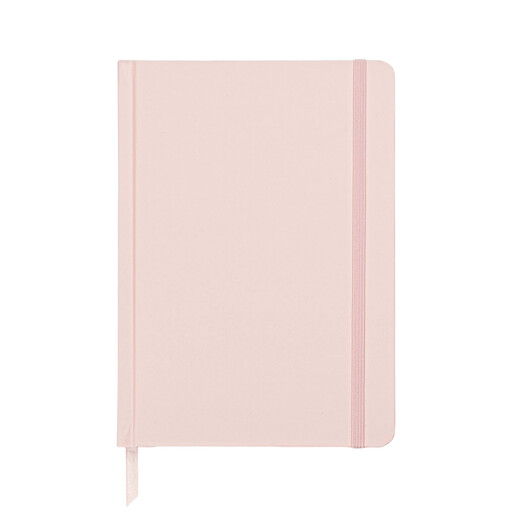
Why this suits this profile: Its undated design means you can start at any time, without waiting for the new term or a calendar change. The A5 format works well for study, work and personal organisation.
The 224 pages are divided between undated monthly and weekly views. So you're not paying for pages you can't use if your habits change.
100 gsm ivory offset paper, hard cover, ribbon page marker and elastic closure. Available in several colours.
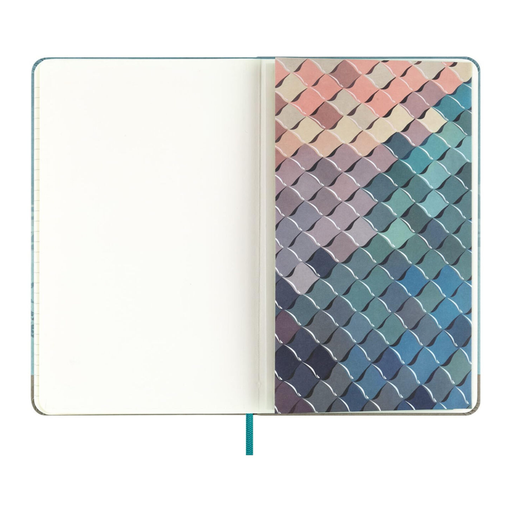
Why this suits this profile: This notebook is for those who want a refined finish and a traditional writing experience, for keeping a personal journal, jotting down ideas or moving creative projects forward.
The listing mentions 100 gsm ivory paper, a binding that allows it to lie flat, an expandable inner pocket and an elastic closure.
Hard cover with a textile pattern inspired by Casa Batlló, acid-free paper and ribbon page marker. Please note, this is a ruled notebook, not a structured diary.
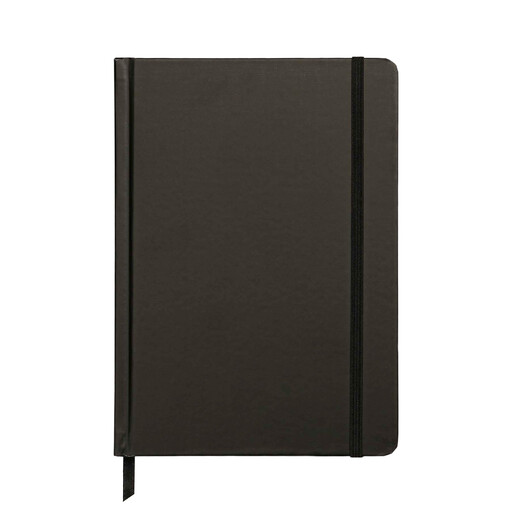
Why this suits this profile: Freelancers, employees and students who plan regularly can use the monthly views for deadlines, then the weekly views to allocate their tasks.
Its stated 18-month capacity and weekly pages with note space mean you don't need multiple notebooks for the same project.
A5 format, 112 leaves of 100 gsm offset paper, hard cover and elastic closure. The black colour fits easily into a professional environment.
We've put together a comprehensive, real-time updated list of products that meet these exacting criteria as well as European safety regulations.
Start by writing the current month and week in the spaces provided. Then reserve the monthly view for appointments and fixed deadlines, and use the weekly view to detail your tasks. The note pages can be used to track a goal, a budget or a project.
It all depends on how often you write and the structure of the model. A diary advertised for 18 months is designed to cover that period when used according to its layout. Thanks to the undated pages, you can take breaks without leaving printed but unused weeks behind.
A weight of 100 gsm provides a pleasant base for everyday writing and limits ink bleed-through compared to thinner paper. Also check the paper shade, the ruling, the available space and compatibility with your usual pen.