
Livraison le jour même ou le lendemain

Qualité garantie

Débloquez vos offres de bienvenue: Livraison GRATUITE | Jusqu'à -80 % | 30 jours d'essai gratuits à JoyPlus
Téléchargez l'application
An undated A5 18-month planner meets a very practical need: starting to get organised whenever you like, without wasting pages if your routines change. This format suits adults, students and professionals just as well as entrepreneurs, creatives and travellers who want to bring daily organisation, appointments, projects and notes together in one notebook.
However, the features highlighted in product descriptions do not always guarantee a pleasant experience over the months. Before buying an A5 planner, take the time to examine its internal layout, the strength of its cover and the quality of its paper.
An 18-month planner may seem particularly generous. However, the number of pages and how they are divided between monthly views, weekly views and note sections vary considerably from one model to another. A mainly monthly planner with little writing space may frustrate anyone who likes to detail their daily tasks.
So check that it includes monthly and weekly views, as well as a note section large enough to be genuinely useful.
A hardback cover is better able to withstand the rigours of a bag, but it can become cumbersome if the binding is difficult to open. A soft cover is lighter, but offers less protection against scuffs and creases.
The word ‘premium’ is no substitute for practical information: cover type, dimensions, fastening system, rounded corners and the notebook’s ability to stay open while you write.
Paper that is too thin may show ink through on the reverse, especially when using a fountain pen, felt-tip pen or highlighter. Paper weight alone is not enough to predict writing comfort, but it is a useful point of comparison between two notebooks.
At 100 g/m², the paper will generally be thicker and more substantial than 70 g/m² paper. The result also depends on the type of ink used and the pressure applied to the page.
A5 measures approximately 14.8 × 21 cm. It offers a good balance between reading comfort and portability: large enough for noting down tasks, while still easy to slip into a work bag or student bag.
You should also check:
A planner with an elastic closure and page marker makes it easy to find the current week and prevents the notebook from opening inside your bag while travelling.
An undated planner lets you start without waiting for the beginning of a month, year or academic term. It adapts to changing routines, occasional projects and irregular use.
For versatile use, look for:
With this layout, the notebook becomes a true personal organiser, rather than simply a calendar for appointments.
A hard cover made from laminated board protects the pages better than a very soft cover. However, it does not cope well with prolonged exposure to moisture. To protect the paper and cover, wipe the surface with a soft, dry cloth, then store the planner somewhere away from damp.
Models fitted with an elastic, ribbon or small accessories should be kept out of reach of children under three years old. Like any paper and board item, they should also be kept away from flames and sources of excessive heat.
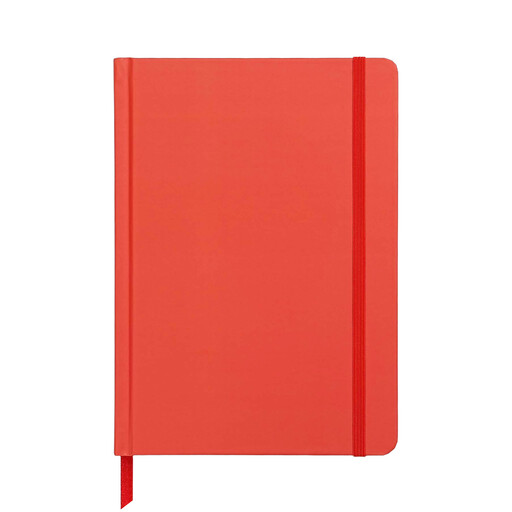
Why this choice suits this profile: Its A5 size and undated design let you start at your own pace, whether you are studying, working or organising your personal life, without waiting for a specific date.
Its 224 pages combine monthly views, weekly views and note sections. The notebook is therefore not limited to a single function.
Hard cover, lined off-white 100 g/m² offset paper, page marker and elastic closure.
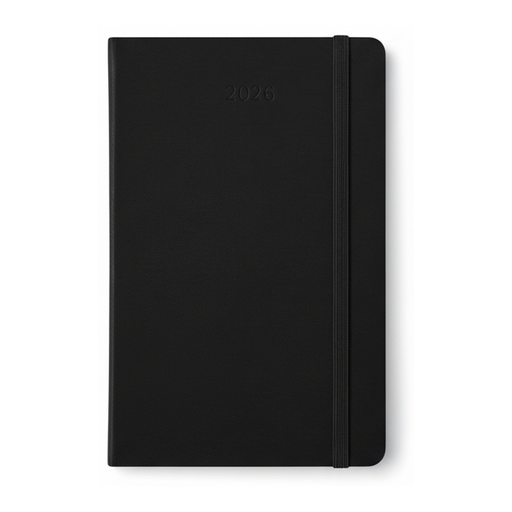
Why this choice suits this profile: Its structured layout is ideal for people who prefer dated planners, with a horizontal weekly layout and several complementary sections.
The product description specifies the weekly layout and mentions an inside pocket, along with pages dedicated to travel, ideas and goals.
Elastic closure, ribbon page marker, 180° lay-flat opening and 70 g/m² ivory paper from FSC-certified sources, according to the product description.
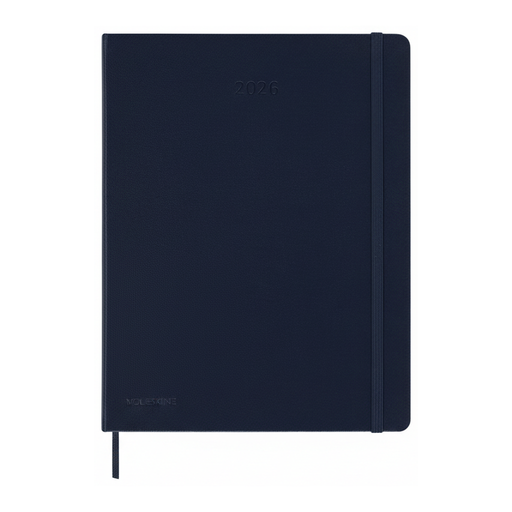
Why this choice suits this profile: Its XL format and weekly notes space are well suited to tracking projects, business travel and busy schedules.
Its hard cover, lay-flat binding and elastic closure meet the demands of frequent use and regular transport.
Pages dedicated to travel, goals and ideas, expandable inside pocket, two personalisation elements and ribbon page marker.
We have brought together a complete, real-time selection of products that meet these exacting criteria while complying with European safety regulations.
To avoid leaving pages blank, start by defining a realistic period of use. Then transfer your fixed appointments to the monthly view and distribute your tasks throughout the weekly planner. The notes section can be used to separate priorities, ideas and tasks to be carried forward.
To track your goals, stick to a few simple indicators: task completed, deadline, planned duration or next action. This keeps the notebook easy to read and makes reviewing it at the end of the week much quicker.
Yes, provided it offers separate monthly and weekly views. Students can start at the beginning of a term, note exam periods and use the note sections for homework or projects.
The ‘18 months’ description refers to a theoretical planning capacity. The actual duration depends on how often you use it and how much you write. A 224-page planner with undated sections can be used continuously or occasionally, depending on your needs.
Not necessarily. 70 g/m² paper works perfectly well with a ballpoint pen or pencil. 100 g/m² paper offers greater comfort and reduces the risk of ink showing through when writing with more pressure, but it can also make the notebook thicker. The right choice therefore depends on your writing instruments and how you organise yourself.