
Livraison le jour même ou le lendemain

Qualité garantie

Débloquez vos offres de bienvenue: Livraison GRATUITE | Jusqu'à -80 % | 30 jours d'essai gratuits à JoyPlus
Téléchargez l'application
A traditional diary often requires you to start on a specific date. If your return to education, change of role or launch of a new project does not fit the academic calendar, several pages may end up unused. With an undated A5 18-month planner, you can start whenever suits you and plan your deadlines over an extended period.
However, it is worth looking beyond features that sound appealing on paper but may be less convincing in everyday use. Here are the key points to consider before choosing an A5 planner for work, study, project management or personal journalling.
The “18 months” label generally refers to the period covered by the planner’s layout, not automatic use over that period. With an undated model, you need to fill in the months, weeks and days yourself. So check that it includes undated monthly and weekly layouts, as well as enough space for notes.
The A5 format measures approximately 14.8 × 21 cm. It offers more room than an A6 notebook for recording appointments, tasks and comments, but it also takes up more space in a bag. For everyday use at home or in the office, this size is generally comfortable. However, if you travel around frequently, a more compact model will be easier to carry.
A hard cover protects the pages more effectively, but it is not enough to make a planner pleasant to use. You should also consider the paper weight, binding quality, whether it has an integrated bookmark and the closure system. An attractive cover can never make up for a poorly designed interior layout.
The Jubiluu A5 uses 100 gsm off-white offset paper with ruled pages. This paper feels sturdier than very thin notebook paper and is well suited to everyday writing with a ballpoint pen, rollerball pen or pencil. For felt-tip pens and markers, however, it is best to test it first: the result depends greatly on how much ink is applied.
The off-white shade also provides slightly less contrast than bright white paper. This is worth bearing in mind if you often use your planner under artificial lighting, although it ultimately comes down to personal preference.
For a planner designed for everyday organisation, look for a layout that clearly separates:
Jubiluu’s undated A5 18-month model includes 224 pages, or 112 sheets, with undated monthly and weekly layouts. This format can suit a student planning their revision, a freelancer managing several assignments or an employee bringing meetings and priorities together in one place.
A hard-cover planner stands up better to repeated handling than a very thin soft-cover model. It should nevertheless be protected from moisture and heat. The model featured has an integrated bookmark and an elastic closure. These two features make it easy to find the current week and prevent the notebook from opening inside your bag.
The elastic does not replace a protective cover. Avoid putting documents that are too thick inside the planner, as they could place pressure on the binding and eventually distort the pages.
The products below share a similar specification: A5 format, hard cover, 100 gsm offset paper, 112 sheets and an undated layout designed for use over 18 months. The main difference highlighted here is the colour.
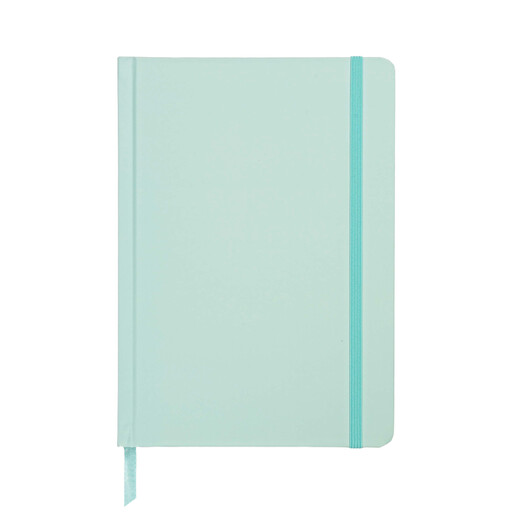
Why it suits this profile : its undated layout allows you to start at your own pace, without wasting pages if your routine changes along the way. The A5 format provides enough room for studying, lists and developing your first planning habits.
The monthly and weekly layouts are undated, so you are not tied to a particular start of term or beginning of the year.
112 sheets, 100 gsm offset paper, hard cover, bookmark and elastic closure.
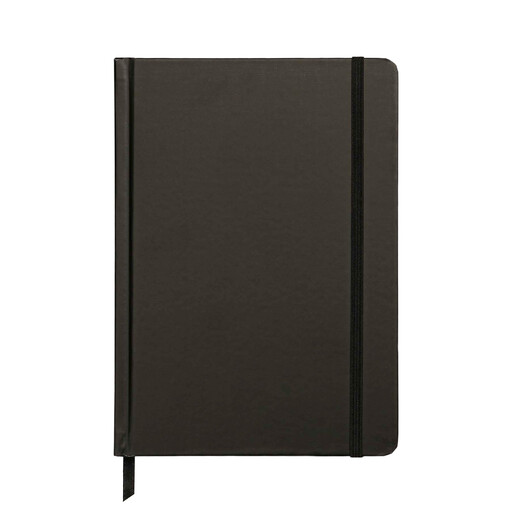
Why it suits this profile : its black finish blends easily into a professional environment, work bag or shared office. It is ideal for anyone looking for a discreet appearance, whether for work or personal journalling.
The hard cover protects the pages during everyday travel, while the elastic closure stops the notebook from opening inside your bag.
14.8 × 21 cm format, 224 pages, 100 gsm off-white paper and monthly and weekly layouts.
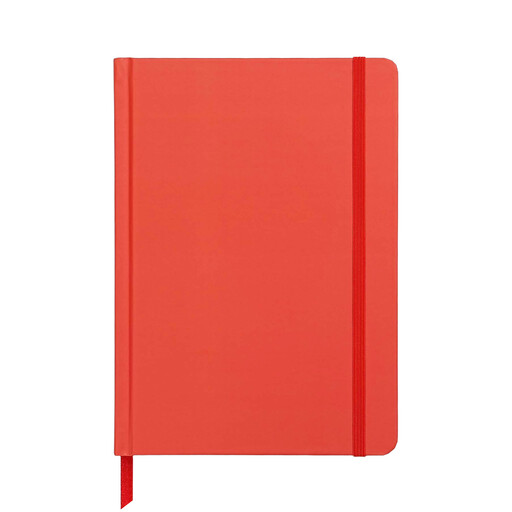
Why it suits this profile : its 224 pages are well suited to regular use involving meetings, lists, goal tracking and project notes. Its colour also makes it easy to spot at a glance among other documents.
The note spaces included in the weekly layouts help keep tasks, appointments and ideas from becoming mixed together.
112 sheets, monthly and weekly layouts, hard cover and 100 gsm offset paper for everyday writing.
We have put together a complete, real-time updated list of products that meet these demanding selection criteria and European safety regulations.
Before filling in the first page, adopt a simple colour code: one colour for appointments, another for tasks and a symbol for priorities. Then record fixed deadlines on the monthly pages and break down the actions to take on the weekly pages.
For a work or study planner, keep the note pages for information you really must not forget: reference numbers, topics to revise, meeting ideas or project stages. In a personal journal, the ruled pages let you write a few lines each day without imposing a strict method.
Finally, keep the notebook in a dry place and clean the cover with a soft cloth. Avoid moisture, abrasive products and proximity to a naked flame. Small accessories should be kept out of reach of children under 3 years old.
Its layout is designed to cover up to 18 months, but the actual length of use depends on how often you write. As the pages have no printed dates, you can start later or leave certain periods blank.
It is generally suitable for pens and pencils. With felt-tip pens that contain a lot of ink, test on a page at the back of the notebook to check that there is no excessive show-through or ink transfer.
A5 gives you more room for monthly and weekly planning, projects and notes. More compact, A6 is better suited to quick lists, ideas and personal journalling while travelling. It therefore depends on how much writing space you need and how often you carry your planner with you.