
Livraison le jour même ou le lendemain

Qualité garantie

Débloquez vos offres de bienvenue: Livraison GRATUITE | Jusqu'à -80 % | 30 jours d'essai gratuits à JoyPlus
Téléchargez l'application
An undated 18-month A5 weekly planner lets you start whenever you like, without wasting pages because the pre-printed calendar doesn’t fit your schedule. This flexibility makes it a good choice for students, professionals, freelancers and anyone looking to organise a personal project.
But choosing the right model takes a little thought. A smart-looking cover can hide paper that’s too thin, an impractical layout or a notebook that’s awkward to carry around. Here are the key things to check before buying an undated A5 planner, plus a selection to suit different needs.
The words “18 months” don’t tell you how much usable space there is. Take a closer look at the layout: are there monthly views, enough weekly pages, note pages and dedicated areas for tracking goals?
A planner can boast an impressive page count while offering very little room for everyday writing. If you plan to use it regularly, check that the weekly double-page spreads have dedicated space for tasks and notes.
A hardback cover protects your planner from everyday handling, but it also makes it heavier. A soft cover, on the other hand, slips into a bag more easily, though it offers a different level of resistance to scuffs and knocks.
The right choice depends on your routine: frequent travel, a permanent desk, classes, meetings or planning at home. Features such as an elastic closure and ribbon bookmark can make a difference, provided the binding is sturdy enough.
Paper weight directly affects how comfortable it is to write and how much ink shows through. At 100 g/m², offset paper generally feels more substantial than very lightweight paper, while still working well with everyday pens. If you use felt-tip pens or particularly wet inks, it’s worth checking the manufacturer’s recommendations.
Off-white paper may also be more comfortable for everyday use than a very bright white, which can sometimes contribute to eye strain. It’s ultimately a matter of personal preference and comfort, rather than a guarantee that applies to everyone.
A5 measures around 14.8 × 21 cm. It offers a good balance between writing space and portability. It fits into a work bag or school bag, while leaving enough room to note down appointments, tasks and ideas.
Remember to check the stated thickness and weight, too. A planner packed with features can quickly become bulky if you carry it every day.
A good planner should make it easy to move from the bigger picture to the details of your week. Look for:
This combination makes monthly and weekly planning easier, without forcing you to follow a set method. You can fill in the dates yourself, start part-way through a month or leave out a particularly busy period.
A hardback cover is particularly useful if you often check your planner when you’re out and about. An elastic closure keeps the pages securely shut and stops the planner opening in your bag. A bookmark helps you find the current week quickly.
These features can’t make up for a weak binding, though. Take the time to read the product description and look at the photos to check that the stated construction meets your needs.
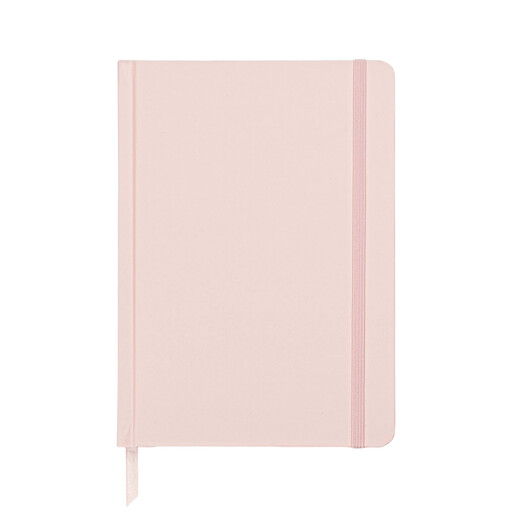
Why it’s a good fit: Its A5 size and undated layout mean you can start whenever you like, then gradually organise your studies, work or personal projects.
The monthly and weekly views are undated, so you’re not tied to a set calendar and won’t risk wasting pages. The product description also specifies 100 g offset paper.
Hardback cover, 224 pages as stated, elastic closure and ribbon bookmark.
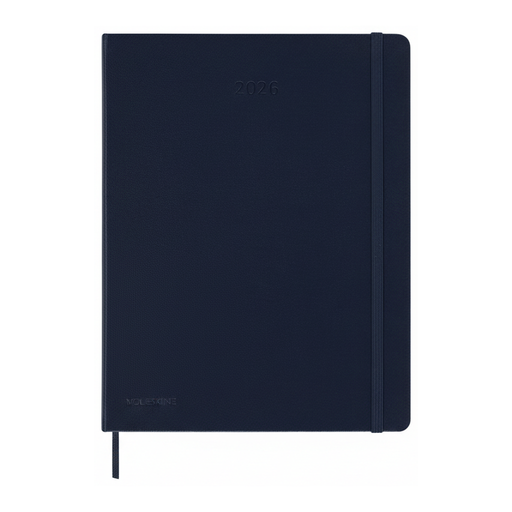
Why it’s a good fit: It’s designed for people looking for a refined finish and extra sections to help manage projects, ideas and travel.
The product details specify a weekly layout with space for notes, pages for goals and a binding designed to let the planner lie flat.
Hardback cover, 70 g/m² ivory paper from FSC-certified sources, elastic closure, bookmark and inner pocket.
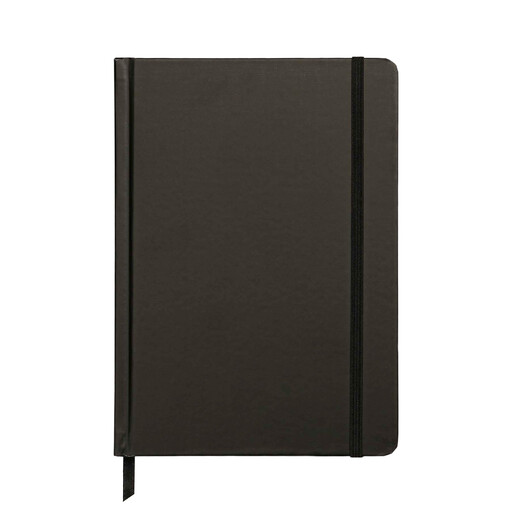
Why it’s a good fit: Its understated look works well in a professional setting. The undated layout also makes it easy to track a long-term project without being tied to a set calendar.
Monthly and weekly sections, along with note pages, let you adapt your planning to each situation, while the hardback cover protects the contents during frequent use.
A5 size, 112 sheets as stated, 100 g off-white offset paper, bookmark and elastic closure.
We’ve brought together a comprehensive, regularly updated selection of products that meet these criteria, while taking European safety requirements into account.
Start by filling in the dates for the months and weeks you actually plan to use. Next, set aside a page or section for your current priorities, then distribute your tasks across the weekly views. To track your goals, use a separate section to keep targets apart from everyday appointments and tasks.
A colour code using just two or three shades is usually enough to make your planner easier to read without cluttering the pages. Finally, keep your planner somewhere dry and avoid leaving it exposed to damp for long periods, as moisture can warp the paper and weaken some of its features.
Yes, as long as the weekly pages offer enough room for classes, homework and deadlines. Monthly views are particularly useful for keeping track of exams, coursework deadlines and revision periods.
It depends on how often you write in it, how you handle it and where you store it. A hardback cover, elastic closure and well-maintained binding can help protect your planner, but there’s no guarantee it will last the same amount of time for every user.
An undated planner doesn’t have a pre-printed calendar. You can choose your own start date and leave some periods blank. This flexibility is useful when changing jobs, starting a course at a different time of year, working on a temporary project or when your routine varies from week to week.