
Livraison le jour même ou le lendemain

Qualité garantie

Débloquez vos offres de bienvenue: Livraison GRATUITE | Jusqu'à -80 % | 30 jours d'essai gratuits à JoyPlus
Téléchargez l'application
A planner may seem simple to choose, until it becomes too bulky, impossible to start part-way through the year or poorly suited to your routine. Whether you need it for studying, work, self-employment or family life, an undated 18-month A5 planner offers real flexibility. Just make sure you check how it’s designed before you buy.
A planner with lots of pages isn’t necessarily designed to last a long time. It’s important to distinguish between sheets, printed pages and the period it actually covers. An undated 18-month planner should have enough monthly and weekly space to ensure you don’t run out before the end.
A soft cover is comfortable to carry, but it’s more likely to bend in a full bag. By contrast, a planner with a hard cover protects the pages better, although it adds a little weight. An elastic closure also stops the planner from opening unexpectedly, while a bookmark makes it easy to find your place.
A weekly planner is useful for keeping track of appointments and tasks, but it may not leave much room for goals or notes. A monthly planner gives you a good overview, but may not let you plan each day in detail. For a versatile option, look for a design that combines monthly and weekly views with blank pages.
The A5 format, usually around 14.8 × 21 cm, strikes a good balance between readability and portability. It fits into most school or work bags, while offering more space than a small notebook. Do check the cover dimensions, though, as they may be slightly larger than the paper.
Paper weight is a useful guide, but it isn’t the only thing to consider when judging paper quality. 100 g/m² offset paper feels nicer to write on than very thin paper and is suitable for everyday use with a ballpoint or rollerball pen. If you use felt tips or pens with a heavy ink flow, check the product details and test a page before filling your planner with colour.
For a versatile organiser, check that it offers several levels of planning:
An undated planner lets you get started straight away, even part-way through the year. If you take a break, the blank pages aren’t wasted, which can help reduce waste compared with a planner printed for a fixed period.
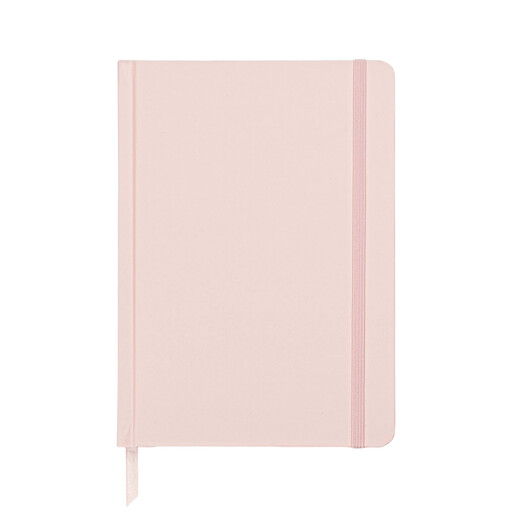
Why it’s a good fit: Its A5 format and undated layout mean you can start whenever you like, without waiting for a new period to begin. It’s suitable for students, employees and anyone who wants to keep their calendar, tasks and notes in one place.
The undated monthly and weekly views mean you won’t waste pages if you take a break from planning. The hard cover also helps prevent the planner from getting bent in your bag.
A5 format, 112 sheets listed, 100 g ivory lined offset paper, and an elastic closure with a bookmark.
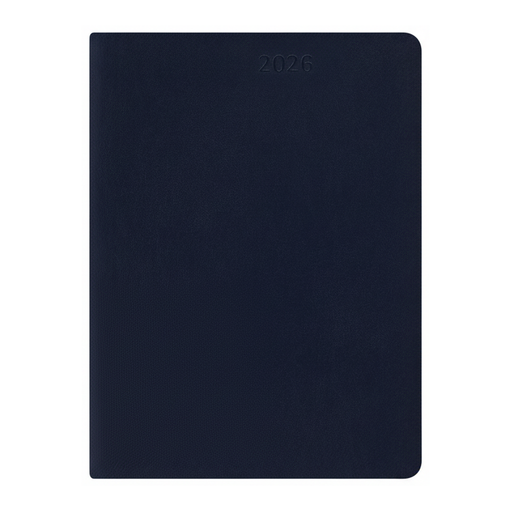
Why it’s a good fit: This option is for anyone who appreciates a structured layout, useful accessories and a design suited to work projects, travel and personal notes.
The elastic closure, bookmark and lay-flat binding make it easy to use. The inner pocket provides a separate place to keep small documents.
Weekly layout, monthly pages, sections for goals and travel, an expandable pocket and 70 g/m² ivory paper.
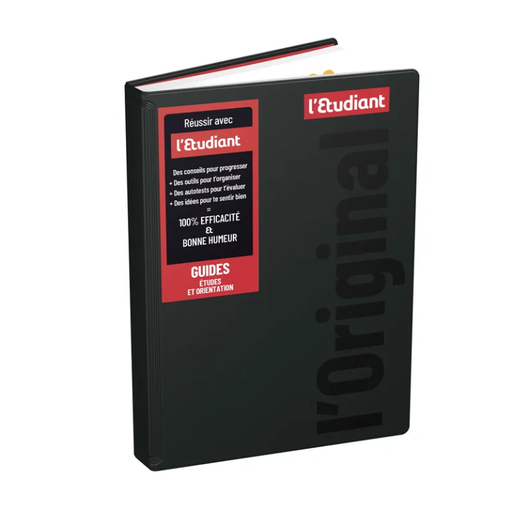
Why it’s a good fit: With a full page for each day, this layout suits students and anyone who needs to keep track of lots of appointments, classes, instructions or detailed tasks.
The daily layout reduces the risk of running out of space on busy days. The spiral binding makes it easy to use, while the semi-rigid cover protects the pages.
15 × 21 cm format, 352 pages listed, plain ruling, a semi-rigid cover and a full page for each day.
We’ve put together a comprehensive selection, updated in real time, of products that meet these demanding criteria and European safety standards.
Start by adding fixed appointments and known deadlines to the monthly pages. Then use the weekly pages for practical tasks, and the notes section for ideas, shopping lists or meeting details.
To keep track of a goal, set a deadline, break it into smaller steps and schedule regular check-ins. This turns your planner into a goal planner, without the need to add more apps or notebooks.
Keep your planner away from damp and heat. Wipe a paper or rigid-card cover with a soft, dry cloth. Avoid liquids to help prevent the pages from warping.
Yes, as long as the layout suits your routine. Use the monthly views to note deadlines, and the weekly pages for classes, meetings and tasks. If you have lots of appointments each day, a layout with a full page for each day will probably work better.
It depends on how often you write in it, how you carry it and the quality of its cover. A planner listed as lasting 18 months can indeed last that long if you use all its sections regularly. A hard cover, elastic closure and dry place to store it will help keep it in good condition.
Its main advantage is that you don’t have to start on a set date. You can take a break from planning and pick it up again on the following pages, without leaving a printed period unused. The actual cost depends mainly on the paper quality, number of pages, binding and accessories included.