
Livraison le jour même ou le lendemain

Qualité garantie

Débloquez vos offres de bienvenue: Livraison GRATUITE | Jusqu'à -80 % | 30 jours d'essai gratuits à JoyPlus
Téléchargez l'application
An undated 18-month A5 planner can see you through a university term, a career change, a work project or a new personal routine that starts part-way through the year. Its main advantage? No pages are left blank if your plans change. But between claims of ‘premium’ covers, heavily decorated layouts and products described simply as A5, a few details can turn a practical purchase into a notebook that doesn’t work for you.
Here are the points to check before choosing an A5 diary, daily organiser or planner that suits your habits.
A format close to 14.8 × 21 cm usually corresponds to A5 dimensions. However, the cover, binding and margins can reduce the amount of usable writing space. If you make a lot of notes about appointments, tasks or classes, check the internal layout first rather than relying on the external dimensions alone.
A weekly diary gives you an overview, while a daily diary leaves more room for detail. For both study and work, a weekly double-page spread with a notes section is often a good compromise.
A hard cover protects the pages better in a bag, but it also makes the planner heavier. A soft or semi-rigid cover, on the other hand, is easier to carry, but offers less protection for the corners and pages.
The binding is also worth a closer look. A spiral binding lets the notebook open flat, while a stitched or glued binding generally makes for a more compact finish. Either way, check that it opens wide enough for you to write comfortably near the spine.
Paper weight alone can’t guarantee a perfect writing experience, but it’s a useful guide. 100 g/m² paper is generally more substantial than very thin paper and better suited to everyday writing. If you use felt-tip pens or liquid ink pens, though, check whether ink might show through on the reverse.
Accessories such as an elastic closure and a ribbon page marker are handy, but they’ll never make up for an easy-to-read layout or a cover that suits how you use your planner.
Before choosing, consider whether you’re more likely to plan:
A goal planner should include space to set priorities and track your progress. If you need to plan in great detail, a daily organiser with a page for each day will be more suitable. A weekly layout is a better fit for changing schedules and anyone who wants to see the week at a glance.
A5 is a versatile format that works just as well in a rucksack or briefcase as it does on a home-working desk. Compare the stated dimensions, page count and overall thickness. A 224-page planner can include monthly and weekly sections as well as notes pages, without being as heavy as a ring binder.
For a work diary, also check how much space is set aside for meetings, to-do lists and quick notes. For a study planner, monthly pages can make it easier to spread out homework and deadlines.
Before placing your order, check:
An undated product shouldn’t be described as a dated academic diary. It lets you start whenever you like, but you’ll need to fill in the dates yourself.
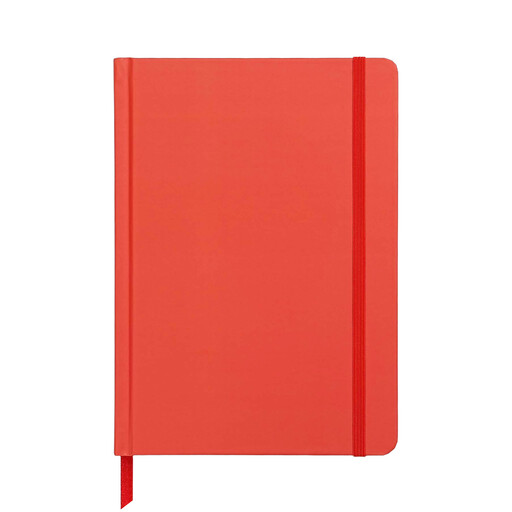
Why it’s a good fit for this reader : Its undated A5 format means you can start at any time, without paying for weeks you won’t use. It’s ideal if you’re new to personal planning, and works well for both study and work.
The undated format avoids waste if your routine changes. You only fill in the monthly and weekly pages when you need them.
Hard cover, 100 g/m² ivory offset paper, 224 pages stated, elastic closure and page marker.
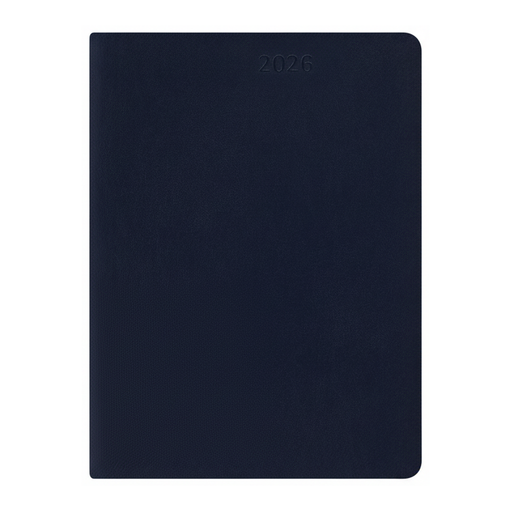
Why it’s a good fit for this reader : This planner is for people who appreciate a structured layout, built-in accessories and a high-quality tool for professional or creative use.
The product details describe a weekly layout complemented by dedicated pages for notes, projects and goals: it’s much more than a simple calendar.
Elastic closure, page marker, expandable inner pocket, opens flat to 180° and 70 g/m² ivory paper.
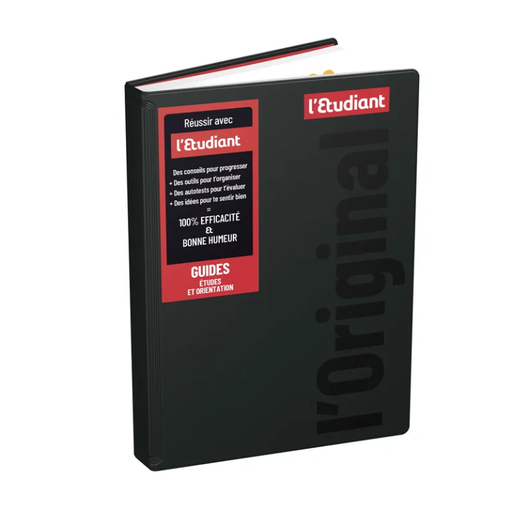
Why it’s a good fit for this reader : With a page for each day, this model is aimed at secondary school pupils, university students and anyone who records lots of tasks or information each day.
The dated format and daily pages mean you don’t have to fill in the calendar yourself. However, this model may be less suitable if you’re starting to get organised part-way through the year.
352 pages, stated size of 15 × 21 cm, spiral binding and semi-rigid cover.
We’ve put together a comprehensive, real-time list of products that meet these demanding selection criteria and European safety regulations.
Yes. You can add your own dates and start whenever it suits you. This flexibility is particularly useful if you’re returning to study, starting a new job or working on a project whose start date hasn’t yet been set.
A weekly diary gives you a snapshot of your appointments and priorities. A daily diary gives you more room to write in detail about tasks, meetings and notes. The right choice mainly depends on how much information you record each day.
It depends on how often you carry and handle it. A hard cover, an elastic closure and storing it somewhere dry can all help reduce wear and tear. Avoid overfilling the pocket or leaving the notebook near a source of heat.