
Livraison le jour même ou le lendemain

Qualité garantie

Débloquez vos offres de bienvenue: Livraison GRATUITE | Jusqu'à -80 % | 30 jours d'essai gratuits à JoyPlus
Téléchargez l'application
Would you like to start an organisational notebook without waiting until January, get back into good habits after a busy period or structure a professional project over several months? An undated 18-month A5 planner could meet your needs, provided you carefully consider its design before buying.
A smart format is not everything. Some planners do not leave enough room for notes, others have a flimsy cover or claim to last for a set period that is difficult to use in practice. Here are the criteria to check when choosing a weekly and monthly planner suited to your everyday life.
The term “18 months” may refer to a fixed period that has already been printed, or simply to a large number of pages. If the dates are pre-printed, several unused weeks can quickly make the planner less practical.
An undated planner lets you start as soon as it arrives, whatever time of year it is. You can also take a break during the holidays or a quieter period without wasting dated pages.
Paper that is too thin may allow ink to show through, crease quickly or struggle with ballpoint pens and fine-tip markers. For a planning notebook used every day, paper weight therefore deserves your full attention.
100 g/m² offset paper is a useful benchmark. It does not guarantee identical results with every writing instrument, but it provides a more substantial base than very lightweight paper.
An elegant finish cannot replace a structure that is built to withstand being carried around. In a student’s bag, a work bag or a handbag, the corners can become damaged and the pages can lose their shape.
A hardback A5 planner is particularly useful if you often write away from home. An elastic closure helps keep the notebook shut, while a bookmark lets you quickly find the page you are using.
The A5 format measures approximately 14.8 × 21 cm. It offers a good balance between readability and portability: large enough to write down appointments and tasks, while still fitting in most bags.
Also check the number of pages and sheets. A 112-sheet model, providing 224 pages, may offer enough capacity for 18 months of organisation. However, how the pages are divided between monthly, weekly and notes sections remains crucial.
For versatile use, look for a combination of several planning levels:
This structure works equally well as an goals planner, personal journal or study notebook. Before ordering, however, check that the layout suits the way you write: some people prefer large daily boxes, while others mainly want more space for notes.
A hardback cover generally provides greater stability when you need to write without a desk. The elastic also prevents the notebook from opening at the bottom of your bag. As for the bookmark, it makes it easier to keep track from one week to the next.
To protect your planner, store it away from damp and wipe the cover with a soft, dry cloth. The paper and cover components should be kept away from flames. The manufacturer’s information also states that the product is not suitable for children under 3 years of age.
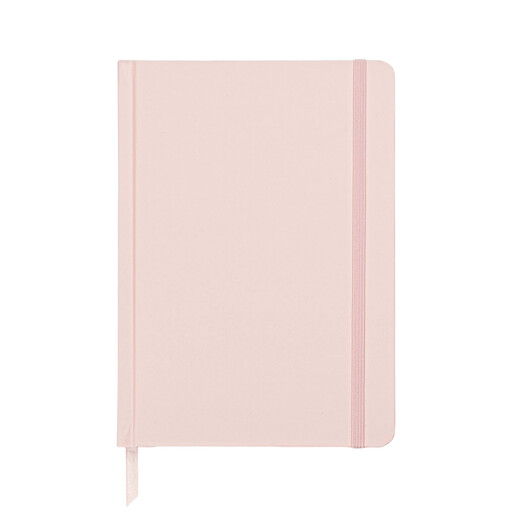
Why this choice suits this profile : Its A5 format and undated design make it easy to get started gradually, whether for studying, personal organisation or building new routines.
The monthly and weekly views are undated, so unused periods never become obsolete.
Hardback cover, 112 sheets of lined ivory 100 g/m² offset paper and 224 advertised pages.
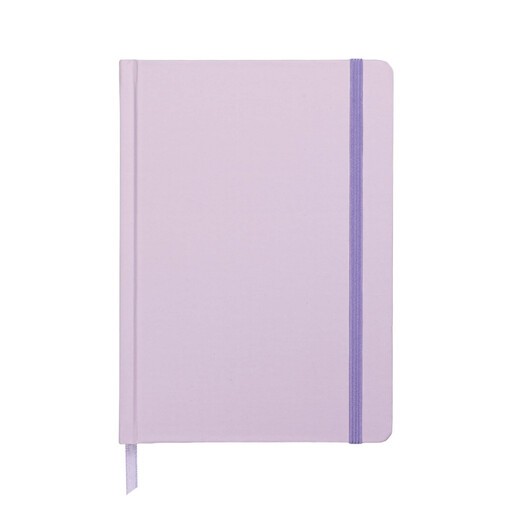
Why this choice suits this profile : Its hardback cover, lined ivory paper and range of colours will appeal to anyone who values presentation just as much as writing comfort.
The product details set out the format, paper weight, number of sheets and page layout, rather than relying solely on aesthetic promises.
Bookmark, elastic closure, hardback cover and 100 g/m² offset paper.

Why this choice suits this profile : Its capacity and multiple planning levels are ideal for tracking projects, professional goals, lessons or habits over several months.
The weekly pages include a notes area, while the monthly double-page spreads make it easier to separate deadlines from detailed tasks.
224 pages, lined ivory 100 g/m² paper, hardback cover, elastic closure and bookmark.
We have put together a complete, real-time updated list of products that fully meet these strict selection criteria and European safety regulations.
Start by writing recurring information on the first page: contact details, schedules, priorities or personal rules. Then add the actual dates as you use the planner. To keep your organisation clear:
This method prevents the pages from becoming overcrowded and gradually turns the planner into a genuine organisational notebook.
Yes, provided its layout includes monthly and weekly views. It allows you to keep track of lessons, homework, exams and projects without depending on a particular start date. The A5 format is generally easy to carry in a school bag.
It depends entirely on how often you write and how many pages you use each week. A model advertised for 18 months can last that long with regular use, or even longer if you do not fill every week. A hardback cover and storage away from damp will help keep it in good condition.
A weekly and monthly planner provides a time-based structure for organising appointments and tasks. A planning notebook may offer greater freedom, with more blank pages or sections dedicated to projects. The right choice therefore depends on how much structure you need.