
Livraison le jour même ou le lendemain

Qualité garantie

Débloquez vos offres de bienvenue: Livraison GRATUITE | Jusqu'à -80 % | 30 jours d'essai gratuits à JoyPlus
Téléchargez l'application
For hiking and bivouacking enthusiasts, the golden rule is simple: every gram counts. A well-deserved break at a mountain summit or by a lakeside shouldn't be spoiled by heavy, bulky gear. This is where the ultralight camping chair comes in. But be warned: the market is flooded with models making tempting promises, and it's easy to be fooled and regret your purchase.
As a product expert at Joybuy, I'm here to guide you through this jungle of options. Let's break down the common mistakes to avoid and the essential criteria for finding THE perfect chair that will join you on all your adventures—without weighing you down.
Before diving into spec sheets, it's crucial to know how to spot bad ideas and design flaws often hidden by aggressive marketing.
To make an informed choice, focus on these three fundamental parameters that define the quality and practicality of a camping chair.
This is the number-one criterion for a portable trekking chair.
The lifespan of your chair depends directly on the quality of its design.
After a long day of hiking, no one wants to spend ten minutes wrestling with their chair.
Here are a few models that meet different needs, keeping in mind the objective criteria we've just reviewed.
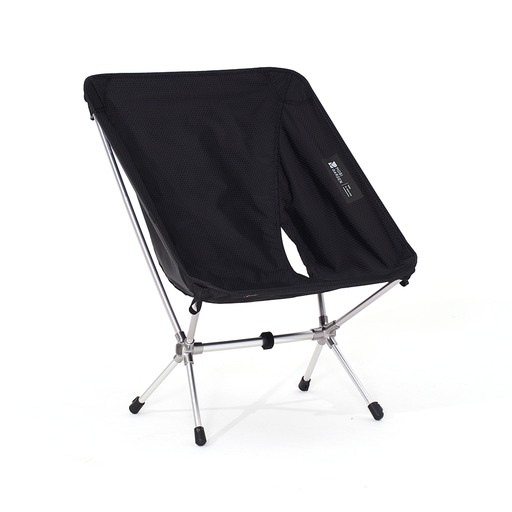
Ideal user: The purist's choice for those who count every gram. Perfect for long-distance treks, alpine hikes, and bivouacs where lightness is the absolute priority.
Weighing in at just 765 g, it genuinely competes in the ultralight category, avoiding the trap of misleading labels. Its aerospace-grade aluminum frame ensures sturdiness.
Featherlight weight and minimalist packed dimensions (36 cm long): it's completely unnoticeable in a backpack.
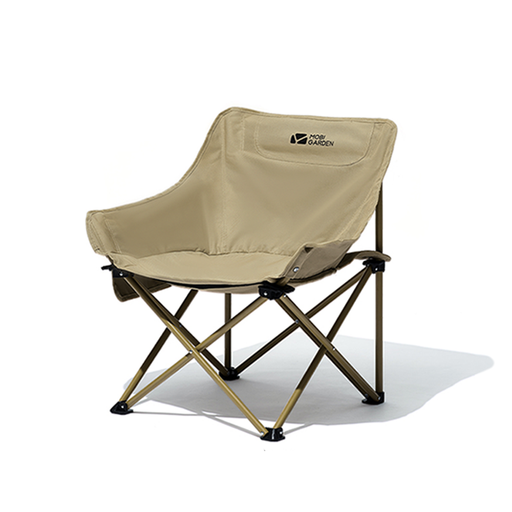
Ideal user: For those seeking an excellent compromise between comfort and portability for various uses (camping, fishing, picnics). Its weight (around 2.35 kg) is higher but justified by a wider seat and a reinforced frame.
This model is transparent: it's not "ultralight" but "portable." It avoids the pitfall of sacrificing stability by opting for a heavier but very robust carbon steel frame—a deliberate choice for enhanced durability.
A wide, enveloping seat for superior comfort, with the added bonus of a very practical side storage pocket.
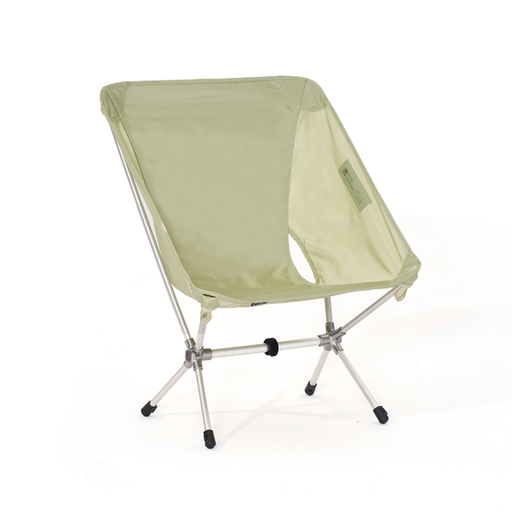
Ideal user: For the trekker who prioritizes efficiency above all else. The quick-folding frame is perfect for setting up camp in a flash after a long day and packing up just as quickly the next morning.
It tackles the bulk problem with packed dimensions of just 11 x 11 x 36 cm. It stores easily in its bag without creating unnecessary volume, avoiding the "light but bulky" chair trap.
A quick-assembly frame and stability ensured by a triangulated design, allowing for setup in seconds.
If these models don't check all your boxes, discover our complete selection of sturdy and reliable chairs.
The longevity of a folding hiking chair primarily depends on its use and maintenance. A high-quality aluminum alloy frame is naturally resistant to corrosion. To maximize its lifespan, it's good practice to clean the frame and fabric after each outing to remove mud, sand, or dust. Ensure it is completely dry before storing it in its bag, and always respect the maximum weight capacity specified by the manufacturer.
Most ultralight models use a frame of interconnected poles with an elastic shock-cord, much like a tent. To assemble, simply unfold the sections, which usually snap into place on their own. Then, stretch the seat fabric and attach its four reinforced corners to the ends of the frame. Disassembly is the reverse process. Our tip: practice once at home to get the hang of it.
Absolutely, provided it has a smart design. Stability doesn't come from weight, but from the frame's geometry and the quality of the materials. Look for a triangulated structure that effectively distributes forces and feet equipped with anti-slip caps. A common-sense reminder (always mentioned in the manual): always set up your chair on flat, stable ground to ensure your safety and prevent any risk of tipping over.