
Livraison le jour même ou le lendemain

Qualité garantie

Débloquez vos offres de bienvenue: Livraison GRATUITE | Jusqu'à -80 % | 30 jours d'essai gratuits à JoyPlus
Téléchargez l'application
Enjoying a comfortable break during a hike or in the evening at your campsite is a small luxury that makes all the difference. However, the ultralight camping chair market is a jungle of marketing promises that don't always deliver. Between models that fail after two outings and those bulkier than a sleeping bag, it's easy to make the wrong choice. As product experts, our mission is to guide you. Let's break down the common pitfalls to avoid and the criteria that truly matter for a durable investment.
Marketing is masterful at highlighting tempting features, but the on-the-ground reality is often less rosy. Here are the two classic mistakes that turn a promising purchase into sheer disappointment.
To avoid these traps, you need to stick to the facts and figures. Here are the three key points to inspect to choose a lightweight hiking chair that will deliver on its promises in the field.
The term "ultralight" is subjective. For trekking or bivouacking where every gram is counted, aim for a weight under 1?kg. This is the benchmark. For more versatile use (fishing, festivals, van life), a model up to 2.5?kg will offer a better robustness/comfort trade-off. But weight isn't everything?: also check the packed dimensions. A good compact camping chair should fit into the side pocket of a backpack. Ideally, it should not exceed 40?cm in length and 15?cm in width in its carry bag.
The longevity of your portable camping seat rests on two pillars?: its frame and its fabric.
The static load capacity stated by the manufacturer (often between 110 and 140?kg) gives an idea of the chair's robustness. But don't take it at face value?: stability is just as crucial. A structure with wide-set feet, equipped with non-slip rubber feet, will provide much better footing on uneven terrain. X-frame or triangulated designs are preferable, as they are inherently more stable.
Rather than an endless list, here are our targeted recommendations based on user profile, all vetted against the quality and practicality criteria we've just covered.
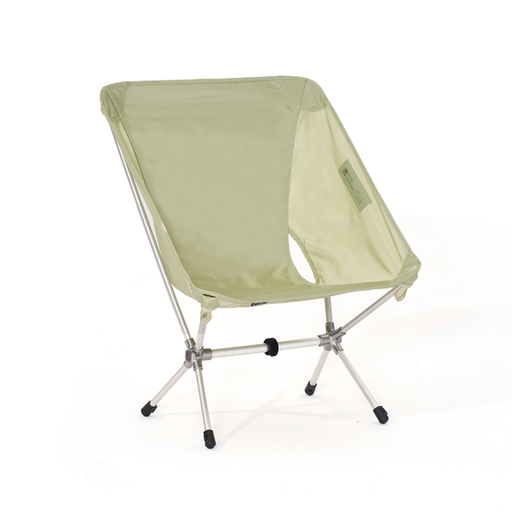
Why we chose it : For those who count every gram in their backpack, this model is a benchmark. Its feather-light weight and minimal packed size make it the perfect companion for long hikes.
It sidesteps the fragility trap thanks to its aerospace-grade aluminium alloy frame, which ensures excellent robustness without weighing down your pack.
Feather-light at 765 g and an ultra-compact size (36 x 11 cm packed). Near-instant assembly structure.
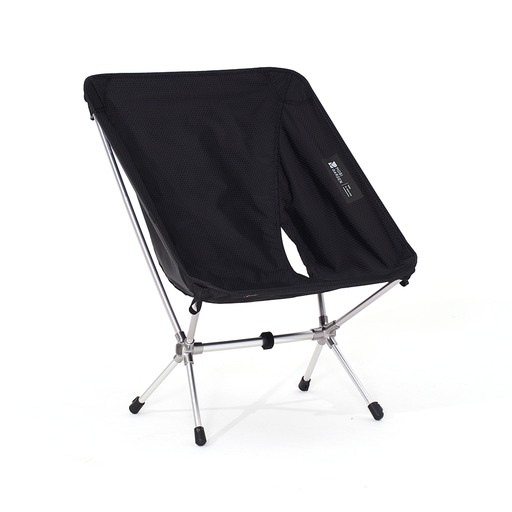
Why we chose it : The ideal compromise for those who want to combine lightness with real comfort to relax at the campsite after a long day of hiking.
Its triangulated structure and wide, non-slip feet make it unshakably stable, even on uneven campsite ground.
Supports up to 140 kg thanks to its ultra-durable Oxford fabric with high tensile and tear strength.
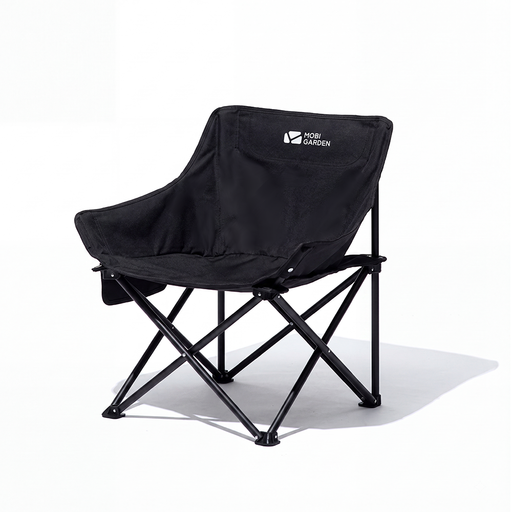
Why we chose it : The perfect solution for outings where comfort takes priority over feather-light weight: fishing, picnics, festivals... It focuses on robustness and ease of use, while keeping the weight very manageable.
Its reinforced carbon steel frame with anti-corrosion treatment is built to last, a far cry from the fragility of budget models.
Wide, enveloping seat, express setup, and a handy side pocket. Total weight of 2.35 kg.
Our full selection is packed with other gems that meet our strict selection criteria. Take a look!
It all depends on the quality and maintenance. A good model with an aluminium frame and Oxford fabric can last you for years. The secret to longevity? Clean off mud and dust after each outing, ensure it's completely dry before storing it, and keep it in its carry bag, away from moisture and sunlight.
It's incredibly simple. Most recent models use a shock-cord pole structure, similar to tent poles: the tubes are connected by an elastic cord and practically assemble themselves. Then you just clip the fabric onto the four corners. The entire process rarely takes more than a minute.
Stability largely depends on the design. Models with wide feet and non-slip pads perform much better on uneven terrain. A pro tip: always look for the flattest possible area to set up and avoid rocking or leaning sharply to the side, so you don't push the limits of its balance.