
Livraison le jour même ou le lendemain

Qualité garantie

Débloquez vos offres de bienvenue: Livraison GRATUITE | Jusqu'à -80 % | 30 jours d'essai gratuits à JoyPlus
Téléchargez l'application
After a long day of hiking, sitting on something other than a damp rock or an uncomfortable tree stump is a small luxury that makes all the difference. Yet, the thought of weighing down an already-packed backpack discourages many hikers. The promise of an ultralight folding camping chair is tempting, but the market is flooded with models that, once in the field, simply don't hold up.
As a product expert at Joybuy, my mission is to help you cut through the noise. Here are the pitfalls to avoid and the essential criteria for making the right choice.
The race to be the lightest sometimes hides major design flaws. To avoid ending up with a useless (and frustrating) purchase in the middle of nowhere, keep an eye out for these three points.
To ensure your future portable camping chair will live up to its promises, focus on this winning trio.
On a trek or a bivouac trip, every gram counts?: weight is therefore the number-one criterion. A model is considered "ultralight" if it comes in under the one-kilo mark. Anything heavier falls into the more traditional camping category. Also, check the packed size of the compact folding chair in its carry bag. The ideal?? A size comparable to a water bottle, which slips effortlessly into a side pocket of your pack.
The frame is the skeleton of your chair. The material it's made from determines both its weight and its strength.
Stability depends directly on the frame's architecture. A triangulated structure is often a good sign of proper force distribution. Take a close look at the feet?: wide, non-slip tips are essential to prevent sinking into dirt or sand and to ensure a good grip on rocks. The seat height also affects the overall comfort and balance of your bivouac chair.
Because every adventurer is unique, here are three models that meet very specific needs, selected based on the criteria we've just covered.
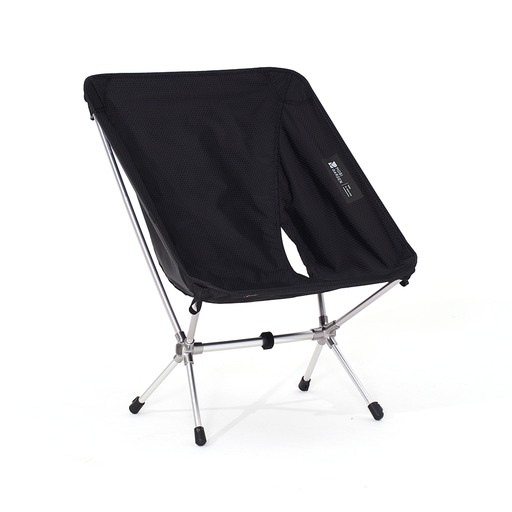
Why we chose it : For the hiker who counts every gram, this model is a no-brainer. Weighing in at just 765 g with a compact packed size (36 x 11 cm), it's the ideal trail companion that's easy to forget about on long-distance treks.
It avoids the fragility pitfall with its aerospace-grade aluminum alloy frame and triangulated structure, capable of supporting a static load of up to 140 kg.
Its weight-to-load capacity ratio is simply excellent. The ripstop Oxford fabric and wide feet complete a design that is truly built for the field.
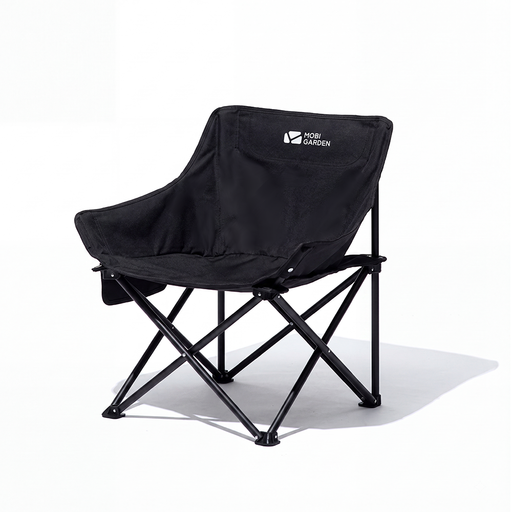
Why we chose it : Perfect for car camping, festivals, or short walks from the base camp. Its 2.35 kg weight is manageable for short distances and rewards the effort with a much wider and more comfortable seat.
It eliminates the risk of instability thanks to its sturdy carbon steel frame and X-shaped structure, which guarantee a solid base. The padded "moon" shaped seat comfortably cradles your back and hips.
The perfect balance between superior seating comfort (wide, enveloping) and a weight that remains portable for various uses : car, picnics, fishing...
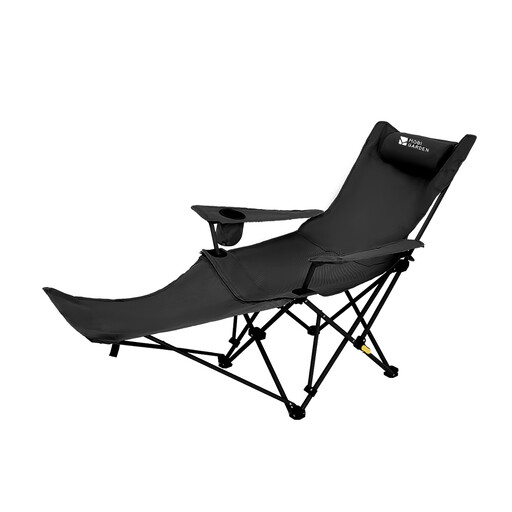
Why we chose it : Here, comfort is king and weight is no object. Ideal for van life, RV trips, long stays at the campsite, or simply relaxing in your garden. At 4.45 kg, you can forget the backpack : this is a true armchair.
This model is completely upfront : it's not made for hiking. It embraces its weight to offer maximum comfort thanks to its ergonomic design, headrest, and multiple reclining positions.
Its reclining backrest, perfect for napping or reading. Handy extras like the cup holder and storage pocket make it the ideal companion for moments of relaxation.
If camping means absolute comfort to you, especially for van life or RV setups, explore our selection of chairs designed for stationary comfort.
It all depends on the materials and your care routine. A good model with an aluminum frame and quality fabric (Oxford, Cordura), when well-maintained, will last you for many seasons. The best practice?: after each trip, clean off any mud and dust, dry it thoroughly before storing, and avoid leaving it in direct sunlight or rain.
First, look for the flattest spot possible. On soft ground (sand, wet earth), the feet will sink. Some models offer optional wider feet. A DIY trick?: place a flat rock or a piece of wood under each foot to create a stable base.
Absolutely, if the design and materials are up to par. A well-designed aluminum camping chair can support a static load of 100 to 140?kg while weighing less than a kilo. The number to check before buying is the maximum load capacity indicated by the manufacturer. It's the best indicator of its strength.