
Livraison le jour même ou le lendemain

Qualité garantie

Débloquez vos offres de bienvenue: Livraison GRATUITE | Jusqu'à -80 % | 30 jours d'essai gratuits à JoyPlus
Téléchargez l'application
An ultra-light folding camping chair can make a hiking break, an evening at the campsite or a day at a festival much more enjoyable. But not all models are created equal. A particularly compact seat may lack stability, while a comfortable folding chair can quickly become too bulky for a rucksack.
To avoid any unwelcome surprises, it’s better to check the materials, dimensions, weight and folding mechanism rather than relying on the “ultra-light” label alone.
A lightweight hiking chair needs to remain stable when unfolded. A low weight alone doesn’t guarantee that it will sit securely on uneven ground. Check the frame construction, the design of the feet and the stated maximum static load, if available.
Aluminium generally offers a good balance of low weight, strength and portability. Stability also depends on the seat’s shape and the size of its contact area with the ground.
A chair may look compact on a product page but end up taking up a lot of room in your boot or rucksack. For a trek, look for a compact camping chair with clearly stated folded dimensions. A model supplied with a carry bag will also be easier to store and less likely to lose a part or accessory.
Outdoor fabrics are exposed to dust, rain, mud and sunlight. Without regular care, the fabric can wear out more quickly and metal tubes can corrode. Choose a model that’s easy to maintain: a wipe with a damp cloth, drying in the shade and storage in a dry place are usually all it needs.
When you’re hiking or trekking, every gram counts. An ultra-light chair weighing less than a kilogram will fit easily into a rucksack, as long as you don’t expect the same comfort as a camping chair. Models weighing 3 to 4 kg are better suited to the garden, patio, balcony or car camping.
Check at least three details:
Always consider the weight in relation to how you plan to use the chair. A compact trekking chair is enough for a short break, while a wider seat is a better choice if you’ll be spending several hours at an outdoor event.
An aluminium outdoor chair is often valued for its low weight and resistance to corrosion in normal conditions. Oxford fabric and Textylene are commonly used for the seat and backrest. However, check the product specifications to confirm which materials are actually used.
Even hard-wearing fabric should be used in the conditions recommended by the manufacturer. Avoid repeated friction, storing the chair while it’s damp, and prolonged exposure to rain or sun.
Fully unfold the frame before use, ensuring that every foot is resting on firm, relatively level ground. Triangulated frames can reduce bulk while providing more points of contact, but they’re not suitable for steeply sloping ground.
Also check the maximum static load, if it’s stated. This figure doesn’t mean the chair can be used on an unstable surface, or that you can sit on the edges or upper parts of the frame.
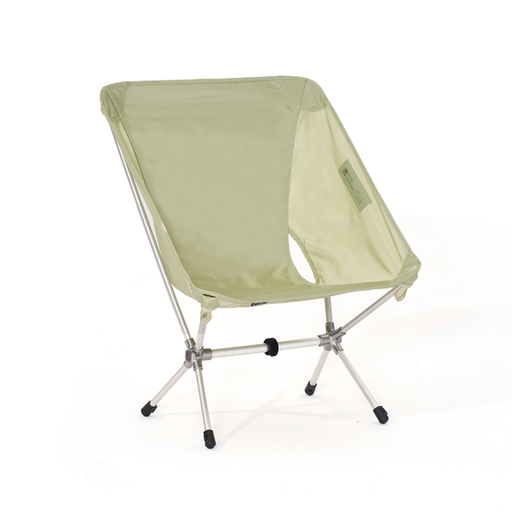
Why this chair suits you: Weighing around 765 g and measuring 11 × 11 × 36 cm when packed, this green camping chair is ideal for first hikes, picnics and trips where every centimetre counts.
The weight and packed dimensions are clearly stated, so you won’t end up with a chair that’s labelled portable but is a hassle to carry.
Aluminium tube frame, hard-wearing Oxford fabric, rubber feet and a stated static load of around 140 kg.

Why this chair suits you: This black model is for anyone looking for a more supportive seat for the garden, patio, balcony or outdoor events.
The product details specify its 3.5 kg weight, 43 cm seat height and overall dimensions of 56 × 65 × 103.5 cm.
Aluminium frame, black Textylene seat and backrest, adjustable seat angle and a folding design that’s easy to store.
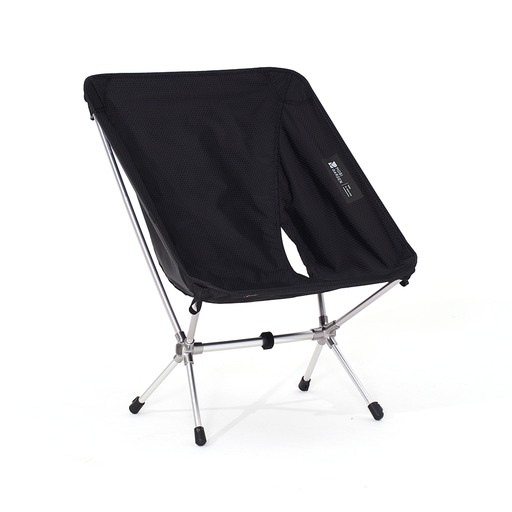
Why this chair suits you: This black ultra-light chair is designed for hikers, trekkers and travellers who regularly carry their own kit.
The quick, one-step set-up and carry bag make frequent breaks easier, without the need for lots of fiddling.
Around 765 g, folds down to 11 × 11 × 36 cm, aluminium alloy frame, Oxford fabric and non-slip feet.
We’ve put together a comprehensive, regularly updated selection of products that meet these demanding criteria and comply with European safety regulations.
Choose a hiking chair weighing less than a kilogram, with clearly stated packed dimensions. An aluminium frame, hard-wearing fabric and a carry bag are real advantages when you regularly need to carry and unpack your kit. For a trek, make sure the chair won’t take up too much room in your rucksack.
Fully unfold the frame on clear, firm and level ground. Check that every foot is resting securely on the ground before sitting down. Avoid sloping surfaces, sudden pressure on an armrest or the backrest, and hanging heavy objects from the sides.
After each trip, wipe away dust, grass, mud and moisture with a slightly damp cloth. Then leave the chair to dry in the shade before putting it in its bag and storing it in a dry, well-ventilated place. Don’t leave it out in the rain or direct sunlight for long periods, and always follow the maximum load stated on the product page.