
Livraison le jour même ou le lendemain

Qualité garantie

Débloquez vos offres de bienvenue: Livraison GRATUITE | Jusqu'à -80 % | 30 jours d'essai gratuits à JoyPlus
Téléchargez l'application
Thick, comforting, and satisfying, udon noodles are a cornerstone of Japanese cuisine. Whether served in a steaming broth or simply pan-fried, they promise a delicious and quick meal. But when faced with the overwhelming online selection, it's easy to make a misstep. Between packages that promise an authentic texture but deliver an inedible mush, and those that hide a laundry list of additives behind pretty packaging, it's hard to know what to choose.
Here at the editorial desk, our mission is to help you avoid that disappointment. This guide breaks down the common pitfalls and essential criteria to ensure your next pack of udon noodles is finally the right one.
To prevent your dinner from turning into a letdown, here are the two most common traps to be aware of:
To get it right, there are two key points to check first.
Knowing how to distinguish between these three types of noodles is the first step to mastering your future udon recipe.
A minimalist ingredient list is your best indicator. Packages that simply list wheat flour, water, and salt are the ones that most faithfully adhere to the authentic recipe.
There are also subtle differences depending on the origin. Japanese udon noodles are the most renowned for their thickness and chewy texture. Korean udon (sometimes called udong) has slight variations and is often found in classic dishes like jjajangmyeon (noodles in black bean sauce) or spicy soups.
To help you buy udon noodles that fit your needs, here are a few recommended options, each suited for a specific use case.
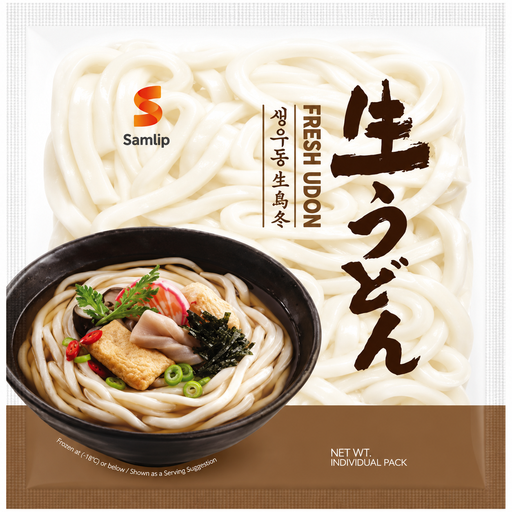
Why we chose it: The perfect solution for on-the-go lunches or last-minute dinners. These pre-cooked noodles are ready in 3 minutes flat, making them an ideal base for a quick and flavourful meal.
The brand promises a "soft and pleasantly chewy texture," reassuring you against the risk of ending up with overcooked noodles. A reliable choice for a successful, hassle-free consistency.
Convenience: ready in minutes. Versatility: perfect for soups, stir-fries, or even salads.
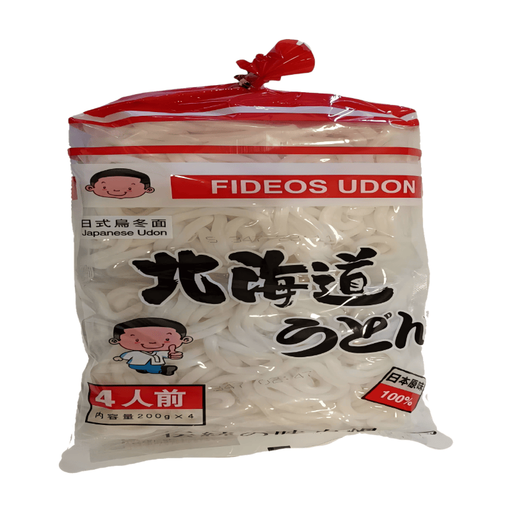
Why we chose it: For an udon soup or a Japanese hot pot (nabe), how well the noodles hold up during cooking is non-negotiable. This product is specially designed to stay firm and maintain its texture, even after simmering for a long time in a hot broth.
The promise is clear: these noodles "hold up well during cooking without sticking." Goodbye to the nightmare of noodles that fall apart and turn the broth into mush. Their clean ingredient list also guarantees an authentic taste.
Robust texture: thick and firm, they are perfect for soups and saucy dishes. Value pack: the 4-pack is ideal for families or serious udon fans.
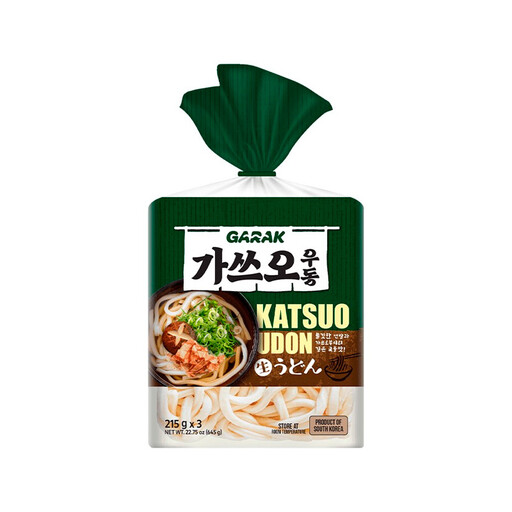
Why we chose it: The ultimate convenience solution for a complete and flavourful meal. This kit includes not only Korean-style udon noodles but also a seasoning packet to prepare a rich bonito-flavoured broth (katsuo).
This kit eliminates the risk of a failed flavour pairing. The seasoning is perfectly balanced to complement the noodle texture, guaranteeing a well-rounded and flavourful dish with zero effort.
Complete kit: includes noodles + broth seasoning. Express prep: a tasty meal ready in minutes, perfect for a lunch break.
We've curated a full selection of products that meet our quality standards and all current regulations.
Pre-cooked udon noodles are soft, sold vacuum-sealed, and ready in 2 to 3 minutes. They are unbeatable for speed. Dry udon noodles, on the other hand, are hard, have a much longer shelf life, and require 8 to 12 minutes of cooking. They are more economical and have the added benefit of absorbing the flavours of the broth very well.
Once the package is opened, pre-cooked udon noodles should be refrigerated and consumed within 24 to 48 hours. It's always best to follow the specific instructions on the packaging.
Absolutely! Their thick, robust texture makes them incredibly versatile. They are delicious pan-fried (Yaki Udon), served cold in the summer with a dipping sauce (Zaru Udon), or even in Korean-inspired fusion dishes like the fiery Buldak Udon.