
Livraison le jour même ou le lendemain

Qualité garantie

Débloquez vos offres de bienvenue: Livraison GRATUITE | Jusqu'à -80 % | 30 jours d'essai gratuits à JoyPlus
Téléchargez l'application
Thick, chewy, and comforting… udon noodles are a cornerstone of Japanese cuisine. Whether you're dreaming of a steaming udon soup or a fragrant stir-fried yaki udon, it all starts with choosing the right noodles. But with so many options crowding the shelves, it's easy to make a mistake and watch your dream dish turn into a culinary disappointment.
As a product expert for Joybuy, my mission is to help you navigate the choices. This guide breaks down the common pitfalls to avoid and the essential criteria for finding the perfect udon noodles for your recipes.
Don't be fooled by marketing. Here are three common mistakes that can ruin your dish before you even turn on the stove.
To get it right every time, there are two criteria to examine closely. These will determine the texture, flavour, and ultimately, the success of your dish.
Each format has its own advantages and uses. Your choice will depend on the timeless trade-off between convenience and control over the final result.
The golden rule: a short ingredient list is almost always a sign of quality. For plain udon (either dried or pre-cooked), the ideal composition comes down to three words: wheat flour, water, salt.
Some additives are common and harmless, but it helps to know what they are:
For authentic Japanese udon noodles, the quality of the wheat flour is paramount and will make all the difference in taste and texture.
To help you choose, here are our top picks, each catering to specific needs without ever sacrificing quality.
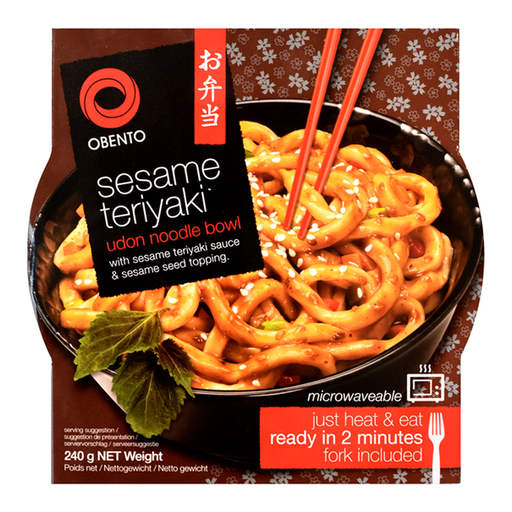
Why we love it: Perfect for a quick lunch at the office or for students short on inspiration. This all-in-one bowl combines noodles, sesame teriyaki sauce, and dehydrated vegetables. Just a few minutes in the microwave is all it takes for a complete and comforting meal.
This all-in-one kit eliminates the risk of a flavour mismatch: the sauce and noodles are perfectly paired. The texture is optimised for express preparation.
Ultimate convenience: a hot, delicious meal ready in 3 minutes flat, with minimal washing-up.
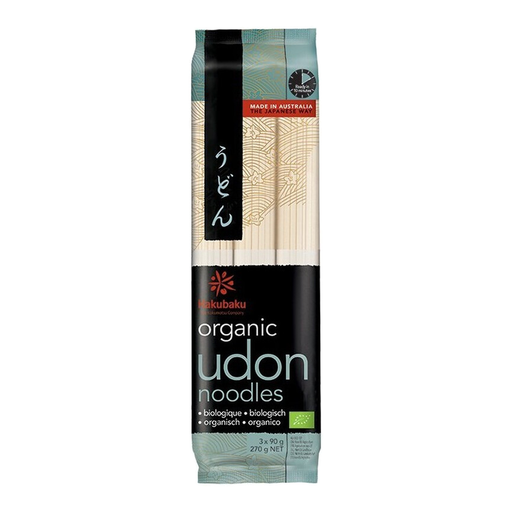
Why we love it: For those who love to control their dish from start to finish. Made from organic wheat, these dried noodles give you complete control over the cooking process to achieve that perfect *mochi mochi* texture, whether in a soup or a stir-fry.
With its ultra-minimalist ingredients (organic wheat flour, salt), it sidesteps the additive trap. The dried format guarantees a perfect texture, avoiding the risk of gumminess found in some pre-cooked noodles.
The quality of the ingredients and control over the texture. The organic certification is a real bonus for discerning consumers.
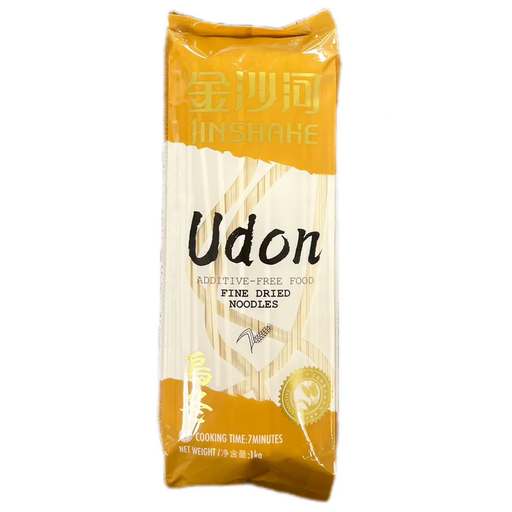
Why we love it: This large 1 kg pack is the budget-friendly solution for families or fans of Asian cuisine. Versatile and with a long shelf life, these dried noodles ensure you always have an excellent base on hand.
Simple dried noodles (flour, water, salt) deliver a reliable texture without the additives found in pre-cooked versions. The generous size offers unbeatable value for money.
Value and versatility. Perfect for making everything from soups to yaki udon for the whole table.
Discover our full selection of products that meet our quality standards and all current regulations.
Yes, it's highly recommended, especially for pre-cooked noodles or if you're preparing a cold dish or a stir-fry (yaki udon). Rinsing them under cold water stops the cooking process, prevents them from sticking together, and removes excess starch as well as the slight sour taste from some preservatives. For a hot soup, however, simply draining them is enough before adding them to the broth.
The difference is subtle and lies more in the preparation than in the noodles themselves. Japanese udon noodles are traditionally served in light, delicate, dashi-based broths. Korean udon noodles (udong), on the other hand, are often paired with bolder, spicier flavours, such as in kimchi or gochujang-based soups. The texture can also vary, with Korean versions sometimes being slightly softer.
Once the package is opened, pre-cooked udon noodles don't last long. They must be consumed within 24 hours and kept in the refrigerator. In all cases, refer to the specific instructions on the packaging.