For easy, no-cut serving
If everyone should be able to grab a portion easily, individually wrapped cakes and small portions save you having to cut a cake when it’s time to serve.


For an easy-to-serve portion for everyone, choose individually wrapped cakes. If you’d rather let everyone help themselves at their own pace, go for mini biscuits to share. If you’re planning a plated dessert, check the storage and serving instructions for the product you choose. Whatever the format, check the allergens, nutritional information per 100 g and number of portions.
If everyone should be able to grab a portion easily, individually wrapped cakes and small portions save you having to cut a cake when it’s time to serve.
If your guests would rather have a few bites than a whole portion, mini biscuits and other bite-sized treats can be put out for everyone to share.
If any guests need to avoid certain ingredients, check the allergens in each recipe. When comparing two products, also look at their nutritional information per 100 g.
Choose these if: you want to give one to each person and leave the other packs unopened.
Bear in mind: the packaging alone doesn’t tell you what’s in the recipe.
Choose these if: everyone would prefer to take a few biscuits and choose how many they have.
Bear in mind: unlike giving one item to each person, serving biscuits to share doesn’t define how much each person takes.
Choose these if: you’re planning a dedicated dessert moment rather than a long grazing session.
Bear in mind: you’ll need to organise serving and follow the product’s storage instructions.
| What to consider | What to check | Who is it for? |
|---|---|---|
| Serving without cutting | Number of portions and the weight of each, if stated. | I want to give every guest a portion without opening the whole pack; around 30% of consumers would make this their priority. |
| Grazing and variety | Mini format, dispensing box or packs that can be opened gradually. | For trying several biscuits without having a whole portion, around 30% of consumers would prioritise the freedom to graze. |
| Allergens and ingredients | Ingredients list, allergens and nutritional information per 100 g. | If a guest needs to avoid an ingredient, I need to check each recipe before serving it; this would be the main concern for around 30% of consumers. |
| Quantity and leftovers | Net weight and number of items per pack. | To avoid opening more portions than necessary, around 10% of consumers would first focus on choosing the right quantity for their group. |
A single-serve pack makes distribution easier, but its format doesn’t tell you how much sugar or energy the cake contains, or which allergens it includes.
Compare the nutritional information per 100 g, then consider how much you actually plan to serve.
Two similarly sized cakes can have different ingredients lists. The DGCCRF reminds shoppers that allergens in prepacked foods must be highlighted.
Ask the guests concerned which ingredients they need to avoid, then check the label for each product, including any possible trace warnings.
A large pack doesn’t tell you how many items everyone can have or how many will be left unopened after the evening.
Before choosing between one large pack and several smaller ones, compare the number of items and net weight with the number of guests.
Single-portion packaging doesn’t tell you how to store a dessert or when to serve it.
Read the storage instructions and plan how you’ll serve it based on the product you choose.
The brand offers assortments of soft cakes in individual or sharing formats.
St Michel offers Tam Tam in individual packs and mini biscuits in a dispensing box.
The retailer offers portion-sized pastries, including Carrefour Extra mini cakes.
The retailer offers own-brand biscuits in a range of formats.
Its ranges include individually packed treats and biscuits in freshness-seal packs or mini formats.
The retailer has a biscuits and cakes range that includes Sondey products.
These Joybuy cakes and biscuits are best suited to portioned servings or snacking from smaller packs. To choose between them, distinguish individually wrapped items from packs of biscuits to share.
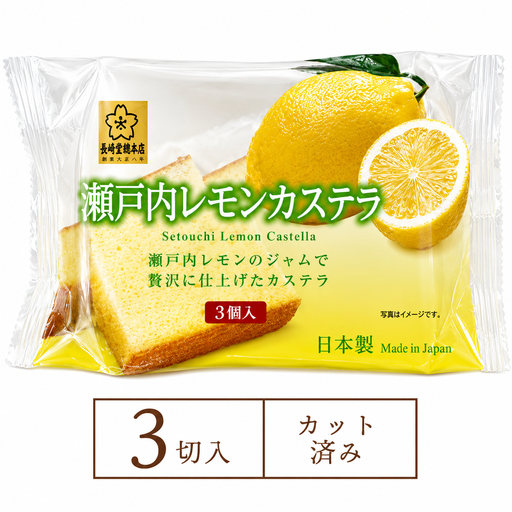 Image unavailable
Worth considering if you want to share small cakes among a few guests. Check the ingredients and allergens on the packaging before serving.
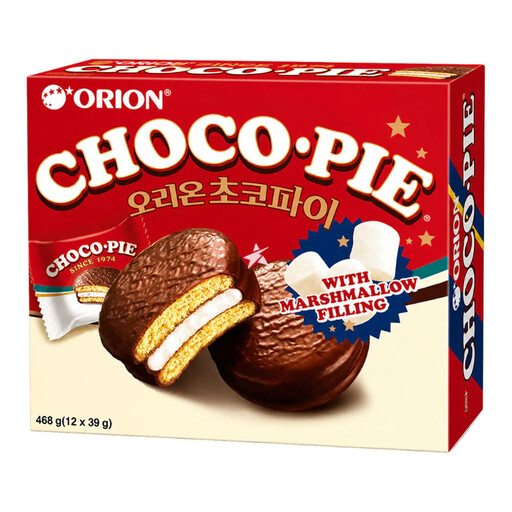 Image unavailable
Worth a look if you’re after chocolate cakes for a group. Check the number of pieces and allergens for this product before planning one portion per person.
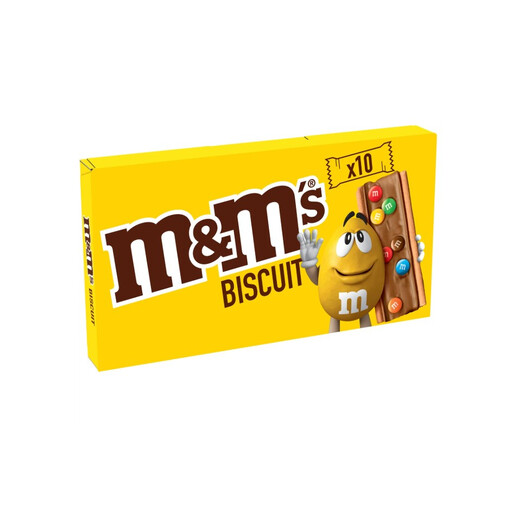 Image unavailable
The pack of ten could be a good choice if you want to hand out biscuits without cutting anything. Check the product label if a guest needs to avoid an allergen.
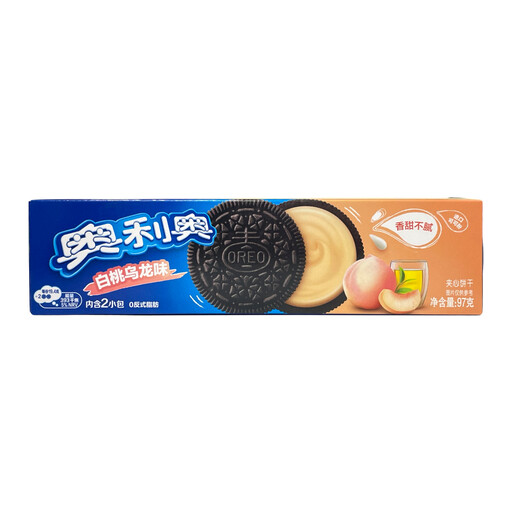 Image unavailable
The two packs let you open the biscuits gradually for sharing. If you’re planning one biscuit per guest, check how many biscuits are in each pack first.
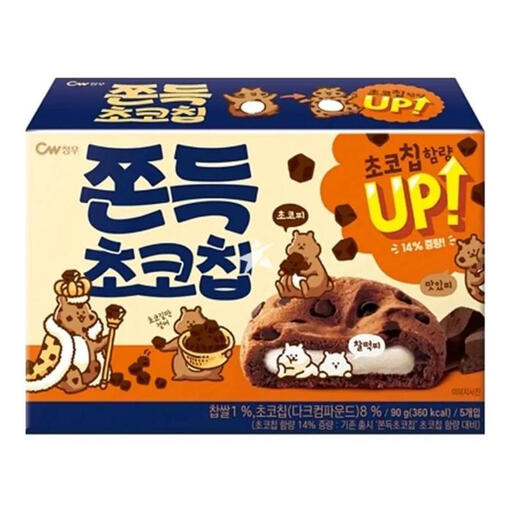 Image unavailable
Worth considering if you want to offer chocolate biscuits without cutting a cake. Check how many pieces are in the 90 g pack and read the full label before serving.
Read the label for the exact product before serving it. The DGCCRF says allergens in prepacked foods must be highlighted in the ingredients list; also check for any possible trace warnings.
No: “individual” describes the format, not what’s in the cake. Check the allergens and nutritional information per 100 g. The figures per portion only help you assess what’s being served if it matches the stated portion size.
Compare the figures per 100 g before looking at the per-portion information. The DGCCRF presents this common basis as a way to compare foods; then check how many items you actually plan to serve.
Follow the date and storage instructions on the packaging. Don’t assume that a plated dessert can be stored or left on the table in the same way as a dry biscuit.