Buffet managers who want the tuna to be visible
If the pieces need to be identifiable on a plate or in a dish, look for products labelled as fillets or whole tuna rather than assuming that all tins contain tuna in the same form.


Tinned tuna can work well on a self-service buffet: choose fillets or whole tuna if the shape of the pieces matters, then compare drained weight, ingredients and storage instructions after opening. However, tinned tuna won’t meet a requirement for fresh fillets cooked on the day; that calls for a separate purchase of fresh fish and service arrangements.
If the pieces need to be identifiable on a plate or in a dish, look for products labelled as fillets or whole tuna rather than assuming that all tins contain tuna in the same form.
A product described as already drained, such as the one from Petit Navire, can save you a preparation step. The format you choose should also suit how you’ll manage opened tins during service.
Drained weight, ingredients, salt content and tin size can help you choose a product based on the number of covers and the possibility of leftovers.
First decide whether your service calls for tinned tuna that’s ready to use, or fresh fish to cook. For tinned tuna, compare the form of the pieces, the drained quantity and the instructions for each product. You should assess tuna in oil in the same way, by checking the label and considering how you plan to use it.
| Criteria | What to check | What matters to consumers |
|---|---|---|
| Form of the pieces | Check the product description — fillets, whole tuna, chunks or flakes — and look for any warnings about bones. | When the pieces will be visible on the buffet, I look for a clearly identified form, without confusing it with fresh fish. Around 31% of consumers would put this first. |
| Preparation and storage | Check whether the tuna needs draining, then read the instructions for after opening and plan how to manage temperatures during service. | If the buffet needs to be set up quickly, I want to keep handling to a minimum while planning what to do with an opened tin; around 25% of consumers would prioritise this. |
| Ingredients and composition | Read the ingredients and compare the salt content per 100 g of the products you’re considering, both in spring water and in oil. | When putting together the buffet selection, I want to know what each tin contains rather than relying on the recipe name alone. Around 25% of consumers would make this a priority. |
| Portions and leftovers | Compare the net drained weight when the tin contains a covering liquid, and choose tin sizes to suit the amount being served. | When the number of covers varies, I look for a usable quantity that minimises opened tins; around 19% of consumers would put portioning first. |
A tin may contain fillets, but the tuna has already been prepared and canned. It’s therefore not suitable for an offering presented as fresh fish cooked on the day.
Choose what to buy based on the service you’re actually providing: tinned fillets for a dish made with tinned tuna, or fresh fish if it needs to be cooked that day.
When tuna is packed in a covering liquid, the total weight doesn’t represent the weight of the tuna alone. The DGCCRF notes that the net drained weight must be stated in this case.
Use the drained weight shown on the packaging to compare the quantity of fish and plan your portions.
A large pack may leave you with unused tuna. For its tuna fillets in spring water and MSC whole tuna in spring water, Saupiquet advises refrigerating the tuna and eating it within two days of opening.
Choose tin sizes according to the quantities your hotel can serve, while following the instructions for the product you’ve bought.
Anses recommends eating different fish species and choosing fish from different sources. Choosing a tinned product doesn’t replace the need to consider the wider selection.
Consider how tuna fits in with the other fish on offer, rather than basing the whole selection on a single product.
The range includes whole tuna in spring water that’s already drained, as well as other products in spring water.
The range lets you consider tuna fillets in spring water and MSC whole tuna in spring water separately.
One product of whole yellowfin tuna in spring water is sold in a pack of three tins, each with 56 g of drained tuna.
These products are for serving tinned tuna, with formats to consider based on your portions and preferred presentation. They aren’t a substitute for fresh fillets intended to be cooked on the day.
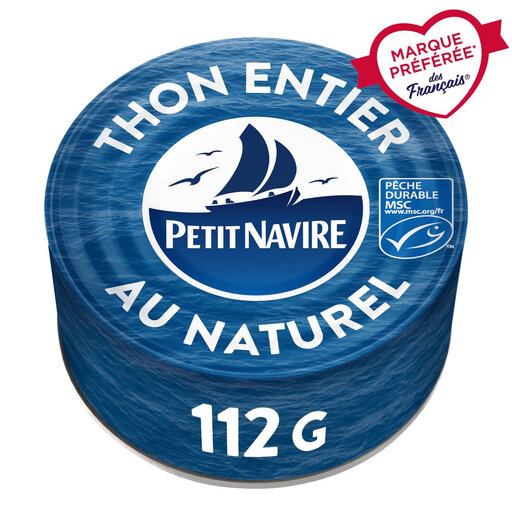 Image unavailable
Worth considering when the drained quantity of tuna determines how you portion the buffet. Check the form of the pieces if presentation is important.
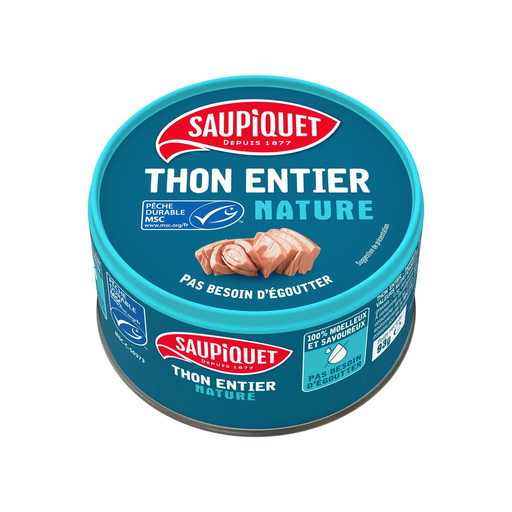 Image unavailable
Consider this if you’re looking for a small tin labelled as whole tuna. Check the drained weight to work out portions. After opening, plan to transfer the contents, refrigerate them and eat them within 24 hours, as instructed for this product.
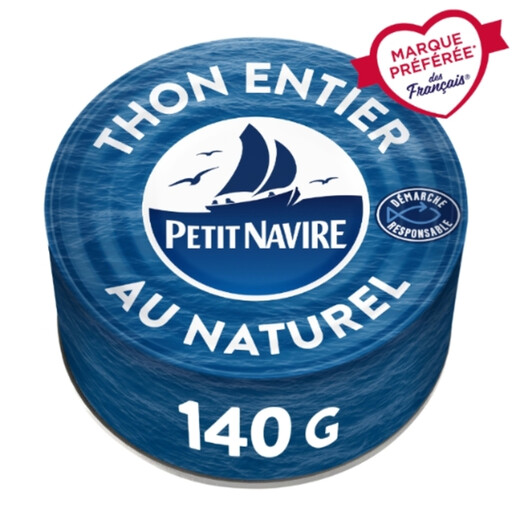 Image unavailable
Worth considering when portions are based on drained weight: 98 g is stated for this product. If you want the pieces to remain visible, check their form. After opening, the instructions say to transfer the tuna to a non-metallic container, refrigerate it and eat it within 24 hours.
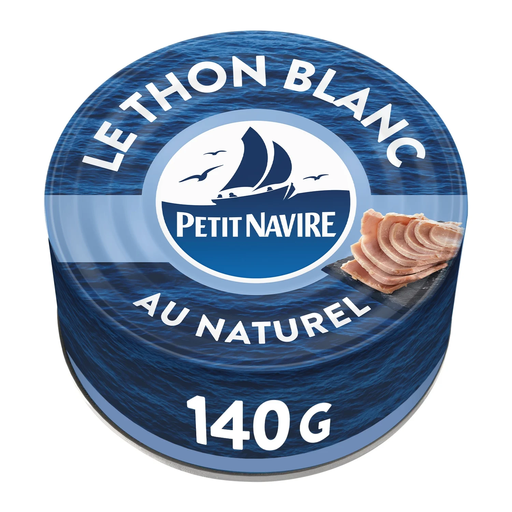 Image unavailable
For a buffet, check the drained weight and form of the pieces before deciding on portions and presentation. The description notes that bones may be present. After opening, the instructions say to transfer the tuna to a sealed container, refrigerate it and eat it within 24 hours.
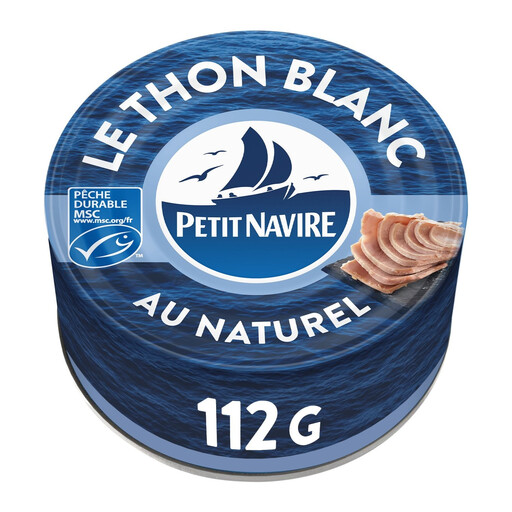 Image unavailable
Compare it with other tuna in spring water if this format suits your service. Check the drained weight and form of the pieces on the packaging. For this product, the instructions after opening are to refrigerate the tuna and eat it within two days.
No, not if the offering is meant to include fresh fish cooked on the day. Tinned fillets have already been prepared and canned. Fresh fillets require a separate purchase, as well as separate arrangements for storage and cooking.
Check the product description, ingredients, allergen information, quantity and storage instructions for the product you’re buying. For a product packed in a covering liquid, the DGCCRF says the label must also state the net drained weight. Use this figure to compare the quantity of tuna.
Follow the instructions for the product you’re using rather than applying the same storage time to every tin. For its tuna fillets in spring water and MSC whole tuna in spring water, Saupiquet advises refrigerating the tuna and eating it within two days of opening. The hotel should also follow its service procedures and temperature-control requirements.
Tuna doesn’t need to be served at every breakfast. Anses recommends eating different fish species and choosing fish from different sources. This advice relates to the overall food selection, not the quality of any one tinned product.
Service must follow the instructions for the product and the establishment’s hygiene procedures. The DGCCRF reminds food businesses that they must control hot or cold chains and applicable temperatures. How this is done depends on the hotel’s plans for preparation, display and storage.