Households with frequent laundry and limited space
If your airer regularly takes up space in your living area, check the tumble dryer’s capacity, dimensions with the door open, noise level and installation requirements.


If you do laundry frequently and need to clear the airer from your living space quickly, a heat pump tumble dryer could be a good solution, provided you can install and maintain it as set out in the instructions. If you want to keep using an airer, a dehumidifier can help reduce moisture in the air, but it won’t replace the space needed for your laundry or proper ventilation. A fan can help improve air circulation.
If your airer regularly takes up space in your living area, check the tumble dryer’s capacity, dimensions with the door open, noise level and installation requirements.
If you’d rather keep using a portable option than install a large appliance, first consider where your laundry can dry without obstructing your way around the room, and how well the room is ventilated. The Anses recommends drying laundry in a well-ventilated room.
For wool, silk or outdoor clothing, check the manufacturer’s listed programmes against the care labels on your clothes. A dedicated programme doesn’t mean every fabric is suitable for tumble drying.
First decide whether you need to clear the room after each wash or can keep an airer in a suitably ventilated space. Your washing machine’s spin cycle can also reduce the amount of water left in your laundry before drying, as ADEME points out.
Consider this if: you need to dry laundry regularly without leaving an airer in your living space.
Bear in mind: you’ll need a suitable spot, a way to manage condensate and to carry out the maintenance set out in the instructions.
Consider this if: you’re keeping your airer and want to reduce moisture in the room where your laundry dries.
Bear in mind: the airer will still take up space, and a dehumidifier doesn’t remove the need for proper ventilation.
Consider this: as an extra in a room where laundry can dry with proper ventilation.
Bear in mind: a fan doesn’t collect the water released by laundry or replace ventilation.
| Priority | What to check | Who is this for? |
|---|---|---|
| Free up the room | Capacity in kg, dimensions with the door open and the space needed to install the tumble dryer. | When one load follows another, I can’t leave an airer taking up space in the living area for several days. Around 36% of consumers put this need for space and a quicker laundry routine first. |
| Manage moisture | Room ventilation or extraction; for a dehumidifier, its operating conditions and water collection method. | If I keep using an airer, I want to prevent moisture from the laundry building up in the room. Managing moisture is the top priority for around 29% of consumers. |
| Keep appliances to a minimum | Space available for each appliance and, for a tumble dryer, energy consumption shown in kWh/100 cycles. | I can wait for my laundry to dry, but I want to limit the number of permanent appliances and the demands they bring. Around 21% of consumers prefer this compromise. |
| Look after delicate fabrics | Care labels, suitable programmes and the permitted load for each programme. | If I often dry delicate clothes, compatibility with the programme matters more to me than speed. This is the top priority for around 14% of consumers. |
Laundry drying indoors releases moisture into your home. ADEME and Anses recommend a well-ventilated room or one with suitable extraction. Removing water from the air with an appliance won’t, on its own, fix poor ventilation.
Check that the air inlets and ventilation are working, then choose a dehumidifier to suit the room where you keep your airer.
You’ll also need to manage the collected water and the appliance’s electricity use.
Two appliances with the same capacity can differ in noise, size and how they handle condensate. These differences matter when the appliance shares your living space.
Measure the space and doorways, then check the instructions for the door opening, ventilation around the appliance and water drainage.
A programme’s name doesn’t override the fabric’s care instructions. Electrolux recommends checking the manual for drying guidance for different types of laundry.
Read the garment’s care label first, then check the programme and permitted load for the model you’re considering.
According to the Institut national de la consommation, the energy label scale for tumble dryers changed from A+++–D to A–G on 1 July 2025. A rating from one scale therefore can’t be compared with a rating from the other on its own.
Compare product information using the same scale, and also check the energy consumption shown in kWh/100 cycles.
Bosch heat pump tumble dryers are worth considering if capacity, noise and condensate management are key to your choice.
The DelicateCare range may appeal to households looking at programmes for delicate fabrics.
The T1 range offers different capacities to compare according to your laundry loads and available space.
De’Longhi Tasciugo dehumidifiers are worth considering if you’ll continue drying laundry on an airer.
These models cover two needs: drying laundry in an appliance so you don’t have to leave an airer out, or keeping your airer while reducing moisture in the air. Before choosing, check that the model’s installation requirements suit the room where you plan to use it.
 Image unavailable
Worth considering if frequent laundry makes an airer an inconvenience in your living space. The model title lists an 8 kg capacity and a C energy rating. Before choosing this appliance, check its dimensions, noise level, energy consumption in kWh/100 cycles and installation requirements.
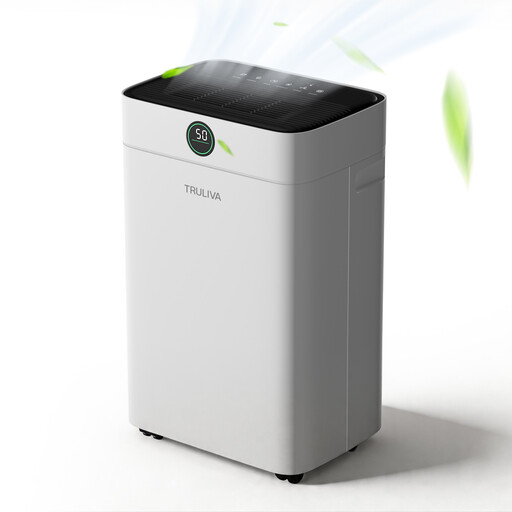 Image unavailable
Designed to complement an airer when reducing moisture in the air is a priority. The title mentions a 2.8 L tank and a continuous drainage hose. The 25 L/day figure is stated for specific conditions and doesn’t predict how much water will be collected in your room. You’ll still need an airer and proper ventilation.
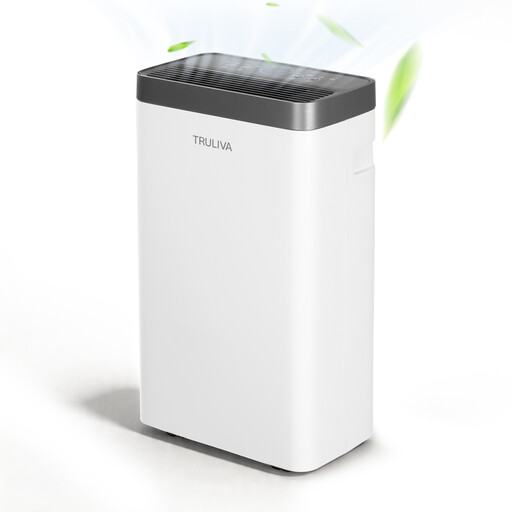 Image unavailable
Worth considering if you want to keep drying laundry on an airer while collecting some of the moisture from the air. The title lists a coverage area of around 32 m², a 24-hour timer and continuous drainage. The stated coverage area doesn’t guarantee the same results in every room. Check where you’ll place it and make sure the room is properly ventilated.
 Image unavailable
An option to consider if you want to dry your laundry without leaving an airer in the room. The title lists an 8 kg capacity and a D energy rating; check the documentation for this variant to confirm its capacity and programmes. Also check the dimensions, noise level, energy consumption in kWh/100 cycles and installation requirements.
Not if the appliance needs to vent outside and your home doesn’t allow for this. Check the type of tumble dryer and its instructions rather than assuming that every model handles water in the same way. The European Commission says that, since 1 July 2025, only household heat pump tumble dryers can be placed on the EU market. This doesn’t, on its own, describe appliances you already own.
No. It can reduce moisture in the air, but it doesn’t replace proper ventilation. For laundry dried on an airer, ADEME recommends a large, well-ventilated room or one with extraction. Anses also advises drying laundry in a well-ventilated room.
Compare their energy ratings using the same scale, and check their energy consumption in kWh/100 cycles, bearing in mind that this figure may not reflect your actual energy use. The Institut national de la consommation notes that the old A+++–D scale changed to A–G on 1 July 2025, so ratings from the two formats aren’t directly equivalent.
Measure the space and clearance needed to open the door, then check the model’s instructions for its electrical supply, ventilation around the appliance, permitted temperature range and condensate management. If you have any concerns about your home’s electrical installation, ask a qualified professional to check it before plugging in the appliance.