Households with frequent loads of washing
If you dry several loads a week and can fit in a second appliance, compare the capacity of a separate tumble dryer, where you’ll put it and how it collects or drains condensed water.


If you often dry large loads and have the space, a separate tumble dryer means you won’t have to leave washing on an airer in the room. A washer-dryer is better suited to homes short on space, but some models have a lower drying capacity than washing capacity, and drying can take longer than with a separate appliance, as UFC-Que Choisir points out. If you prefer to use an airer, choose a suitable spin setting and put it in a large, well-ventilated room or one with an extractor, in line with ADEME’s recommendations.
If you dry several loads a week and can fit in a second appliance, compare the capacity of a separate tumble dryer, where you’ll put it and how it collects or drains condensed water.
A washer-dryer combines both functions in one machine. However, check how much laundry it can dry after washing: UFC-Que Choisir highlights that drying capacity is lower than washing capacity.
If you can leave your washing to dry in a suitable room, an airer lets you avoid using a tumble dryer. ADEME recommends a large, well-ventilated room or one fitted with a mechanical ventilation extractor, as drying laundry adds moisture to the indoor air.
Consider this if: you have a well-ventilated room where you can leave laundry to dry.
Bear in mind: the airer takes up space in the room, and the laundry releases moisture into it, as ADEME points out.
Consider this if: you regularly dry loads and have space for a dedicated appliance.
Bear in mind: you’ll need a suitable space and a way to manage condensed water, depending on the model you choose.
Consider this if: you need to wash and dry laundry but can’t fit two appliances.
Bear in mind: drying capacity may be lower than washing capacity, and drying may take longer, according to UFC-Que Choisir.
| What to consider | What to check | What I need |
|---|---|---|
| Room for drying | If you’re using an airer, look for a large, well-ventilated room or one with a mechanical ventilation extractor. ADEME highlights the moisture released by laundry drying indoors. | I prefer to air-dry my laundry, but I need a suitable space where I can leave it to dry. |
| Drying capacity | For a washer-dryer, check the washing and drying capacities separately. For a separate tumble dryer, compare its capacity with the size of your usual loads. | I want to know whether my washing can be dried all at once or if I’ll need to take some of it out. |
| Cycle times | Compare the duration of the programme you’ll use with the amount of laundry it can handle. UFC-Que Choisir says a washer-dryer takes longer to dry than a conventional tumble dryer. | When you have several loads in a row, how long you’ll have to wait for your laundry matters just as much as the stated capacity. |
| Energy and water | For a tumble dryer, check the A to G label that has applied since 1 July 2025, according to the European Commission. For a washer-dryer, distinguish between figures for washing alone and those for a wash-and-dry cycle, and check water use too. | I want to compare the resources used for drying, rather than assume that the washing energy rating applies to the whole cycle. |
| Installation and spin cycle | Measure the space and check the manual for clearance, connections and drainage requirements for the exact model. If you air-dry your laundry, also consider the spin cycle and the types of fabric you wash. | My choice needs to fit in my home and suit the way I wash and dry my laundry. |
A full wash load may be more than the machine can dry in one go. For example, the Electrolux EW9W1166RB product sheet lists a 10 kg washing capacity and a 6 kg drying capacity.
Compare both capacities with the amount of laundry you expect to dry after each wash.
ADEME identifies air-drying laundry as a significant source of moisture in indoor air. A bigger airer won’t change the conditions in the room.
Instead, choose a large, well-ventilated room or one with a mechanical ventilation extractor.
According to the European Commission, tumble dryer energy labels have used the A to G scale since 1 July 2025. So an older rating can’t be read in the same way as a rating on this scale.
When comparing models, check their labels and product information to make sure they use the same scale.
An appliance may collect condensed water in a tank. Direct drainage depends on the model and may require a compatible accessory.
Check the manual to see whether a hose is supplied or whether a kit is suitable for the model you’ve chosen, then check where the waste outlet is.
If the model needs a compatible kit for your preferred drainage setup, you’ll need to factor this accessory into the installation.
These examples of product ranges can help you identify features to compare; capacities and accessories vary by model.
Bosch France offers separate heat pump tumble dryers, including models with 8 kg and 9 kg capacities.
Electrolux France includes the EW9W1166RB heat pump washer-dryer in its range, with a stated capacity of 10 kg for washing and 6 kg for drying.
LG France offers washer-dryers that combine washing and drying in one appliance, including models with stated capacities of 8 kg for washing and 5 kg for drying.
These Joybuy options include separate heat pump tumble dryers for homes with room for a second appliance, followed by washer-dryers that combine both functions in one machine.
 Image unavailable
A separate appliance to consider if you regularly dry laundry and have a dedicated space for it. The product name states an 8 kg capacity and a C energy rating.
Before choosing, check the dimensions, clearance and water collection or drainage requirements in the manual, as well as the duration and energy use of the programme you’re interested in.
 Image unavailable
Its stated 10 kg capacity is worth comparing with your usual loads if you’re considering a separate tumble dryer. The product name states a D energy rating.
Measure the available space and check the manual for clearance and water collection or drainage requirements. Also check the energy label and programme times before comparing it with another model.
 Image unavailable
This 8 kg model is worth comparing with the amount of laundry you usually dry. The product name states a D energy rating and mentions a refresh programme, but this doesn’t indicate how well it performs in use.
Check the installation dimensions, how the water is collected or drained, and the energy use and duration of programmes for the exact model.
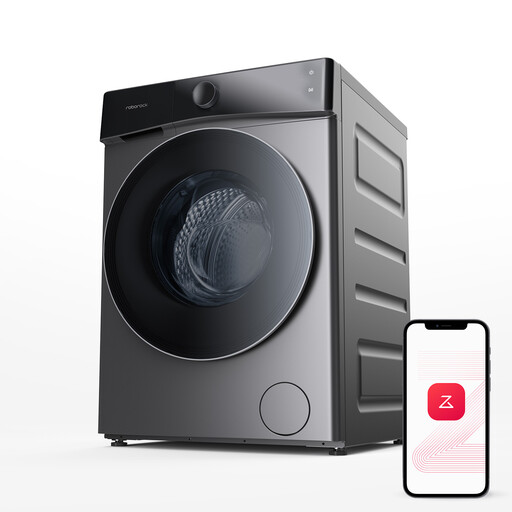 Image unavailable
It combines washing and drying in one appliance if you don’t have room for two machines. Its stated capacity is 10 kg for washing and 6 kg for drying, so you’ll need to reduce a full wash load before drying it.
Compare the duration and energy and water use of the wash-and-dry cycle for your load, as well as the required dimensions and connections.
 Image unavailable
This model combines both functions if you can’t fit in a separate tumble dryer. Its stated capacities are 11 kg for washing and 6 kg for drying, so don’t expect to dry a full wash load in one go.
Check the duration and energy and water use of the wash-and-dry programme suited to your load, then check the clearance and connections required in the manual.
For household tumble dryers placed on the EU market since 1 July 2025, the European Commission says that only heat pump models are permitted. When comparing appliances currently available, check their A to G energy label and product information.
Not necessarily: condensed water can be collected in a tank. Some models allow direct drainage with a connection or compatible kit. Check the manual and the exact accessory reference before planning this installation.
Only if the load doesn’t exceed its stated drying capacity. For example, the Electrolux EW9W1166RB product sheet lists a washing capacity of 10 kg but a drying capacity of 6 kg, so a full wash load would need to be reduced or dried in more than one go.
ADEME recommends a large, well-ventilated room or one fitted with a mechanical ventilation extractor. This is to manage the moisture released by drying laundry; it doesn’t replace checking for any underlying damp problem in your home.