
Livraison le jour même ou le lendemain

Qualité garantie

Débloquez vos offres de bienvenue: Livraison GRATUITE | Jusqu'à -80 % | 30 jours d'essai gratuits à JoyPlus
Téléchargez l'application
Choosing a new tumble dryer can quickly become a headache. Between marketing promises, endless technical specs, and baffling technology names, it's easy to get lost. Yet the goal is simple: to find a reliable appliance that cares for your laundry without sending your electricity bill sky-high. However, many buyers fall into common pitfalls, leading to disappointment down the line.
As the Head of Product Recommendations at Joybuy, my mission is to help you see things more clearly. Let's review the mistakes to avoid and the essential criteria for making the right choice.
Before you even start comparing models, it's crucial to know the most common traps that turn a promising purchase into a daily regret.
To ensure your future appliance meets your expectations, focus on these three pillars.
This is the number one technical criterion. It determines both energy consumption and the care given to your fabrics.
The drum capacity, expressed in kilograms (kg), should be suited to the volume of laundry you typically wash.
In any case, remember to measure the available space before buying, leaving enough room for ventilation at the back of the appliance.
Beyond the classic cycles (cotton, synthetics), certain options add real value:
Every household is unique. Here is a selection of models that meet specific needs, while avoiding the pitfalls we've just discussed.
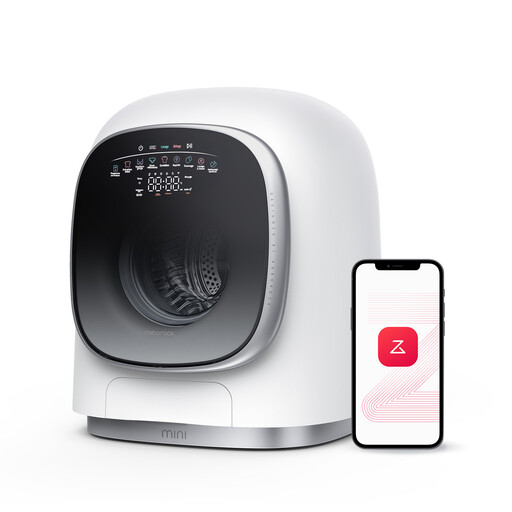
Perfect for a studio, a small flat, or for separately treating delicate laundry. Its dual washer and dryer function is the ultimate space-saving solution.
Here, the smart features are not a gimmick. They are used to customise highly specific cycles (over 20 programmes), which is perfectly relevant for an appliance dedicated to caring for delicate fabrics.
Its low-temperature Zeo-cycle drying technology is gentle on the most fragile fabrics. The self-cleaning lint filter system greatly simplifies maintenance.
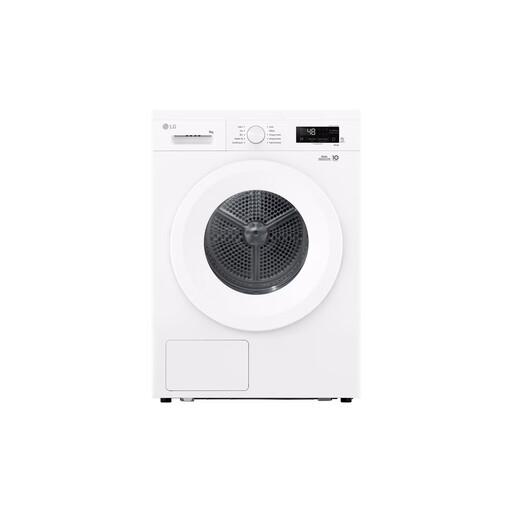
With its large 9 kg capacity and heat pump technology, it ticks all the boxes for a family looking to control their electricity bill in the long run.
It doesn't just boast an A+++ rating. It combines it with humidity sensors that adjust the cycle duration in real time. The result: no over-drying and real energy savings.
Its self-cleaning condenser is a real bonus for simplified maintenance. The Allergy Care programme, which eliminates dust mites, is a major benefit for sensitive skin.
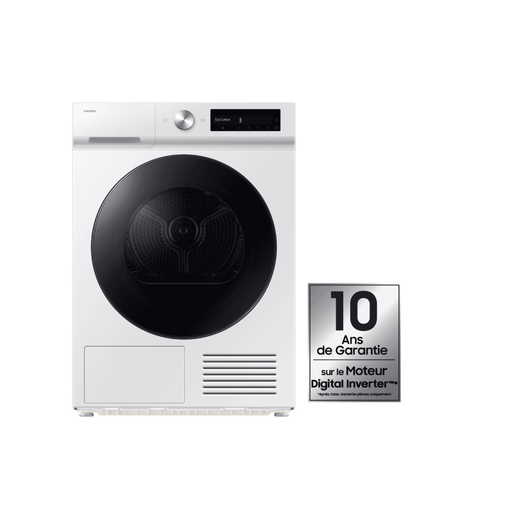
For those who want an ultra-high-performance appliance where smart features are not mere gimmicks, but genuine optimisation tools that integrate into a connected ecosystem.
Here, artificial intelligence is genuinely at the user's service. The AI Control interface and AI Energy mode analyse your habits to suggest the most relevant cycles and optimise consumption. The added value is tangible.
QuickDrive technology significantly reduces drying time. Wi-Fi connectivity, via the SmartThings ecosystem, allows for advanced control and monitoring.
Even with the best tumble dryer in the world, some fabrics can come out feeling rough or full of static. Fortunately, simple solutions exist for a flawless result.
Dryer sheets were specifically designed for this. Just toss one into the drum to make laundry softer, reduce static electricity, and leave a fresh, subtle scent. It's a small, budget-friendly extra that makes a big difference.
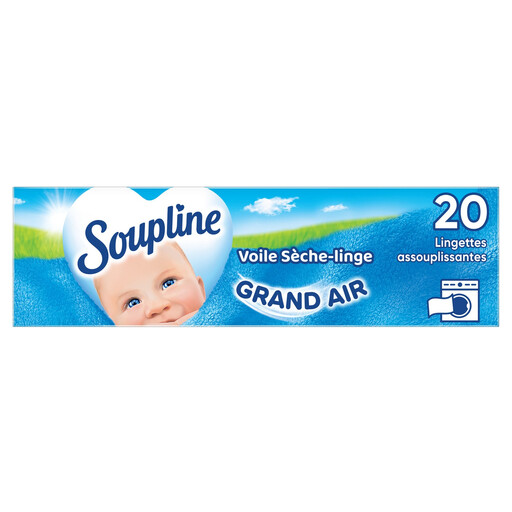
They soften laundry, neutralise static electricity, and their formula is suitable for sensitive skin. The simplest solution for laundry that's even more pleasant to the touch.
Discover our full selection of tumble dryers, all tested and approved by our experts according to the criteria in this guide.
A washer-dryer is a space-saving champion, without a doubt. However, you should keep two things in mind. First, its drying capacity is often lower than its washing capacity (e.g., 10 kg for washing but only 6 kg for drying). Second, a dedicated tumble dryer, especially a heat pump model, will always be more efficient, more economical, and gentler on fabrics. The choice therefore depends on your priority: space optimisation or drying performance.
The lifespan depends on the build quality, frequency of use, and, most importantly, maintenance. On average, a well-maintained appliance can run smoothly for 10 to 13 years. Heat pump models, although more complex, are built to last. Their low-temperature drying technology is less harsh on components than that of a classic condenser model, which contributes to their longevity.
Regular maintenance is the key to longevity and efficiency. After each cycle, clean the lint filter located in the door opening. For condenser models, empty the water container after each use (unless the appliance is connected to a drain). Finally, clean the condenser (located at the bottom of the appliance) about once a month, unless you have a model with a self-cleaning condenser. These few simple steps ensure optimal air circulation and maintain your appliance's energy efficiency over time.