People with a session coming up
You want to consider how long you have before exercising and how much you serve, rather than choosing on flavour alone. The IRBMS highlights the benefits of a light pre-competition meal that is easy to digest.


When choosing a tub of ice cream before exercise, start with how soon your session begins and how much you plan to serve. The IRBMS recommends a light pre-competition meal in a reasonable portion, low in fat. A sorbet may be a less fatty option than a very chocolatey tub, but its sugar content, allergens and how well you tolerate it matter too. Don’t assume a tub is automatically a suitable snack just before exercise.
You want to consider how long you have before exercising and how much you serve, rather than choosing on flavour alone. The IRBMS highlights the benefits of a light pre-competition meal that is easy to digest.
You’re deciding between sorbet and ice cream. The product name alone won’t tell you how much fat or sugar it contains, or which allergens are present in that particular flavour.
You want to plan for several portions and make sure you have space in the freezer. Net weight, the amount you actually serve and keeping the product chilled all factor into your choice.
If you’re thinking of having a tub of ice cream before exercise, start by considering when your session begins, then check the recipe and the portion you plan to serve.
| What to consider | What to check | Who is it for? |
|---|---|---|
| Timing and portion | Check when your session starts and decide how much to serve. The IRBMS recommends finishing your last meal several hours before a competition, depending on the circumstances and your individual tolerance. | When my session is soon, I want to avoid a portion that’s too large and could make me uncomfortable during exercise. This would be the top priority for around 42% of consumers. |
| Recipe and allergens | Compare fat, carbohydrate and sugar values per 100 g, then read the ingredients and allergen information for the flavour you’ve chosen. | If I’m looking for a lower-fat recipe or need to avoid an ingredient, the word ‘sorbet’ isn’t enough. Around 33% of consumers would make the ingredients their main consideration. |
| Size and storage | Check the net weight as well as the volume, the storage instructions and how much space you have in the freezer. | If I’m sharing the tub, I want to serve suitable portions and transport it without breaking the cold chain. This would be the top priority for around 25% of consumers. |
The DGCCRF distinguishes sorbet from ice cream and states that no fat can be added to sorbet. However, that alone tells you nothing about its sugar content: the Carte d’Or Peach sorbet lists 26 g of sugar per 100 g on its Joybuy product page.
Check the nutritional information per 100 g, as well as the ingredients and allergens for the exact product.
An indulgent tub may not fit with the light meal recommended by the IRBMS. For a specific example, Magnum lists 18 g of fat per 100 g for its Double Salted Caramel Tub.
If you’re exercising soon, consider the portion and what you usually tolerate rather than treating this dessert as an automatic pre-exercise snack.
The DGCCRF explains that the air incorporated into ice cream can affect its weight for a given volume. So the apparent size of the tub isn’t enough to compare the amount of product inside.
Check the net weight too, and serve the amount you want into a bowl.
The DGCCRF points out that a rise in temperature can increase microbiological risk. The label on the Carrefour Extra Vanilla tub says to store it at −18 °C and not to refreeze it after thawing.
Keep transport time to a minimum, use an insulated bag if you have a long journey, and follow the instructions on the packaging.
Its tubs combine ice cream with toppings such as chocolate or caramel. They’re more suited to a dessert craving than to anyone looking for a light meal just before a session.
Its Vanilla tub is an example of ice cream you can compare with sorbets and tubs with toppings, without assuming their recipes are the same.
The retailer lists ice cream tubs and sorbets separately in its range, making it easy to start with the type of recipe you’re looking for.
The brand offers a Madagascar Vanilla ice cream and a Peach sorbet in tubs, among other products. Your choice depends on the recipe you’re after, not just the format.
These five tubs of sorbet are fruity options to consider if you’d like to compare recipes before serving a portion. Whether to have one before a session also depends on the timing, the amount and how well you tolerate it.
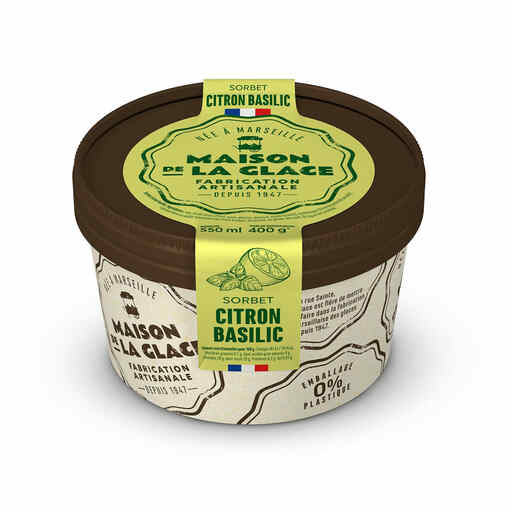 Image unavailable
A tub of sorbet to consider if you prefer to serve your own portion before a session.
380 g size. Check the label for the sugar and allergen information for this flavour, then consider how long you have before exercising.
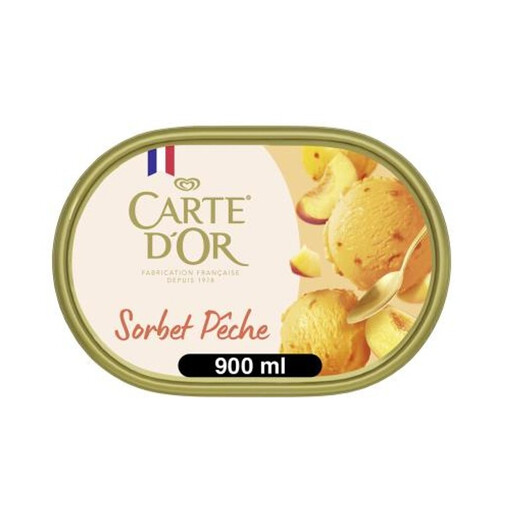 Image unavailable
This sharing size lets you decide how much to serve, rather than relying on the tub’s capacity.
The Joybuy product page lists 49% peach and, per 100 g, 0,5 g of fat, 31 g of carbohydrate and 26 g of sugar. It also notes that it may contain traces of wheat, eggs, milk and nuts; check the label if you have an allergy.
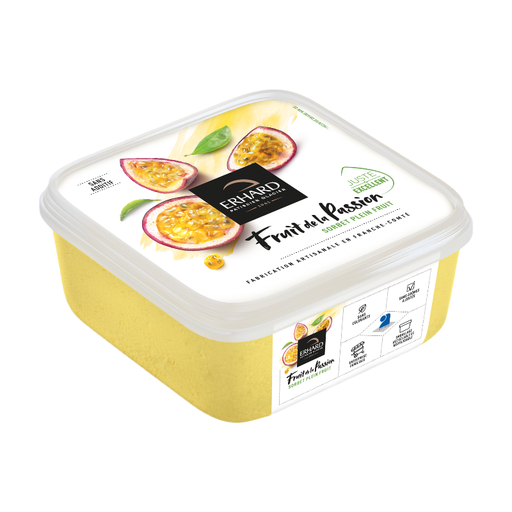 Image unavailable
If you’re looking for a passion fruit sorbet to share, this tub lets you plan how much to serve.
488 g size. Compare the nutritional information and allergens for this flavour before choosing it as a snack close to exercise.
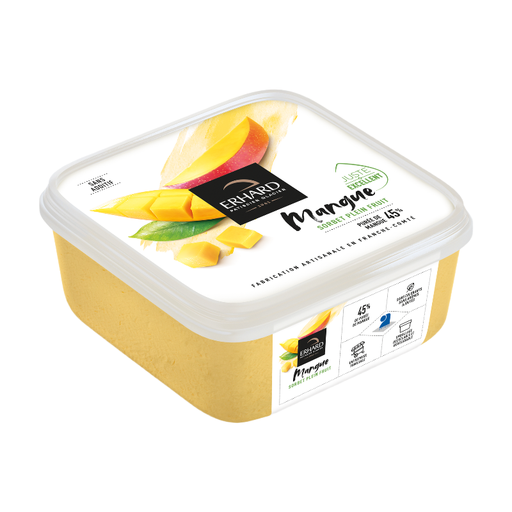 Image unavailable
This mango sorbet is another tub flavour to compare, keeping in mind the portion you’ll actually serve.
488 g size. Check the sugar content per 100 g and the allergen information: the word ‘sorbet’ alone won’t answer either question.
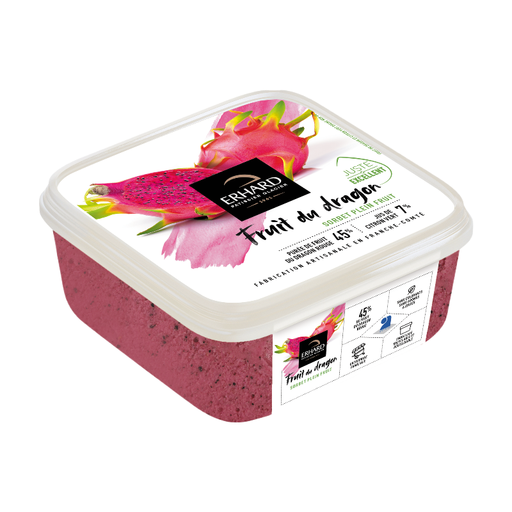 Image unavailable
This pitaya and lime flavour is another sorbet option to serve in portions.
488 g size. Before a session, check the ingredients and allergens, then choose the timing and portion to suit your tolerance.
A tub of ice cream isn’t an automatic choice for a snack just before exercise. The IRBMS recommends a light pre-competition meal in a reasonable portion, low in fat. Consider when your session starts, the portion and how well you tolerate it, and don’t try a new recipe on competition day.
The DGCCRF states that no fat can be added when making sorbet, but check the values for the specific product rather than judging its ingredients by the name alone. The Carte d’Or Peach sorbet lists 0,5 g of fat and 26 g of sugar per 100 g on its Joybuy product page.
Look for the net weight of both tubs to compare the quantity on the same basis, then think about the portions you’ll serve. According to the DGCCRF, the air incorporated into ice cream can make its weight vary even when the volume is the same.
No. Check the ingredients and any trace warnings for the specific sorbet. The Joybuy product page for Carte d’Or Peach sorbet notes that it may contain traces of milk, so its name alone isn’t enough to rule out this risk.
Follow the temperature and instructions on the packaging, keep the journey home as short as possible and put the tub back in the freezer promptly. The DGCCRF highlights the importance of the cold chain; the label on the Carrefour Extra Vanilla tub says to store it at −18 °C and not to refreeze it after it has thawed.