
Same-day & Next-day Delivery

Quality Guaranteed

Unlock Your Welcome Offers: FREE Delivery | Up to 80% OFF | Free 30-day JoyPlus trial
Download the APP
Whether you're designing a balcony, defining a patio, or creating a green oasis in the city, you need a solution that's both stylish and functional. The trough planter is the obvious choice. However, seemingly identical products can hide pitfalls that turn your project into a costly disappointment.
As the Lead Product Curator at Joybuy, my role is to help you navigate the options. Let's cut through the marketing jargon and get straight to the point: here are the pitfalls to avoid and the criteria that truly matter for making the right choice.
An attractive price tag can hide flaws that only appear after a few months. Keep an eye out for these three issues:
For a smart and long-lasting purchase, here are three non-negotiable features.
Don't just settle for the word "plastic". Demand specific details like 'UV-treated' and 'frost-resistant'. These treatments guarantee that your planter will retain its colour and structural integrity, season after season. Some products made in France carry the Origine France Garantie certification, a mark of quality and strict manufacturing standards. A quality material is the best defence against planned obsolescence.
A good rectangular flower box must be designed with the well-being of your plants in mind. Two systems stand out:
For a patio planter or a balcony plant divider, practicality is key. A planter on casters will give you essential flexibility for maintenance and layout changes. Before buying, carefully measure your space and estimate the volume needed for the plants you intend to grow. A large volume is ideal for shrubs but will be heavier and more difficult to manage.
Rather than just listing products, we've matched them with user profiles to help you find the one that truly fits your needs.
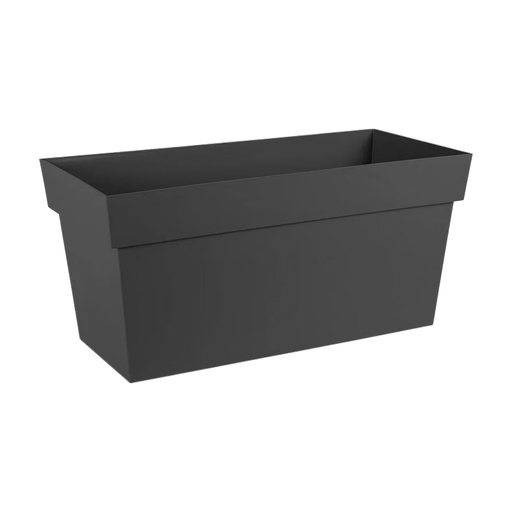
Why we chose it: Ideal for those seeking a low-maintenance, all-in-one solution for a balcony or small patio. Mobility is its key strength.
Its integrated casters solve the immobility problem. Its water reservoir simplifies watering, and its UV-treated, frost-resistant plastic prevents premature deterioration.
The casters + water reservoir combination offers maximum autonomy and flexibility for minimal maintenance.
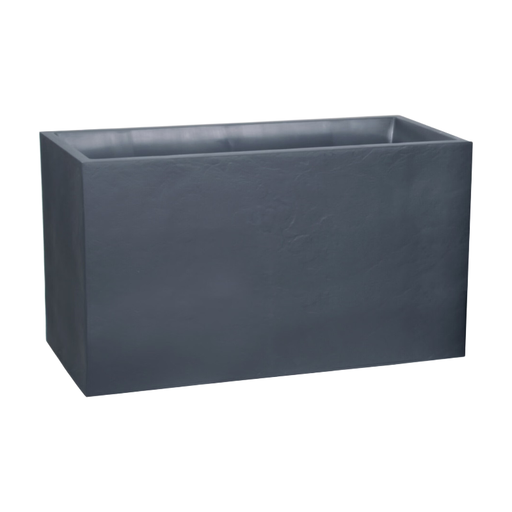
Why we chose it: For those who want to create a true plant-based divider or grow shrubs. Its generous volume and sleek design are perfect for structuring a large patio.
Its double-walled construction provides excellent thermal insulation, protecting roots from both heat and cold. Its quality material with a stone-effect finish is a guarantee of longevity.
The large 116 L volume and insulating double wall make it a robust, high-performance solution for ambitious plantings.
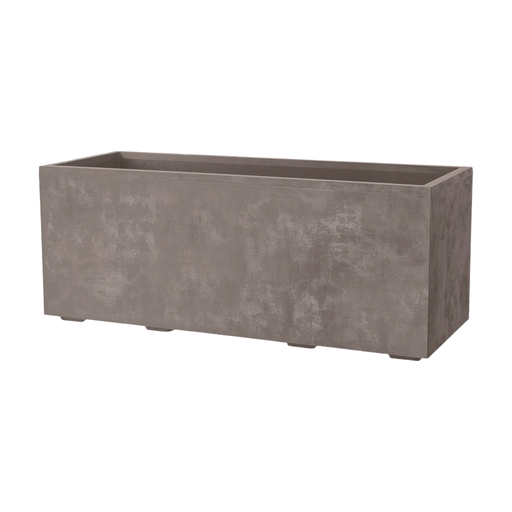
Why we chose it: For those who combine modern aesthetics with an eco-conscious mindset. This model blends a clean design with construction from recycled and recyclable materials.
Its recycled material is also designed for durability (frost and UV-resistant), avoiding the disposable plastic trap. It doesn't skimp on practical features either, with integrated casters and a water reservoir.
An eco-friendly design that sacrifices neither durability nor practical features like mobility and water management.
Explore our full selection of planters that meet our standards for quality and durability.
The lifespan depends primarily on the quality of the plastic. An entry-level model can crack within one or two winters. Conversely, a quality planter that is UV- and frost-treated can last for many years. For example, some manufacturers like EDA guarantee their products for 7 years, an excellent sign of durability.
If your planter doesn't have a reservoir, drainage is essential to prevent root rot. First, ensure it has drainage holes at the bottom. Before adding soil, place a 5 to 10 cm layer of clay pebbles or gravel. This drainage layer will help excess water escape.
Yes, most quality models are designed for both indoor and outdoor use. For indoor use, it is crucial to ensure the drainage plug (if included) is securely in place and watertight to prevent leaks onto your floor. Models with a reservoir are particularly suitable, as they reduce the risk of overflow during watering.