
Livraison le jour même ou le lendemain

Qualité garantie

Débloquez vos offres de bienvenue: Livraison GRATUITE | Jusqu'à -80 % | 30 jours d'essai gratuits à JoyPlus
Téléchargez l'application
Tropical drinks are loved for their flavours of mango, pineapple, lychee, guava and passion fruit. They work just as well for a quick break as they do at the dinner table, on a picnic or at a party. But with all those brightly coloured cartons and promises of exotic tastes, it’s not always easy to know what you’re buying.
Before you pick up a tropical fruit juice or a tropical nectar, watch out for these three common pitfalls:
The product name is your first clue. A tropical fruit juice can be made from concentrate or not. A tropical nectar contains juice and sometimes purée, with a recipe that may include water and sugar. A fruit drink, on the other hand, typically has a much lower fruit content.
Always check the ingredients list and the stated fruit content. For example, Tropico Tropical Flavour Fruit Drink contains 7.5% fruit juice from concentrate, of which 7% is orange and 0.5% pineapple. Rubicon Still Mango Deluxe, meanwhile, contains 16% mango purée. These figures give you a much clearer idea of the flavour intensity and texture.
Tropical drinks often contain the natural sugars found in fruit, plus any added sugar. To compare recipes, start by looking at the values per 100 ml, then work out how much you’ll actually be drinking.
For reference, the products featured here show roughly:
These numbers don’t tell you how good it tastes, but they do let you compare recipes objectively. If you’re buying for a child or a family, also check the serving size – a small bottle doesn’t always equal a standard portion.
The packaging should match how you plan to drink it:
Check the storage instructions, the best-before date and any advice for after opening. The phrase “no preservatives” doesn’t mean a bottle can be left open at room temperature – always follow the guidance on the packaging.
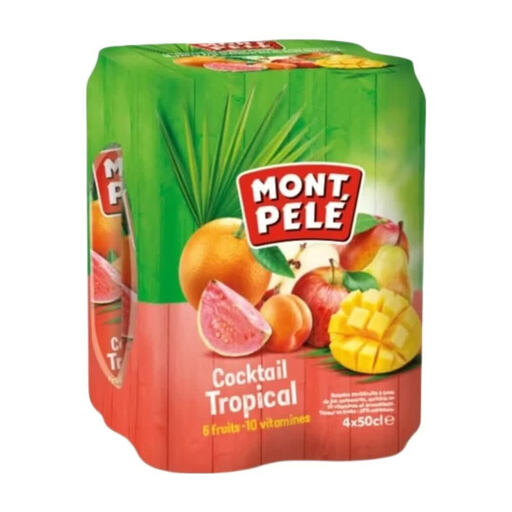
Why this suits this profile: This pack of four 50 cl bottles lets you try a tropical nectar without committing to a large volume straight away. The recipe blends several fruits, including apple, orange, mango, guava and apricot.
The smaller size means you won’t have a large bottle sitting open for too long, and it makes it easier to compare this recipe with other flavours.
Four 50 cl bottles, around 30 kcal per 100 ml according to the information provided, and a recipe that combines several fruits.
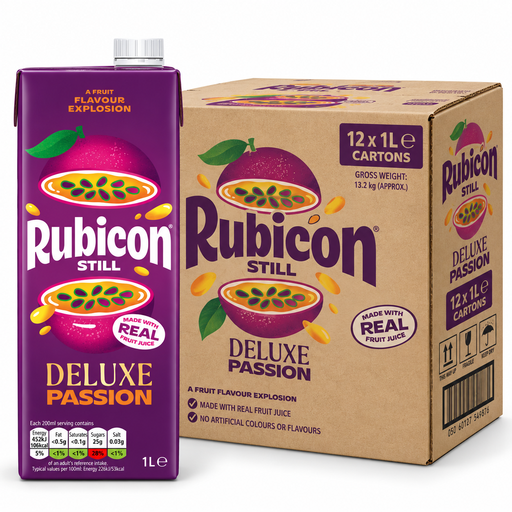
Why this suits this profile: This pack is ideal for passion fruit lovers who want a one-litre format that’s easy to serve at the table or use for making non-alcoholic drinks.
The stated 13% passion fruit juice from concentrate gives you a concrete benchmark, rather than relying solely on the fruit picture on the packaging.
Pack of 12 one-litre bottles, with a format that’s great for sharing, parties or organised storage.
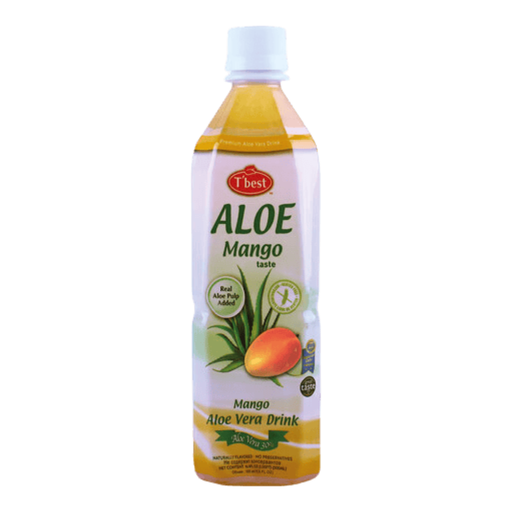
Why this suits this profile: With 20 bottles of 500 ml each, this aloe vera drink is ideal for offices, large families, shops and any place that needs to keep a stock of individual portions.
Each 500 ml bottle is a single serving, so there’s less waste compared to a large container that needs to be shared.
20 bottles of 500 ml, contains juice and aloe vera pulp according to the product sheet, and has a mango flavour.
We’ve selected a full range, updated in real time, of products that meet these demanding criteria and comply with European safety regulations.
Mango juice is mainly made from mango juice, possibly from concentrate. A tropical nectar can combine several juices or purées, with water and sugar depending on the recipe. The ingredients list and the fruit percentage will tell you exactly what’s in the drink.
It depends on the product and its packaging. A one-litre bottle usually needs to be kept in the fridge after opening and drunk within a few days, as stated on the label. An individual can, on the other hand, is best drunk straight after opening.
A multipack of drinks in 33 cl cans is ideal for single servings and quick service. For a sit-down meal, one-litre bottles can be more practical. Professionals looking for tropical drinks in bulk should compare the total volume, the price per litre, the storage space needed and the best-before date.