
Livraison le jour même ou le lendemain

Qualité garantie

Débloquez vos offres de bienvenue: Livraison GRATUITE | Jusqu'à -80 % | 30 jours d'essai gratuits à JoyPlus
Téléchargez l'application
A trellis net for climbing plants can transform a small vegetable garden into a productive vertical growing space. Tomatoes, beans, peas, cucumbers and climbing flowers can grow upwards, while the fruit stays off the ground. However, you need to choose netting that can withstand the demands of the installation and the weight of the plants.
Before buying, three common pitfalls are worth avoiding:
For a training net intended for the garden or greenhouse, polypropylene (PP) and polyethylene are commonly used materials. Polypropylene horticultural netting offers several practical benefits: it is lightweight, will not rust and is easier to handle than metal trellis netting.
Here is the information to look for in the product listing:
These details describe the material’s characteristics, but do not guarantee the same lifespan in every garden. Exposure to wind, the weight of the crops and the quality of the fixings also play a decisive role.
A vertical growing net can be installed between two posts, against a fence or on a greenhouse structure. Its height should match the plants being grown and the desired harvesting height.
Netting can be installed vertically to guide stems or horizontally for certain flowering plants. In both cases, allow extra material for fixing and avoid pulling it too tight, as this could distort the mesh.
Even strong training netting will not stay in place by itself. You will need suitable posts, stakes, ties or frames for the ground conditions and the expected load. Fixing points should be evenly distributed, particularly if the net is supporting tomato plants or mature cucumbers.
When installing:
The models below mainly differ in size and intended use. This selection is based on the dimensions and features provided in the product listings.
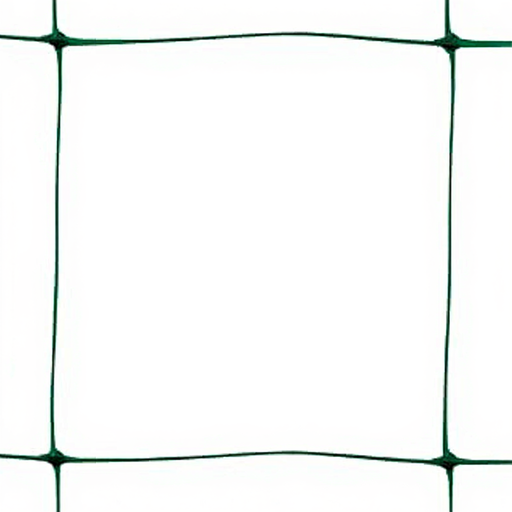
Why this suits this type of gardener : Its 1.5 × 10 m size is suitable for small gardens, planters and first vertical growing projects. With a stated weight of 0.1 kg, it is easy to install and move.
The coverage area is clearly stated, helping you avoid buying a net that is too large for a single row of plants.
A compact size, lightweight construction and a polyethylene and polypropylene material described as flexible and suitable for outdoor use.
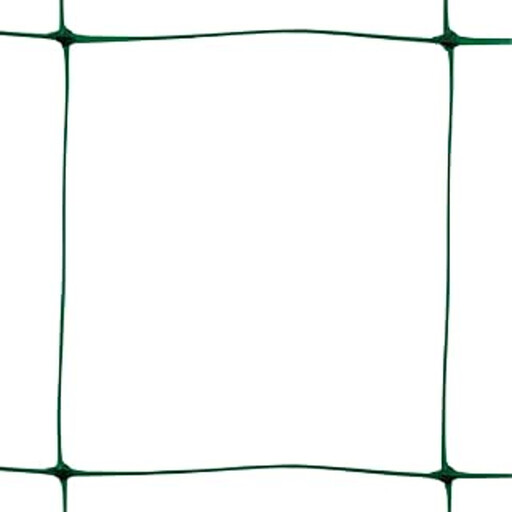
Why this suits this type of gardener : Its 2 m height provides valuable extra room for gardeners growing several climbing varieties or planning to install the net in a greenhouse.
The listing specifies both vertical and horizontal uses, helping you avoid choosing a support whose height is unsuitable for your installation.
Wide mesh, polypropylene netting and stated rust resistance for prolonged outdoor use.
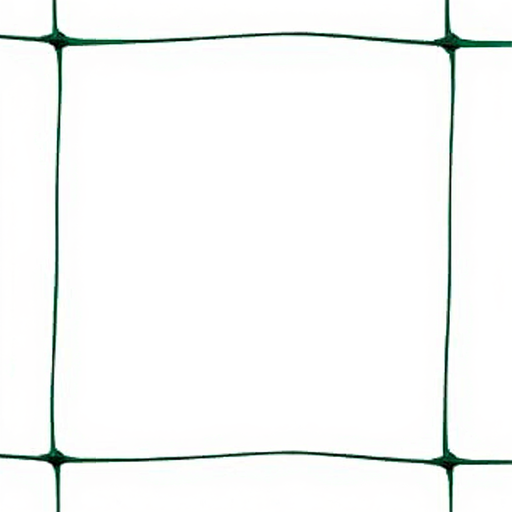
Why this suits this type of gardener : At 20 m long, it is designed for large vegetable gardens, polytunnels and gardeners installing several support lines throughout the season.
The 2 × 20 m format avoids the need for multiple small rolls when several areas need supporting.
Extensive coverage, plastic described as UV-stabilised and suitable for fixing to posts, frames or fences.
For tomatoes, a tomato net should be installed before the stems become too heavy. Beans and cucumbers can be guided gradually towards the mesh as they grow. Squashes and certain flowering plants require particularly secure fixing, as their foliage can catch a considerable amount of wind.
After harvesting, remove dry stems without pulling sharply on the mesh. Clear away any visible debris, allow the net to dry and then store it somewhere dry, away from high heat and flames. Whether it can be reused will depend on its condition, the load it has supported and the storage conditions.
We have put together a complete, real-time updated list of products that fully meet these strict selection criteria and European safety regulations.
Measure the length of the row and the available height, then add extra room for fixing. A 1.5 × 10 m format is often suitable for a small installation, while a 2 × 20 m green trellis is better suited to the needs of a large vegetable garden or greenhouse.
Use posts that are stable enough and distribute the ties along the edges and across the centre. The net should be tensioned evenly without being stretched to its limit. Check the fixings as the plants gain weight.
Some models are described as resistant to weather, mould or UV rays. However, their service life depends on exposure, wind and the load they support. To help preserve the net, remove it after the growing season where possible and store it somewhere dry.