
Livraison le jour même ou le lendemain

Qualité garantie

Débloquez vos offres de bienvenue: Livraison GRATUITE | Jusqu'à -80 % | 30 jours d'essai gratuits à JoyPlus
Téléchargez l'application
A trellis net for climbing plants allows you to grow tomatoes, cucumbers, beans, peas and flowering plants by making use of height rather than floor space. In the vegetable garden, greenhouse, on a balcony or alongside a fence, this type of support helps structure your crops and can make harvesting easier.
However, not all supports are created equal. Mesh that is too fine, unsuitable dimensions or inadequate fixings can turn a practical installation into an unstable structure. Before comparing models, here are the main pitfalls to avoid and the criteria to assess.
A training net may be sold as a roll, panel or multipack. Its height and length should be chosen according to your set-up: a vegetable patch row, greenhouse, wall, balcony or raised planter.
A 1.50 m × 10 m net will not necessarily be suitable for a 2 m-high structure. Conversely, a large roll may result in unnecessary cutting if you are only growing a few potted plants. Also check whether the stated dimensions refer to the net laid flat or stretched out.
A lightweight net can hold stems without difficulty, but foliage and fruit gradually add weight. A single-point fixing may then loosen or even tip over. For a support for tomatoes and beans, plan several anchoring points: stakes, posts, frames or suitable ties.
The sharp ends of stakes and trellises should be handled with care. An inadequately stabilised structure can also become dangerous in strong winds, particularly once the plants have grown larger.
A net’s strength depends on its material, exposure to sunlight, the tension applied and its winter storage conditions. Polypropylene and polyethylene are commonly used for vegetable garden nets, while treated steel is better suited to rigid decorative trellises.
A statement such as ‘weather-resistant’ is no substitute for precise information about the dimensions, material, reusability and storage advice. For plastic models, also avoid any contact with a flame or heat source.
For a vegetable garden or greenhouse, a net made from polypropylene (PP) or polyethylene offers a flexible, lightweight solution that is easy to cut. Plastic nets do not rust, but they must be properly tensioned and protected from repeated rubbing.
For a decorative trellis for plants, a metal panel with a treated finish provides a more rigid structure. It may be suitable for jasmine, ivy or roses, provided it is driven sufficiently deep into the ground or securely fixed to the wall.
The height should exceed the expected growing area without making the installation difficult to reach. Choose the length according to the number of plants and the spacing between supports. A sufficiently open mesh makes it easier for stems to pass through and allows you to tie the plants up gradually.
When the mesh size is not specified, examine the photos and product details carefully before buying. For young plants or a support for potted plants, individual stakes may be easier to use than a large net.
A garden net must be fixed to stakes or a frame. Tension it sufficiently, but do not overtighten it, to limit deformation. For a rigid trellis, drive the feet deep enough into the ground and check the stability of the whole structure after a few days.
Stems can be guided using soft ties, without tightening them around the plants. Regular checks help distribute the weight and prevent one section of the training net from bearing the entire load.
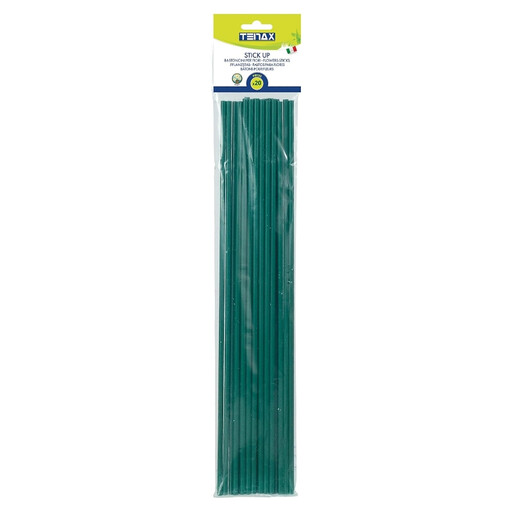
Why this choice suits this profile : This pack of 20 60 cm stakes is suitable for small plants, climbing herbs and potted crops on a balcony or patio.
The individual format prevents you from over-sizing the installation for just a few plants. Each stake must, however, be driven securely into the ground, and its pointed end should be handled with care.
Plastic construction, a height of 60 cm and a pack of 20. The stakes can be cleaned with soapy water and then stored in a dry place.
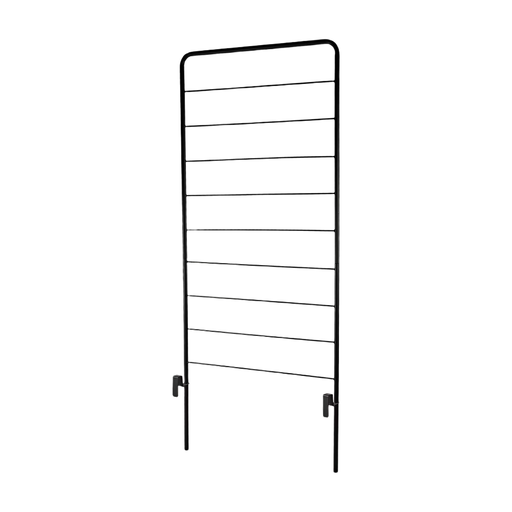
Why this choice suits this profile : This 163 cm panel combines reliable plant support with a smart finish, making it suitable for a patio, entrance or contemporary garden.
Its rigid structure avoids the problem of a net becoming slack. It must nevertheless be anchored 20 to 30 cm deep or fixed to a wall to withstand the wind.
A height of 163 cm, a graphite grey finish and a design suited to jasmine, ivy or climbing roses.
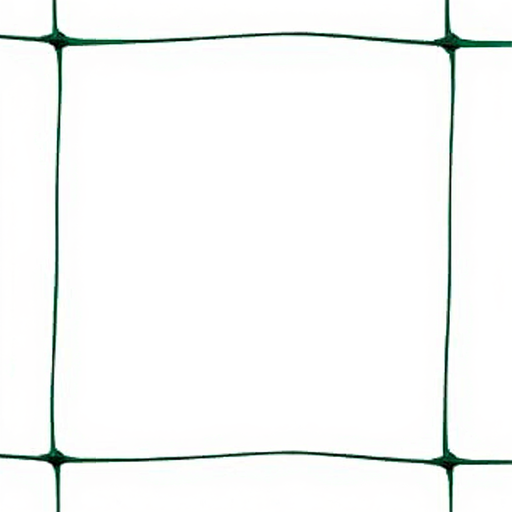
Why this choice suits this profile : The format of two 2 m × 20 m nets is suitable for large vegetable gardens, greenhouses and installations requiring extensive coverage.
The available length allows you to cover several rows. Stability nevertheless depends on sufficiently spaced posts and even tension.
A plastic net advertised as UV-stabilised, suitable for vertical or horizontal use on stakes, frames or fences.
We have put together a complete, real-time updated selection of products that meet these selection criteria and the requirements of European safety regulations.
For an installation against a wall, make sure that the surface and fixings can support the combined weight of the trellis and plants. On a balcony, take the wind and the total additional weight on the planter into account.
A training net fixed to posts is suitable for rows of beans, peas and cucumbers. For a few potted plants, an individual stake of a suitable height will often be easier to install. Tomato plants laden with fruit require a properly anchored structure and regular ties.
Its lifespan depends on the material, exposure to UV rays, tension and storage conditions. A plastic net should be kept away from flames, not overloaded and stored in a dry place after cleaning. Inspect it before each reuse to identify any deformation or tears.
Yes, when the crops grow vertically. When correctly secured, a net helps optimise the available space and keeps plants off the ground. In a greenhouse, however, check the anchoring points and leave enough room to move around and harvest.