
当日/次日达

品质保障

开启新人专享福利: 全场免邮 | 低至 2 折 | 免费试用 30 天 JoyPlus 会员
下载 Joybuy
A trellis net for climbing plants can transform a cluttered vegetable garden into a much better organised vertical space. But you need to choose the right model. Mesh that is too fragile may become distorted under the weight of tomatoes, while a poorly secured net can sag as soon as the first strong gusts arrive.
Before placing your order, avoid these three common pitfalls:
For a small vegetable garden, planter or balcony, a 1.5 × 10 m growing net can cover a vertical structure without becoming difficult to handle. Its 1.5-metre width is particularly suitable for a row of beans, cucumbers or flowering climbing plants.
Larger sizes, such as a 2 × 20 m growing net, are better suited to larger plots, multiple rows or setups spread across several frames. Before ordering, measure the area to be covered and allow some extra netting for securing it. A net that is pulled too tightly may become distorted; a correctly adjusted model will provide a more stable structure.
Polypropylene and polyethylene are very common materials for garden trellis netting. Lightweight, rustproof and generally easier to cut than metal, they are well suited to outdoor installations. However, the product details should specify the material used and the intended conditions of use.
For a garden installation, check in particular for:
A tomato support net or a support net for beans and cucumbers should be installed before the plants become too large. This will prevent you from handling stems that are already tangled together.
The fixing method depends on the support available: posts, wire mesh, wall, fence or wooden frame. On a fence or wall, trellis fixing clips supplied with screws and wall plugs can make installation much easier. For a freestanding structure, choose fasteners that are compatible with the posts and make sure you have enough of them to distribute the tension.
When installing:
The net must never be used as a load-bearing structure for a person. It supports plant growth, but is not designed to carry human weight.
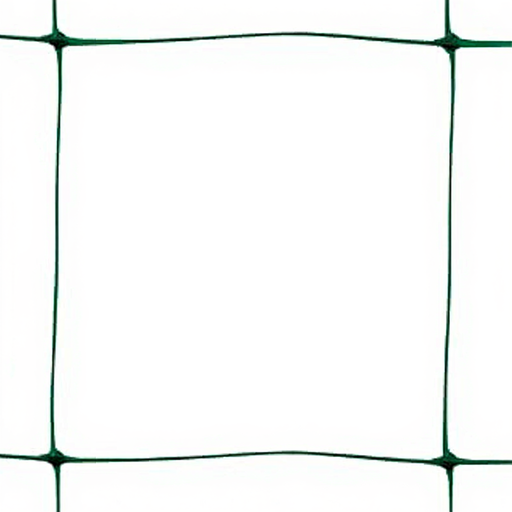
Why this option suits this profile : Its 1.5 × 10 m size and stated weight of 0.1 kg make it suitable for small plots, balconies and first vertical growing setups.
Its clearly stated dimensions help you avoid choosing netting that is too large for a small space. Installation is entirely manual, with no professional fitting required.
Rectangular green polyethylene and polypropylene mesh that is lightweight and suitable for frames, fences and a range of garden supports.
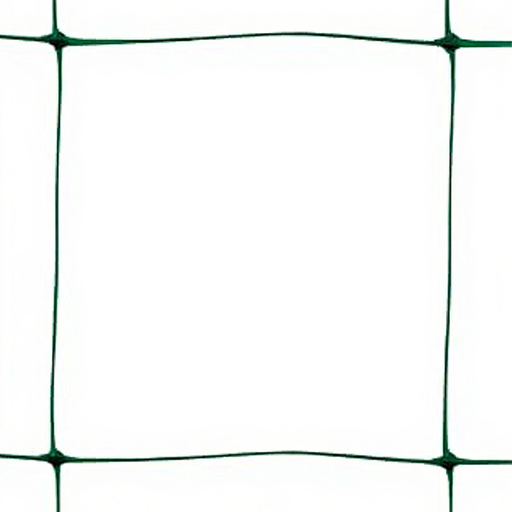
Why this option suits this profile : Measuring 2 × 20 m, this net provides a large surface for organising several rows of vegetables or creating a substantial vertical growing setup.
Its large surface means you will not need to use several small nets for the same setup. It can be installed vertically or horizontally between several supports.
A lightweight, rustproof polypropylene net with open mesh that allows air and light to circulate.
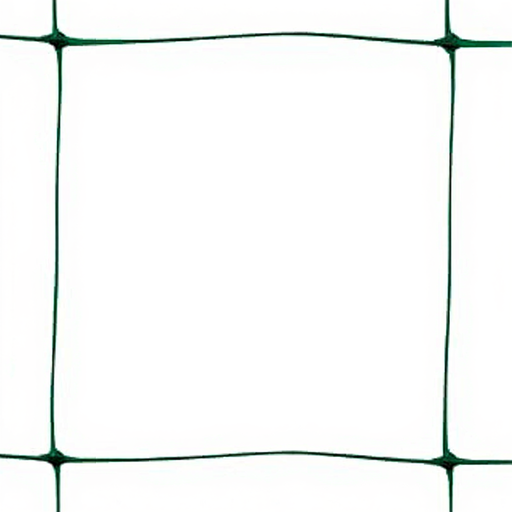
Why this option suits this profile : Its 1.7 m height is suitable for tomatoes, beans, cucumbers, courgettes, flowers and any plants that need vertical support.
The product details state that it is resistant to mould, bacteria and certain agricultural chemicals. It is still essential to follow the fixing and storage instructions.
Polypropylene mesh measuring 1.7 × 10 m, with no metal, suitable for both vegetable crops and flowering plants.
For a wall, fence or gate, the Tenax Green Wall Clips for Trellis (6pcs) kit includes six clips, six screws and six wall plugs. The clips are made from plastic and the screws from stainless steel. Their stated dimensions are 2.8 × 2.8 × 3.5 cm.
Before drilling, check the type of wall: the wall plug must be suitable for masonry, concrete, brick or a hollow support. On a balcony, also make sure you do not install the net above a walkway, where it could come loose or cause objects to fall.
We have selected a comprehensive, real-time updated range of products that meet these exacting selection criteria and European safety standards.
Start by securing the net to posts or a stable frame, then plant the tomatoes nearby. If necessary, tie the stems with soft ties, without tightening them. As they grow, guide them through the mesh rather than pulling on the net.
Its lifespan depends on the material, exposure to sunlight, the weight of the crops and the quality of the fixing. To help preserve it, remove plant debris after harvesting, avoid over-tensioning it and store it in a dry place at the end of the season. The manufacturer’s recommendations remain the best reference for its conditions of use.
A vertical net is suitable for beans, cucumbers, peas and, more generally, plants that climb along a support. A horizontal installation can support certain low-growing crops or provide support above a row. The choice depends mainly on the plant’s growth habit and the strength of the available frame.